
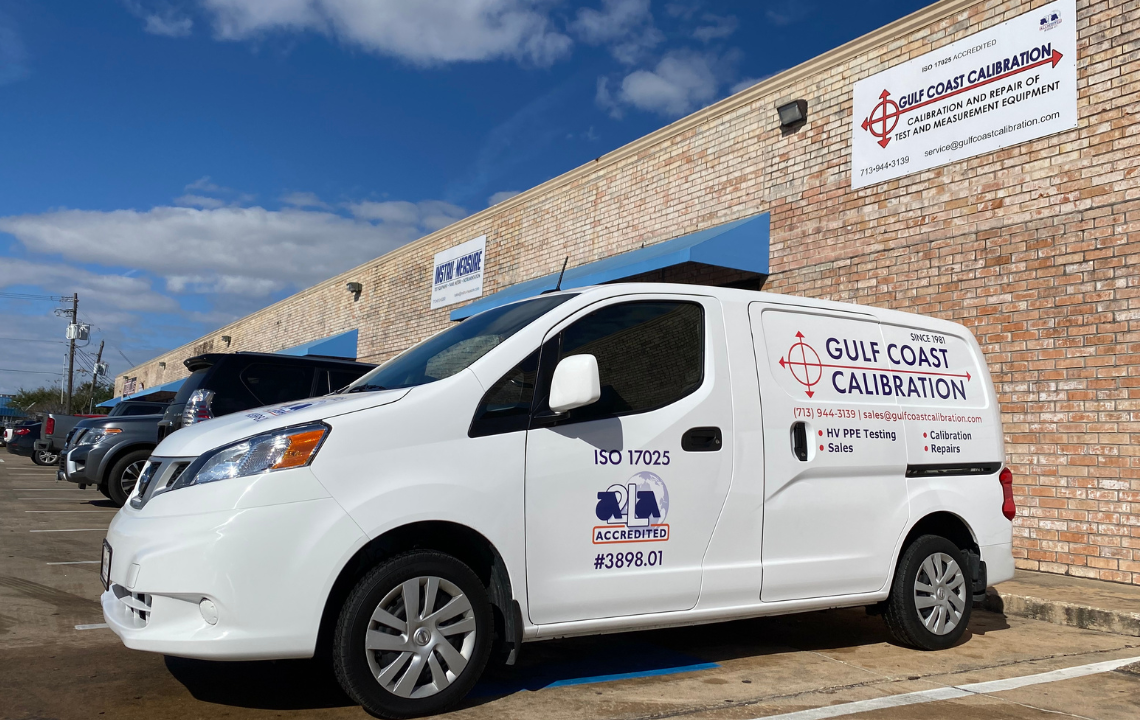
Gulf Coast Calibration’s On-Site Calibration Services

by gcc-admin-alpha

Gulf Coast Calibration’s On-Site Calibration Services

In today’s fast-paced industries, accuracy is not just a preference—it’s a necessity. Whether you’re dealing with surface plates in a machine shop, gas monitors in a hazardous environment, or torque tools in assembly lines, maintaining precise measurements is crucial. At Gulf Coast Calibration, we understand the importance of reliability and precision in your operations, which is why we offer comprehensive on-site calibration services for a wide range of tools and instruments.

Why Choose On-Site Calibration?

On-site calibration provides you with several advantages:

  1. Minimized Downtime: No need to send equipment off-site, which means your tools stay where they’re needed most—on the job.
  2. Convenience: Our team comes to you, reducing the logistics and hassle associated with shipping sensitive instruments.
  3. Immediate Results: Any issues identified during calibration can be addressed on the spot, keeping your operations running smoothly.

Let’s take a closer look at the specific services we offer:

Surface Plate Calibration

Surface plates are the foundation of accurate dimensional measurements in machining and manufacturing. Over time, these plates can develop wear spots and lose their flatness, leading to measurement inaccuracies. Our expert technicians use high-precision instruments to assess and correct any deviations in flatness, ensuring your surface plates meet the stringent standards required for precision work.

Dimensional Tools Calibration

Dimensional tools like calipers, micrometers, and gauges are essential for maintaining tight tolerances in manufacturing processes. We calibrate these tools against traceable standards, ensuring that every measurement you take is as accurate as possible. Whether it’s verifying the accuracy of a micrometer or calibrating a set of gauge blocks, our team ensures your tools meet or exceed industry standards.

Electrical Tools Calibration

Electrical tools, such as multimeters, insulation testers, and oscilloscopes, require precise calibration to ensure accurate readings. Inaccuracies in electrical measurements can lead to costly errors, especially in industries like aerospace, defense, and telecommunications. Our on-site calibration services include testing and adjusting these instruments to ensure they provide reliable and accurate data, which is crucial for maintaining safety and performance in your electrical systems.

Gas Monitors Calibration

Gas monitors are critical for ensuring safety in environments where toxic or flammable gases may be present. Regular calibration is necessary to ensure these monitors detect gas levels accurately, preventing potential health hazards or explosions. Our technicians calibrate gas monitors on-site, using specialized equipment to test and adjust sensors, ensuring they respond correctly to different gas concentrations.

Pressure Gauge Calibration

Pressure gauges are widely used in industries such as oil and gas, chemical processing, and manufacturing. Accurate pressure readings are essential for maintaining process safety and efficiency. We offer on-site calibration for a variety of pressure gauges, from simple dial gauges to complex digital pressure transducers. Our calibration process ensures that your pressure instruments provide reliable and precise measurements, helping you avoid process disruptions and maintain safety standards.

Temperature Tools Calibration

Temperature control is vital in industries ranging from food processing to pharmaceuticals. Thermocouples, RTDs, and infrared thermometers must be calibrated regularly to ensure accurate temperature readings. Our team calibrates these instruments using traceable temperature standards, ensuring that your temperature measurements are reliable and consistent, which is critical for quality control and regulatory compliance.

Torque Tools Calibration

In assembly and manufacturing, the correct application of torque is crucial to the integrity of the final product. Misapplied torque can lead to product failure or safety issues. We calibrate torque wrenches, screwdrivers, and other torque tools on-site, ensuring they deliver the correct amount of force every time. This not only guarantees product quality but also helps prevent costly rework and warranty claims.

Conclusion

At Gulf Coast Calibration, we’re committed to helping you maintain the accuracy and reliability of your tools and instruments. Our on-site calibration services are designed to minimize downtime, maximize convenience, and ensure that your equipment meets the highest standards of precision. Whether you need calibration for surface plates, dimensional tools, electrical tools, gas monitors, pressure gauges, temperature tools, or torque tools, we’ve got you covered.

Keep your operations running smoothly and your measurements precise—trust Gulf Coast Calibration for all your calibration needs. Contact us today to schedule your on-site calibration service.

Call us to discuss your calibration, test or repair needs at:
713.944.3139.

Request for Calibration Quote
Request for PPE/Glove Testing Quote
The Benefits of Torque Tool Calibration

by gcc-admin-alpha

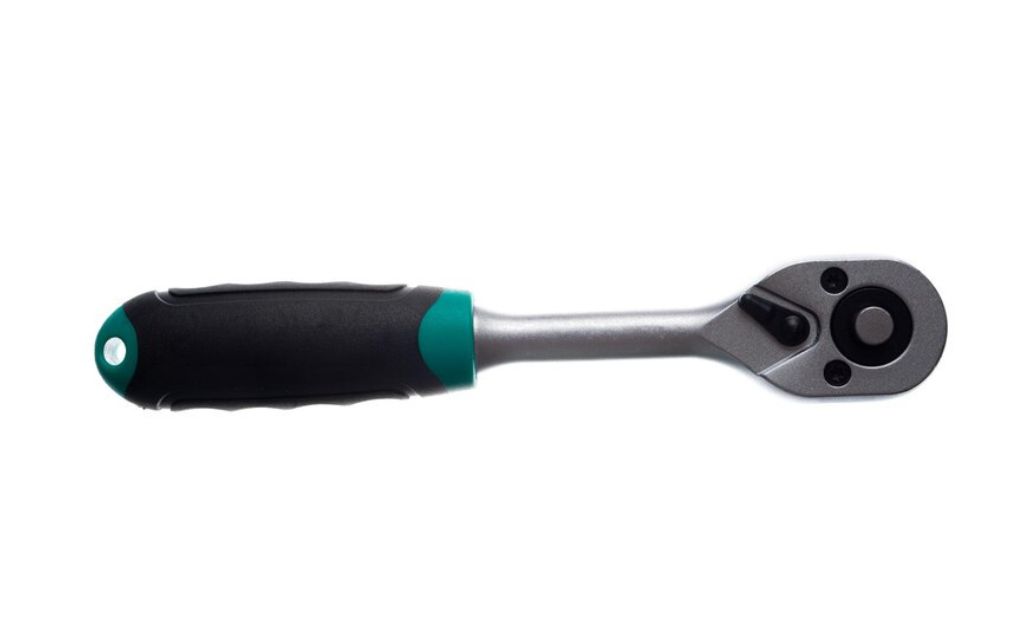
The Benefits of Torque Tool Calibration

Introduction

Calibration might not be the most glamorous topic, but it plays a crucial role in ensuring precision, safety, and quality across various industries. Let’s dive into what torque calibration is, why it matters, and which sectors benefit the most from this essential process.

What Is Torque Calibration?

Torque is the measurement of rotational force around an axis. Imagine unscrewing a bottle cap – that twisting motion you apply involves torque. Now, consider the scenario where you overtighten the cap, and it becomes stuck. In this case, you’ve applied too much torque. Torque calibration ensures that tools apply the correct amount of torque, preventing under-tightening or over-tightening.

Why Is Torque Calibration Important?

1. Consistency and Quality Assurance:

  • Torque calibration guarantees that tools consistently meet the exact torque requirements. Whether you’re assembling cars, electronics, or machinery, maintaining consistent torque ensures product quality.
  • Assembly lines producing thousands of items daily rely on well-calibrated torque tools to avoid defects and ensure uniformity.

2. Time and Cost Savings:

  • Properly calibrated torque tools save time, money, and materials. When fasteners are tightened accurately, there’s no need for rework or warranty claims due to faulty products.
  • In large-scale operations, these savings add up significantly.

3. Safety and Compliance:

  • Industries like automotive, aviation, and defense demand precise torque calibration. Legal health and safety compliance mandates accurate torque settings for fasteners and joints.
  • Imagine the consequences of an inadequately tightened aircraft component – it could be catastrophic.

Industries Benefiting from Torque Calibration

  1. Automotive Industry:

    • From engine assembly to chassis construction, torque calibration ensures vehicle components are securely fastened.
    • Accurate torque prevents issues like loose bolts or stripped threads.
  2. Aviation Industry:

    • Aircraft safety relies on properly calibrated torque tools. Fasteners on wings, landing gear, and engines must meet exact specifications.
    • Torque calibration helps prevent mid-flight failures.
  3. Engineering Sector:

    • In various engineering applications, torque calibration ensures precise assembly and maintenance.
    • Whether it’s civil engineering, structural design, or industrial machinery, well-calibrated torque tools enhance reliability.

Conclusion

Next time you tighten a bolt or fasten a critical component, remember the unsung hero – torque calibration. It quietly ensures that our world keeps turning, one precisely calibrated rotation at a time.

Request for Calibration Quote
Request for PPE/Glove Testing Quote
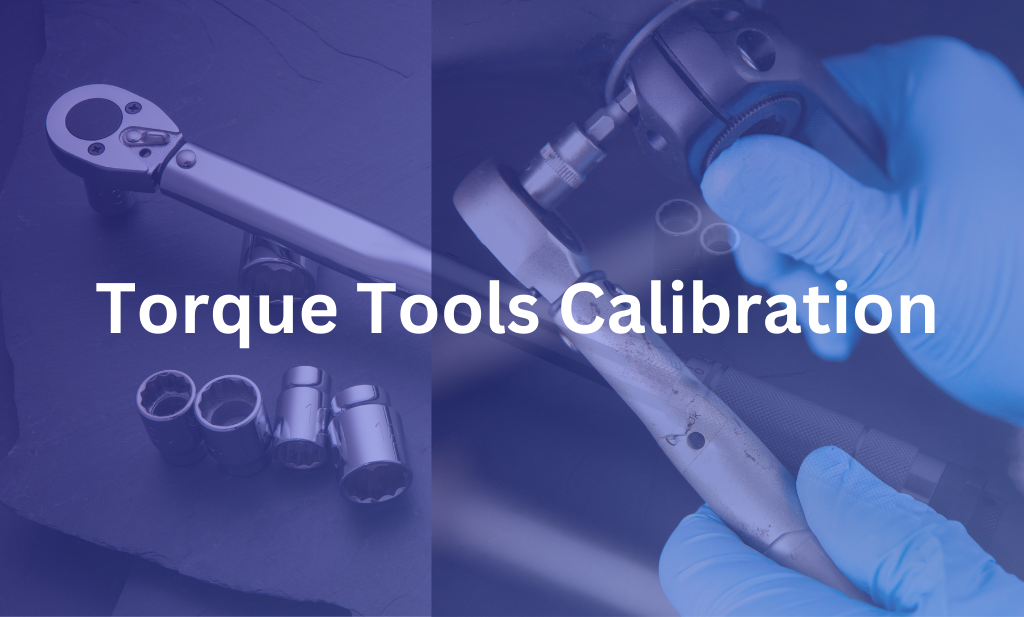
Torque Tools Calibration: Precision for Mechanical Applications

by gcc-admin-alpha

In the field of mechanical engineering, precision and accuracy are of utmost importance. When it comes to torque tools, ensuring their calibration is vital to maintain the integrity and reliability of mechanical applications. Torque tools are widely used in industries such as automotive, aerospace, manufacturing, and construction, where the proper tightening of bolts, screws, and fasteners is crucial. This article explores the significance of torque tools calibration and its impact on mechanical applications.

1. Introduction

In mechanical applications, torque refers to the rotational force applied to an object. Torque tools, such as torque wrenches and screwdrivers, are designed to measure and apply precise amounts of torque. To ensure their accuracy, torque tools must undergo regular calibration.

2. What is Torque?

Torque is a measure of the force applied to rotate an object around an axis. It is usually represented in Newton meters (Nm) or foot-pounds (ft-lbs). Torque plays a critical role in various mechanical applications, including assembling machinery, tightening bolts, and maintaining equipment integrity.

3. The Importance of Torque Tools Calibration

Torque tools calibration is essential to guarantee the accuracy and reliability of torque measurements. When torque tools are not calibrated correctly, they can provide inaccurate readings, leading to under or over-tightened fasteners. This can result in mechanical failures, compromised safety, and additional maintenance costs.

4. Types of Torque Tools

There are several types of torque tools available, each with its own characteristics and applications. Some common types of torque tools include:

4.1 Click-Type Torque Wrenches

Click-type torque wrenches are widely used in automotive and industrial applications. They have a click mechanism that produces an audible sound when the desired torque is reached, alerting the user to stop applying force.

4.2 Electronic Torque Wrenches

Electronic torque wrenches are equipped with sensors and digital displays, providing precise and real-time torque readings. They are commonly used in high-precision industries where accuracy is crucial.

4.3 Dial Torque Wrenches

Dial torque wrenches have a dial gauge that displays torque readings. They are known for their durability and simplicity, making them suitable for various mechanical tasks.

5. Calibration Process for Torque Tools

To ensure the accuracy of torque tools, a systematic calibration process must be followed. This process involves several key steps:

5.1 Standards and Regulations

Torque tools calibration should adhere to international standards and regulations, such as ISO 6789:2017. These standards provide guidelines for the calibration process, ensuring uniformity and accuracy across different industries.

5.2 Calibration Equipment

Calibration requires specialized equipment, such as torque testers and calibration machines. These tools are used to verify the accuracy of torque tools by applying known forces and comparing the results.

5.3 Calibration Procedure

The calibration procedure involves applying a range of known forces to the torque tool and comparing the readings to the reference standards. Adjustments are made if necessary to align the tool with the desired accuracy.

6. Benefits of Torque Tools Calibration

Calibrating torque tools brings several benefits to mechanical applications:

  • Enhanced Accuracy: Calibrated torque tools provide precise torque readings, ensuring optimal tightening of fasteners.
  • Improved Safety: Accurate torque application reduces the risk of fastener failure, preventing accidents and injuries.
  • Compliance with Standards: Calibrated torque tools meet industry standards and regulatory requirements.
  • Cost Savings: Properly calibrated torque tools reduce the need for rework, maintenance, and replacement of damaged equipment.

7. Common Challenges in Torque Tools Calibration

Despite the importance of torque tools calibration, there are challenges that technicians may encounter:

  • Environmental Conditions: Extreme temperatures, humidity, and dust can affect the performance and accuracy of torque tools.
  • Wear and Tear: Over time, torque tools can experience wear and require adjustments or replacement parts.
  • Operator Error: Improper handling, misuse, or incorrect storage can impact the accuracy of torque tools.

8. Best Practices for Torque Tools Calibration

To ensure the effectiveness of torque tools calibration, the following best practices should be observed:

8.1 Regular Calibration Schedule

Establish a routine calibration schedule based on the frequency of tool use, manufacturer recommendations, and industry standards. Regular calibration ensures ongoing accuracy and reliability.

8.2 Qualified Calibration Service Providers

Choose reputable calibration service providers that have the expertise, experience, and appropriate calibration equipment to calibrate torque tools accurately.

8.3 Proper Handling and Storage

Properly handle and store torque tools to minimize wear and maintain accuracy. Avoid dropping or subjecting them to excessive force or impact. Store them in a clean and dry environment.

Conclusion

Torque tools calibration is crucial for maintaining precision in mechanical applications. By ensuring the accuracy of torque measurements, calibrated tools enhance safety, compliance, and efficiency. Regular calibration, adherence to standards, and proper handling are key factors in achieving reliable torque measurements.

Call us to discuss your calibration, test or repair needs at:
713.944.3139.

Request for Calibration Quote
Request for PPE/Glove Testing Quote