
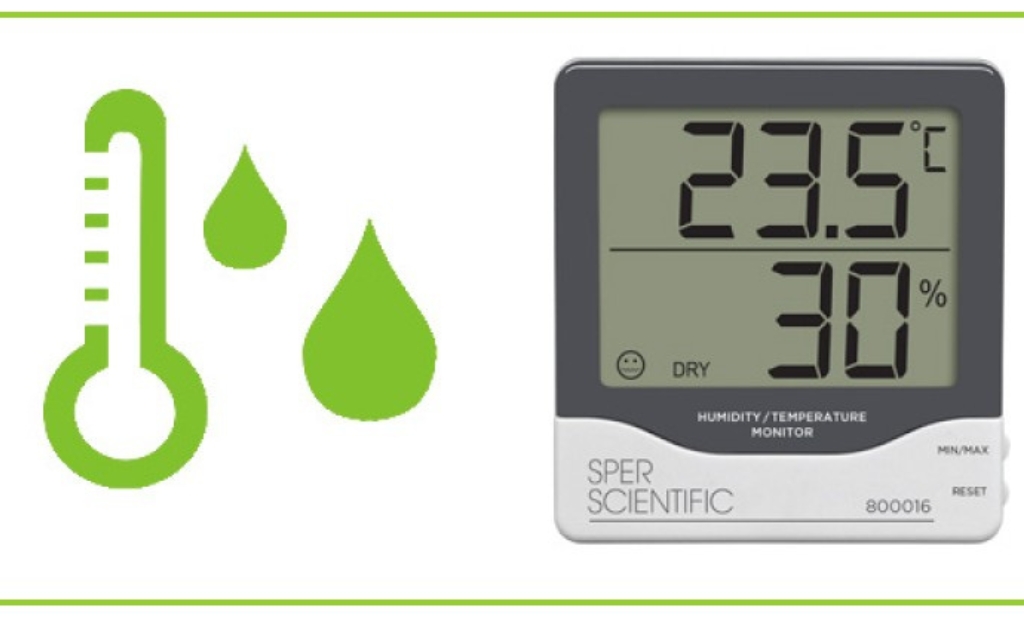
Effect of Temperature and Relative Humidity on Lab Equipments

by gcc-admin-alpha

Temperature and relative humidity are important environmental factors in a laboratory. These variables can have a significant impact on the performance and accuracy of laboratory equipment, resulting in damage, degradation, and malfunctions that can affect test results reproducibility. In this blog post, we’ll look at how temperature and relative humidity affect lab equipment and how to keep optimal conditions for scientific research.

Temperature

Temperature has a variety of effects on the performance and accuracy of laboratory equipment. High temperatures can damage components, increase the risk of overheating, and degrade sample quality. Low temperatures, on the other hand, can cause materials to become brittle, increase viscosity, and impair the performance of electronic components.

The following are some examples of temperature effects on laboratory equipment:

  • Thermal expansion and contraction cause component misalignment or damage.
  • Material property changes that affect measurement accuracy
  • Overheating is more likely, resulting in equipment failure or damage.

It is critical to have a controlled HVAC system that provides a stable temperature range within the laboratory in order to maintain optimal temperature conditions for lab equipment. Temperature monitoring should be done on a regular basis to avoid fluctuations that can affect the accuracy of test results. Additionally, equipment should be calibrated on a regular basis to ensure that it is operating within its optimal temperature range and to prevent damage.

Relative Humidity

Another critical factor influencing lab equipment performance is relative humidity. High humidity can cause corrosion, rust, and equipment component damage. It can also cause moisture buildup, which can lead to the growth of mold and bacteria, lowering the accuracy of test results. Electrostatic discharge can be caused by low humidity, which can damage sensitive electronic equipment.

Some examples of the effects of relative humidity on lab equipment include:

  • Metal component corrosion and rust, affecting performance and accuracy
  • Mold and bacteria growth, affecting the accuracy and reliability of test results
  • Electrostatic discharge can cause sensitive electronic components to fail.

It is critical to have a controlled HVAC system that provides stable humidity levels within the laboratory to maintain optimal relative humidity conditions for lab equipment. Humidity levels should be monitored on a regular basis to avoid fluctuations that can affect the accuracy of test results. Furthermore, equipment should be stored in a dry environment and inspected on a regular basis for signs of corrosion or damage.

Conclusion

Temperature and relative humidity are critical factors influencing lab equipment performance and accuracy. Changes in these variables can result in damage, degradation, and malfunctions, all of which can have an impact on the reproducibility of test results. It is critical to have a controlled HVAC system with regular temperature and humidity monitoring to ensure optimal conditions for scientific research. Regular equipment maintenance and calibration can also help to prevent damage and maintain accuracy. Labs can ensure the quality and reliability of their research results by taking temperature and relative humidity into account.

Call us to discuss your calibration, test or repair needs at:
713.944.3139.

Request for Calibration Quote

Request for PPE/Glove Testing Quote
High Voltage PPE Dielectric Testing

by gcc-admin-alpha

Ensuring Safety and Compliance with High Voltage PPE Dielectric Testing


Introduction

When working in high-voltage environments, safety is non-negotiable. Personal Protective Equipment (PPE) designed for high voltage must perform under the most challenging conditions. At Gulf Coast Calibration, we understand the critical importance of high voltage PPE dielectric testing. Our service ensures that your protective gear not only meets industry standards but also provides the necessary protection to keep workers safe on the job.

Why High Voltage PPE Dielectric Testing Matters

High voltage PPE, including gloves, sleeves, blankets, and other insulating equipment, serves as the first line of defense against electrical hazards. Over time, even the best equipment can degrade, develop defects, or suffer from wear and tear. These issues can compromise the insulating properties of the gear, putting workers at risk of electric shock or other serious injuries.

Regular dielectric testing is essential to verify the integrity of your PPE. This testing checks for any weaknesses in the insulation that could lead to electrical failure. By conducting these tests, you can ensure that your PPE is in optimal condition, providing reliable protection against high-voltage hazards.

What is Dielectric Testing?

Dielectric testing is a method used to assess the electrical insulation strength of PPE. This involves applying a high voltage to the equipment and monitoring its performance under controlled conditions. The test measures the equipment’s ability to withstand the voltage without breaking down or allowing current to pass through.

During the test, PPE is exposed to voltages significantly higher than what it would encounter in everyday use. This rigorous testing process helps identify any potential points of failure, ensuring that the equipment will perform as expected in real-world scenarios.

Our High Voltage PPE Dielectric Testing Process

At Gulf Coast Calibration, we follow a meticulous process to ensure the highest level of accuracy and reliability in our dielectric testing services:

  1. Inspection and Preparation: Before testing, we conduct a thorough visual inspection of the PPE to identify any visible signs of damage, wear, or contamination. Any issues found during this inspection are documented and addressed before proceeding with the dielectric test.

  2. Dielectric Testing: Using state-of-the-art testing equipment, we apply high voltage to the PPE according to industry standards. The equipment is carefully monitored throughout the test to detect any signs of electrical breakdown or failure.

  3. Evaluation: After testing, we evaluate the results to determine whether the PPE meets the required safety standards. Equipment that passes the test is certified as safe for use, while any equipment that fails is recommended for repair or replacement.

  4. Documentation: We provide detailed documentation of the testing process, including the test results, inspection findings, and any recommendations for maintenance or replacement. This documentation is essential for compliance with safety regulations and provides a record of the PPE’s performance.

Why Choose Gulf Coast Calibration?

At Gulf Coast Calibration, we pride ourselves on delivering reliable, accurate, and timely high voltage PPE dielectric testing services. Here’s why clients trust us:

  • Expertise: Our team consists of highly trained technicians with extensive experience in dielectric testing and PPE safety standards.

  • Advanced Equipment: We utilize cutting-edge testing equipment that ensures precise and reliable results.

  • Compliance: We stay up-to-date with the latest industry standards and regulations, ensuring that your PPE meets all necessary safety requirements.

  • Customer Focus: We understand the critical nature of PPE in high-voltage environments, and we are committed to providing exceptional service that supports your safety goals.

Conclusion

Safety in high-voltage work environments starts with reliable PPE, and ensuring that reliability begins with comprehensive dielectric testing. At Gulf Coast Calibration, we’re dedicated to helping you protect your workforce by offering top-tier high voltage PPE dielectric testing services. Trust us to keep your equipment—and your team—safe.

Request for Calibration Quote
Request for PPE/Glove Testing Quote
Pressure Gauge Calibration

by gcc-admin-alpha

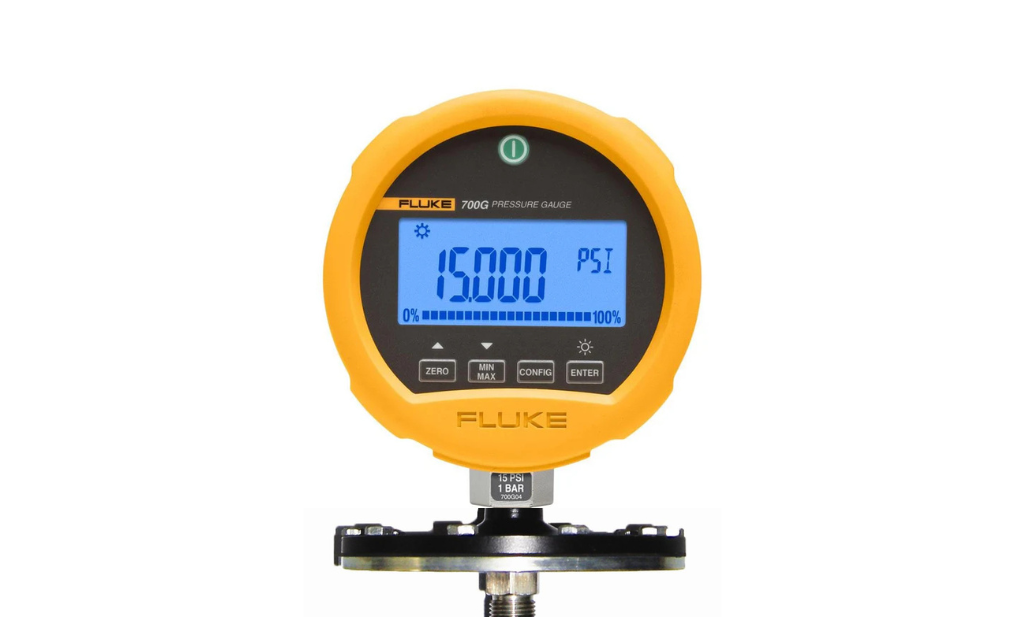
Pressure Gauge Calibration

At GulfCoastCalibration, we understand the critical role accurate pressure measurements play in your operations. Our expert team specializes in comprehensive pressure gauge calibration solutions, ensuring precision, reliability, and compliance with industry standards.

Our Pressure Gauge Calibration Process:

  1. Consultation and Assessment:

    • We begin by understanding your specific requirements, application, and industry standards.
    • Our team assesses the pressure gauge type, media compatibility, and environmental conditions.
  2. State-of-the-Art Calibration Lab:

    • Our ISO/IEC 17025 accredited calibration lab features cutting-edge equipment.
    • We maintain strict temperature control, minimizing uncertainties during calibration.
  3. Traceable Calibration:

    • We use NIST-traceable reference standards for calibration.
    • Our calibration process covers gauge accuracy, hysteresis, repeatability, and resolution.
  4. Multiple Calibration Points:

    • We calibrate at various pressure points within the gauge’s range.
    • This ensures accurate readings across the entire operating spectrum.
  5. Adjustment and Certification:

    • If needed, we adjust the gauge to minimize errors.
    • You receive a detailed calibration certificate with all relevant data.
  6. On-Site Services:

    • We offer on-site calibration for convenience.
    • Our technicians ensure minimal downtime during the process.

Why Choose GulfCoastCalibration?

  • Expertise: Our skilled technicians have years of experience in pressure gauge calibration.
  • Compliance: We adhere to ISO standards and industry-specific guidelines.
  • Reliability: Count on us for precise, dependable results.
  • Customer-Centric Approach: Your satisfaction is our priority.

Contact GulfCoastCalibration today for accurate pressure gauge calibration. Let’s elevate your measurement confidence!

Request for Calibration Quote
Request for PPE/Glove Testing Quote
Request for Calibration Quote
Request for PPE/Glove Testing Quote

Temperature Sensor Calibration Process and Best Practices

by gcc-admin-alpha

Temperature Sensor Calibration Process and Best Practices

Temperature measurement is critical across various industries, including manufacturing, energy, healthcare, and research. Accurate and reliable temperature measurements are essential for operational efficiency, product quality, and personnel and equipment safety. Calibration of temperature sensors plays a pivotal role in achieving precise measurements.

Calibration Process:

  1. Reference Standard Selection:
    • Choose a reference standard with higher accuracy than the sensor being calibrated.
    • Options include calibrated thermometers, temperature baths, or temperature-controlled chambers.
    • The reference standard should have a known and stable temperature value.
  2. Pre-Calibration Preparation:
    • Ensure both the temperature sensor and reference standard reach thermal equilibrium.
    • Minimize errors due to temperature gradients.
  3. Data Collection:
    • Subject both devices to a series of temperature points across the desired range.
    • Record output readings simultaneously.
  4. Comparison and Analysis:
    • Compare the sensor’s output readings with the reference standard.
    • Calculate measurement errors at each temperature point.
    • Use statistical techniques (e.g., linear regression) to determine correction factors or calibration curves.
  5. Adjustment and Compensation:
    • Apply correction factors to compensate for observed errors.
    • Implement adjustments via software or hardware modifications.

Best Practices:

  1. Regular Calibration Schedule:
    • Calibrate temperature sensors at recommended intervals.
    • Consider stability, criticality, industry regulations, and manufacturer guidelines1.
  2. Traceable Calibration Standards:
    • Use traceable reference standards to ensure accuracy and traceability2.
  3. Environmental Conditions:
    • Maintain proper environmental conditions during calibration.
    • Avoid extreme temperatures, humidity, and other factors that could affect accuracy.

Remember, adhering to these best practices will enhance measurement accuracy and reliability. Feel free to reach out if you need further assistance!

Request for Calibration Quote
Request for PPE/Glove Testing Quote