

How Downtime from Poor Calibration Affects Your Bottom Line

by gcc-admin-alpha

In today’s competitive manufacturing and laboratory environments, downtime is one of the most expensive challenges organizations face. Every minute of halted production or testing means lost revenue, wasted labor, and delayed delivery schedules. While many factors contribute to downtime, one that is often overlooked is poor or neglected equipment calibration.

For engineers, quality managers, and laboratory technicians, understanding how calibration directly impacts productivity and profitability is essential.

The Hidden Cost of Poor Calibration

When instruments drift out of tolerance, the immediate risk is inaccurate measurements. However, the broader consequence is operational disruption. Poor calibration can lead to:

  • Product Recalls and Rework – Out-of-spec measurements often mean entire batches must be re-tested or scrapped.

  • Safety Incidents – Equipment failures caused by inaccurate readings can halt operations while safety investigations are conducted.

  • Unplanned Maintenance – Miscalibrated tools stress systems and equipment, leading to breakdowns and costly emergency repairs.

  • Regulatory Non-Compliance – Failed audits due to missing or invalid calibration records can shut down production until issues are resolved.

Each of these scenarios results in downtime that eats into your bottom line.

Downtime in Dollars: The Real Impact

The true cost of downtime extends far beyond lost production time. Consider the ripple effects:

  • Direct Financial Losses – Manufacturing downtime can cost thousands to hundreds of thousands of dollars per hour, depending on industry.

  • Labor Inefficiency – Technicians and operators sit idle or repeat work, raising labor costs without producing value.

  • Customer Dissatisfaction – Delayed orders damage trust and can lead to lost contracts.

  • Increased Liability – Safety risks and compliance violations expose companies to penalties or legal costs.

By neglecting calibration, companies trade short-term cost savings for long-term financial losses.

How Calibration Minimizes Downtime

A proactive calibration program is one of the most effective strategies to reduce downtime and safeguard profitability. Partnering with an accredited calibration provider ensures:

1. Accurate Measurements

Minimizes rework, rejects, and costly quality escapes.

2. Preventive Maintenance

Detects equipment drift early, preventing failures that could halt production.

3. Compliance Assurance

Ensures audit readiness with traceable calibration certificates that satisfy ISO/IEC 17025 and regulatory standards.

4. Operational Confidence

When technicians trust their instruments, workflow efficiency improves and production stays on schedule.

FAQs: Calibration and Downtime

Q: How does calibration directly reduce downtime?
By ensuring instruments stay within tolerance, calibration prevents errors that lead to rework, equipment damage, or failed audits—all of which cause costly stoppages.

Q: Isn’t calibration more expensive than downtime?
No. Calibration is a fraction of the cost compared to lost production hours, rework, or fines from compliance failures.

Q: Can calibration schedules be optimized to reduce downtime further?
Yes. A data-driven approach, based on equipment history and usage, can balance calibration frequency with operational efficiency.

Conclusion: Protect Your Bottom Line with Calibration

Downtime caused by poor calibration is one of the most preventable drains on profitability. By maintaining accurate, traceable, and compliant equipment, businesses protect not only product quality and workplace safety but also their financial health.

Investing in calibration today means fewer disruptions, smoother operations, and a stronger bottom line tomorrow.

Call us to discuss your calibration, test or repair needs at:
713.944.3139.

Request for Calibration Quote
Request for PPE/Glove Testing Quote
How Often Should Equipment Be Calibrated?

by gcc-admin-alpha

How Often Should Equipment Be Calibrated?

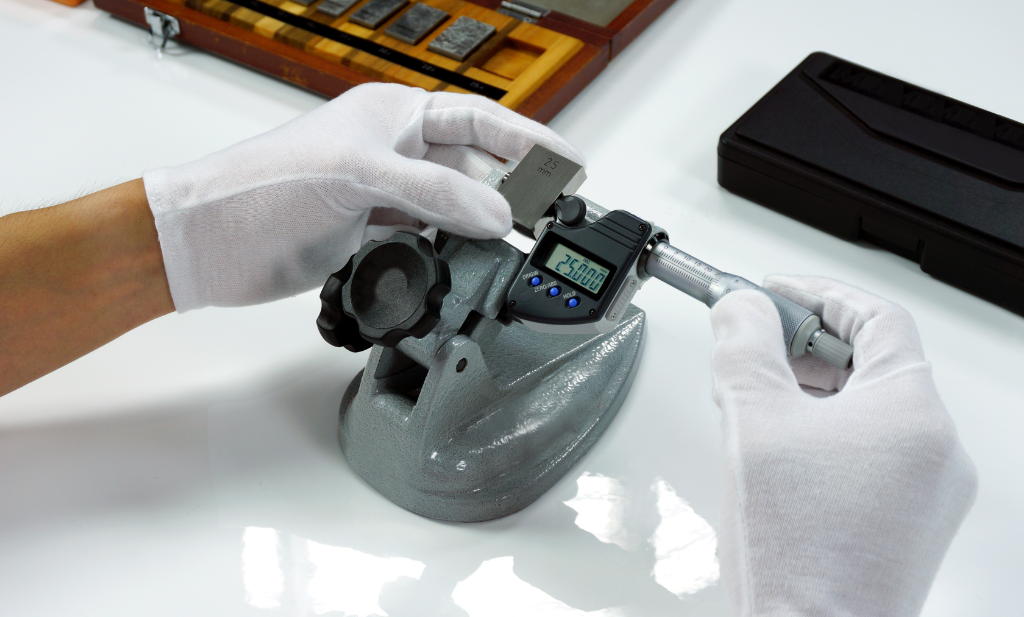
In industries where precision and safety are critical, calibration is not optional—it’s essential. Engineers, quality managers, and laboratory technicians know that equipment accuracy directly impacts both product quality and workplace safety. But one of the most common questions is: How often should equipment be calibrated?

The answer is not one-size-fits-all. Calibration intervals depend on several factors, including equipment type, usage, environment, and compliance requirements. In this article, we’ll break down the key considerations to help you set the right calibration schedule.

At Gulf Coast Calibration, we specialize in precise calibration services, helping businesses maintain the accuracy of their equipment and ensure optimal performance. In this post, we’ll dive into the importance of calibrating your pressure gauge and the value it brings to your operations.

Why Calibration Frequency Matters

Calibration is the process of comparing a measurement instrument against a traceable reference standard to verify accuracy. Over time, instruments naturally drift out of tolerance. Without regular calibration:

  • Safety risks increase due to inaccurate readings.

  • Products may fail quality standards.

  • Compliance with ISO/IEC 17025 and regulatory requirements may be compromised.

  • Costs rise from rework, downtime, or defective batches.

A well-defined calibration schedule ensures equipment reliability, workplace safety, and regulatory compliance.

Factors That Determine Calibration Frequency

1. Manufacturer Recommendations

Most equipment comes with a recommended calibration interval. For many instruments, this is annually, but some sensitive devices may require more frequent checks.

2. Industry Standards & Compliance

Certain industries are bound by strict regulations:

  • Pharmaceuticals and healthcare – often require 6-month calibration cycles.

  • Aerospace and automotive – adhere to ISO/IEC 17025 or IATF 16949 requirements, typically annual or semi-annual.

  • Food and beverage – may follow HACCP guidelines for regular verification.

3. Equipment Usage

  • High-frequency usage → more wear and faster drift.

  • Critical safety applications → require shorter intervals.

  • Backup or rarely used equipment → may extend calibration cycles, but still need periodic verification.

4. Environmental Conditions

Harsh environments (temperature extremes, humidity, vibration, or chemical exposure) accelerate instrument drift. Equipment in these conditions should be calibrated more frequently.

5. Past Performance History

Tracking calibration data helps identify instruments that consistently hold accuracy longer. A data-driven approach allows for optimized calibration intervals.

Typical Calibration Intervals

While schedules vary, here are common intervals used across industries:

  • Annually – Standard for most general-purpose instruments.

  • Semi-Annually – Common in regulated industries or for high-use equipment.

  • Quarterly or Monthly – For critical safety tools or instruments exposed to harsh environments.

  • Condition-Based – Using historical data and monitoring drift trends.

FAQs: Calibration Scheduling

Q: Can I extend calibration intervals if my equipment always passes?
With documented evidence from calibration history, you may justify extended intervals. However, regulatory bodies may still require fixed schedules.

Q: What happens if calibration is overdue?
Instruments that miss calibration cannot be trusted for compliance or safety. They should be removed from service until recalibrated.

Q: Can in-house verification replace professional calibration?
Basic checks can help between calibration cycles, but for traceable, ISO/IEC 17025-compliant calibration, accredited labs are essential.

Conclusion: The Right Interval Protects Safety and Quality

There is no universal rule for how often equipment should be calibrated, but annual calibration remains a baseline standard across most industries. By considering usage, environment, industry requirements, and historical data, organizations can set optimized intervals that maintain accuracy, protect safety, and ensure compliance.

Call us to discuss your calibration, test or repair needs at:
713.944.3139.

Request for Calibration Quote
Request for PPE/Glove Testing Quote
How Calibration Services Improve Workplace Safety

by gcc-admin-alpha

How Calibration Services Improve Safety in the Workplace

In modern manufacturing facilities and laboratories, safety and precision go hand in hand. Engineers, quality managers, and lab technicians all rely on measurement instruments to deliver accurate results. When those instruments drift out of tolerance, the consequences can be more than just operational inefficiency—they can pose serious safety risks. This is where professional calibration services play a critical role.

By ensuring that equipment is properly calibrated, organizations can minimize hazards, maintain compliance with safety regulations, and protect both employees and end users.

Why Calibration Matters for Workplace Safety

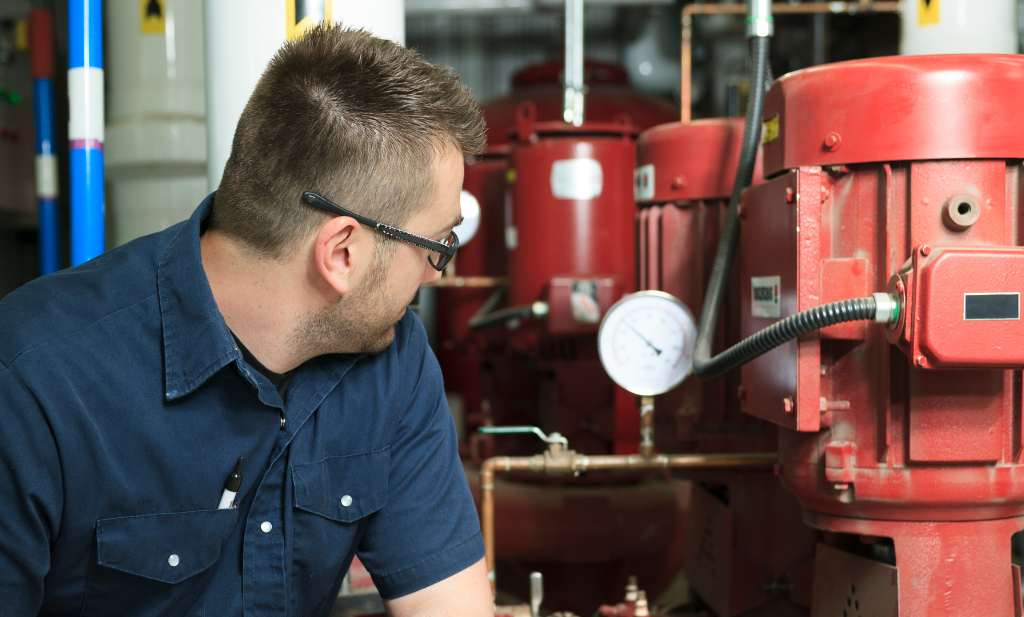
Accurate measurement is the foundation of safe operations. Whether it’s a pressure gauge on a boiler, a torque wrench in automotive assembly, or temperature sensors in pharmaceutical production, properly calibrated instruments ensure:

  • Reliable Readings – Preventing incorrect measurements that could lead to unsafe conditions.

  • Regulatory Compliance – Meeting OSHA, ISO, and industry-specific safety standards.

  • Preventive Maintenance – Identifying equipment drift before it results in equipment failure or workplace accidents.

Without routine calibration, even small deviations can compromise safety protocols.

Common Safety Risks from Uncalibrated Equipment

Uncalibrated instruments can create hidden risks that aren’t obvious until an incident occurs. Some examples include:

  • Electrical Hazards – Faulty multimeters may give incorrect voltage readings, leading to unsafe maintenance work.

  • Mechanical Failures – Inaccurate torque tools can cause under- or over-tightening of bolts, resulting in equipment breakdowns.

  • Environmental Risks – Incorrect gas detection monitors may fail to alert workers to hazardous levels.

  • Quality Defects – Out-of-tolerance measurements in production can lead to defective products, which may create downstream safety concerns for customers.

These scenarios highlight why calibration is not just about quality—it’s about protecting people.

How Calibration Services Enhance Safety Programs

Partnering with an accredited calibration provider helps organizations strengthen their workplace safety strategies. Here’s how:

1. Traceable Accuracy

Calibration services use standards traceable to national and international measurement bodies (NIST, ISO/IEC 17025, etc.), ensuring that readings are consistent and defensible.

2. Documented Compliance

Calibrated instruments come with certificates of calibration, providing documentation that proves compliance during audits and inspections.

3. Reduced Risk of Equipment Failure

Regular calibration identifies performance issues early, reducing the likelihood of unsafe equipment failures.

4. Employee Confidence

Workers can trust the accuracy of their tools, improving confidence in safety protocols and reducing the chance of human error caused by faulty instruments.

FAQs: Calibration and Workplace Safety

Q: How often should equipment be calibrated?
Calibration frequency depends on the instrument type, manufacturer recommendations, usage frequency, and regulatory requirements. Many organizations implement an annual or semi-annual calibration schedule.

Q: Does calibration apply to all industries?
Yes. From aerospace to healthcare, any industry that relies on measurement tools for safety or quality benefits from calibration services.

Q: Is in-house calibration sufficient?
Some basic checks can be done internally, but for traceable accuracy and compliance with ISO/IEC 17025, working with an accredited calibration laboratory is strongly recommended.

Conclusion: Safety Starts with Accuracy

Workplace safety depends on the accuracy and reliability of the tools engineers, technicians, and operators use every day. Calibration services not only keep equipment performing within specifications but also safeguard employees, maintain compliance, and protect end users from harm.

Call us to discuss your calibration, test or repair needs at:
713.944.3139.

Request for Calibration Quote
Request for PPE/Glove Testing Quote