
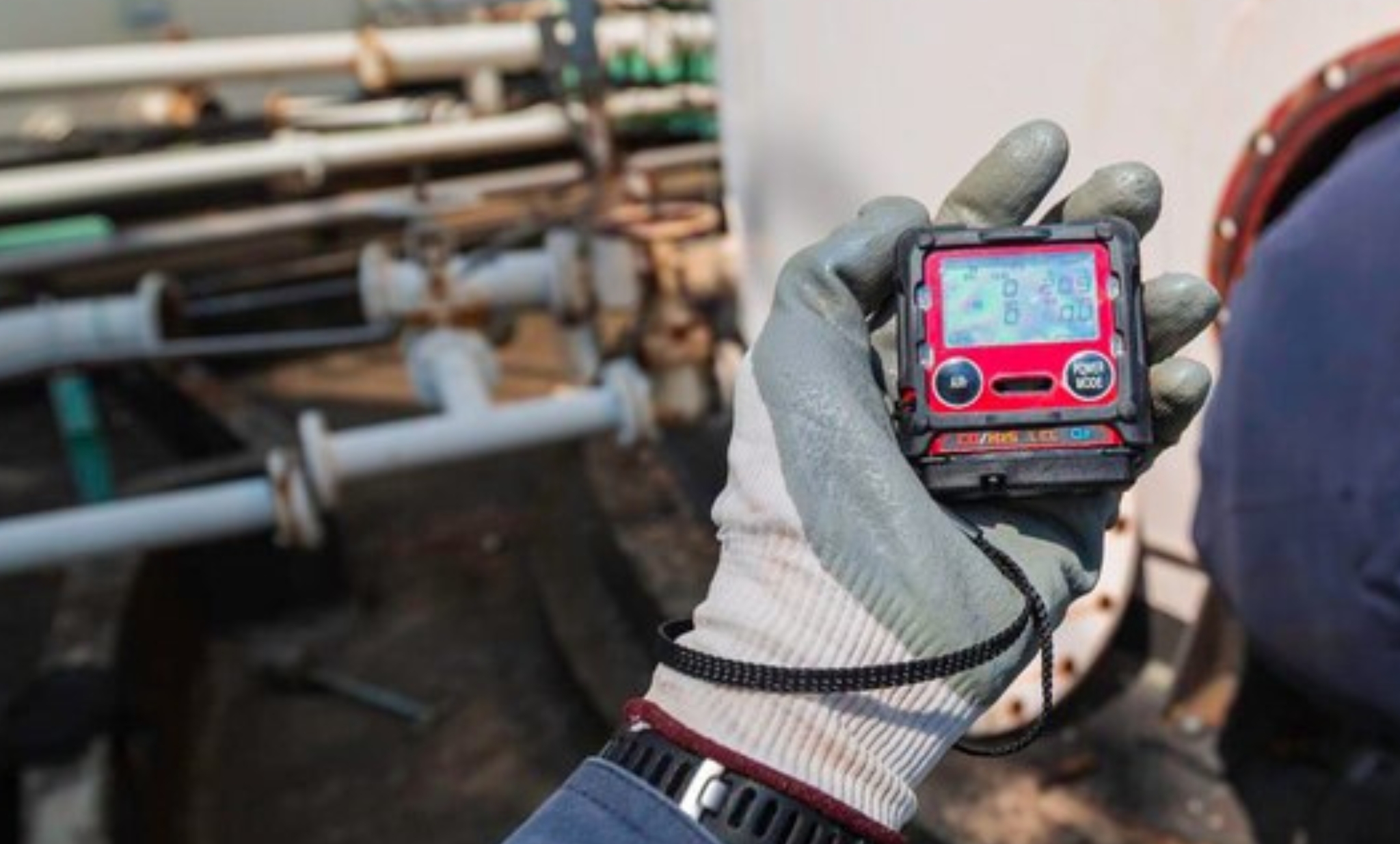
Gas Detector Calibration

by gcc-admin-alpha

Gas Detector Calibration in Houston, TX

Gulf Coast Calibration is a leading provider of gas detector calibration services in Houston, TX. With years of experience and expertise in the industry, Gulf Coast Calibration offers reliable and accurate calibration solutions for a wide range of gas detectors.

Why is Gas Detector Calibration Important?

Gas detectors play a crucial role in ensuring the safety of workers in various industries, including oil and gas, manufacturing, and construction. These devices are designed to detect the presence of hazardous gases and alert individuals to potential dangers. However, for gas detectors to function effectively, regular calibration is essential.

Calibration is the process of adjusting and verifying the accuracy of a gas detector’s sensors and alarms. It ensures that the device is capable of detecting gas concentrations within the required range and provides timely and reliable warnings. Without proper calibration, gas detectors may fail to detect hazardous gases, leading to serious consequences.

The Importance of Professional Gas Detector Calibration

When it comes to gas detector calibration, it is crucial to rely on the expertise of professionals like Gulf Coast Calibration. Here’s why:

1. Accuracy and Reliability: Professional calibration ensures that your gas detectors are accurately calibrated to detect even the smallest concentrations of hazardous gases. This accuracy is vital for the safety of workers and the prevention of potential accidents.

2. Compliance with Regulations: Many industries have strict regulations and standards regarding gas detector calibration. Professional calibration services, like Gulf Coast Calibration, ensure that your devices meet these requirements, keeping you in compliance with industry regulations.

3. Expert Knowledge: Gulf Coast Calibration has extensive knowledge and expertise in gas detector calibration. Their technicians are trained to calibrate a wide range of gas detectors, ensuring that your devices are in capable hands.

Gulf Coast Calibration is proud to offer gas detector calibration services in Houston, TX, and the surrounding areas. Their state-of-the-art calibration facility is equipped with advanced tools and equipment to provide accurate and reliable calibration services.

Whether you need calibration for portable gas detectors, fixed gas detection systems, or multi-gas monitors, Gulf Coast Calibration has you covered. Their team of experts follows industry best practices and standards to ensure the highest level of calibration accuracy.

By choosing Gulf Coast Calibration for your gas detector calibration needs, you can have peace of mind knowing that your devices are in the hands of professionals who prioritize safety and accuracy.

Request for Calibration Quote
Request for PPE/Glove Testing Quote
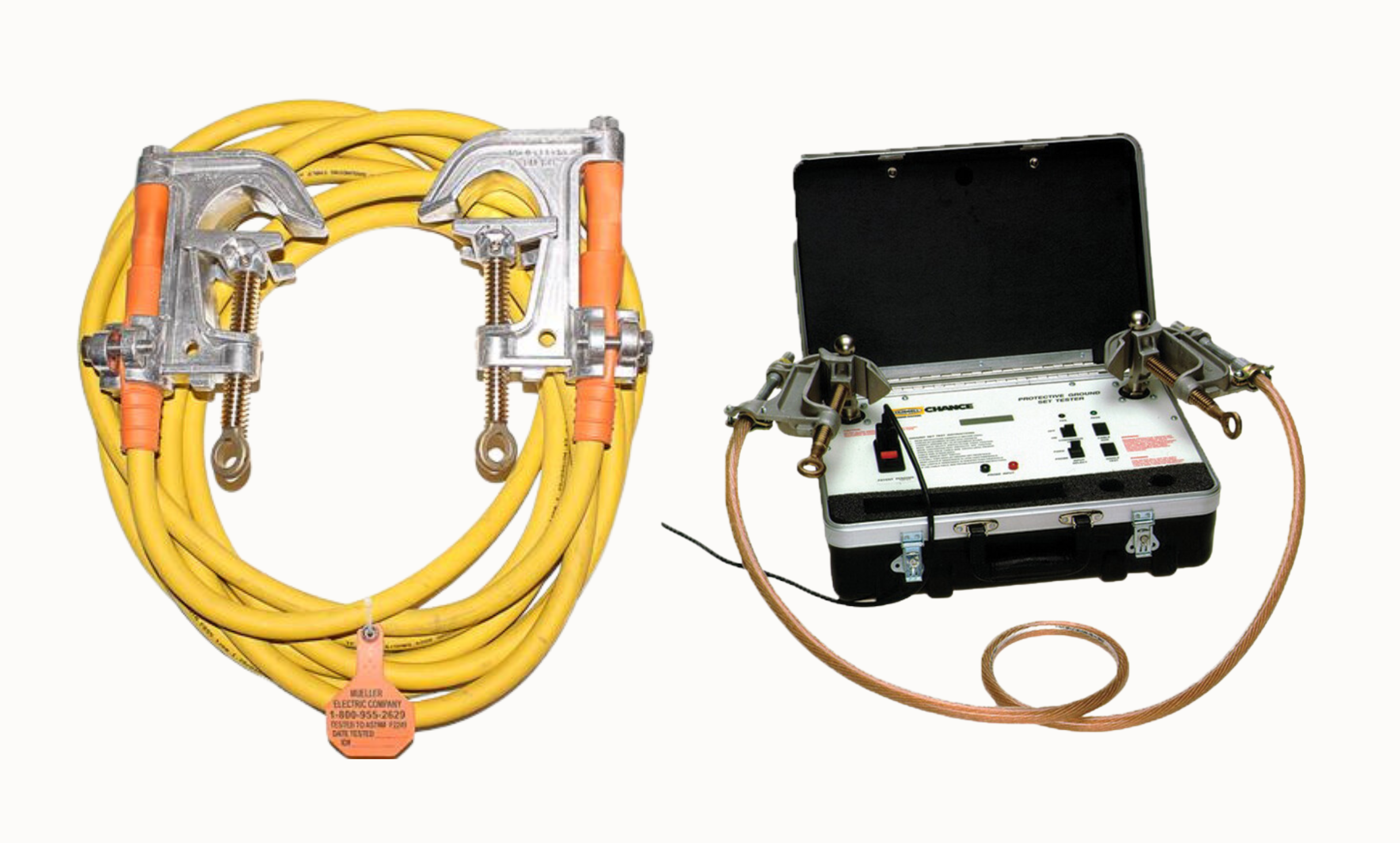
GROUND CABLE TESTING

by gcc-admin-alpha

Ground cable testing is a crucial process in various industries to ensure the safety and efficiency of electrical systems. Whether you work in construction, manufacturing, or any other field that relies on electricity, understanding the importance of ground cable testing is essential. In this blog post, we will explore what ground cable testing is, why it is necessary, and how it is conducted.

What is Ground Cable Testing?

Ground cable testing is a method used to assess the integrity of the grounding system in electrical installations. The grounding system provides a safe path for electrical currents to flow into the ground, preventing electrical shocks and equipment damage. By testing the ground cables, professionals can identify any faults or weaknesses in the system.

Why is Ground Cable Testing Necessary?

Ground cable testing is necessary for several reasons. Firstly, it ensures the safety of personnel working with electrical equipment. Faulty or damaged ground cables can lead to electric shocks, which can be life-threatening. Secondly, it helps protect equipment and machinery from electrical surges. Grounding systems divert excess electrical currents away from sensitive equipment, preventing damage and downtime.

Additionally, ground cable testing is crucial for compliance with industry standards and regulations. Many regulatory bodies require regular testing to ensure that electrical systems meet safety requirements. By conducting thorough ground cable testing, businesses can avoid penalties and legal issues.

How is Ground Cable Testing Conducted?

Ground cable testing involves several steps to assess the integrity of the grounding system. The process typically includes the following:

  1. Visual Inspection: A visual examination of the ground cables and connections is conducted to identify any visible damage or deterioration.
  2. Resistance Measurement: Using specialized equipment, the resistance of the ground cables is measured. This helps determine if the cables can effectively carry electrical currents.
  3. Continuity Testing: Continuity testing is performed to ensure that the ground cables are properly connected and that there are no breaks or interruptions in the path.
  4. Ground Fault Testing: This test is conducted to detect any ground faults in the system. It helps identify if there are any unintended paths for electrical currents.

By following these testing procedures, professionals can accurately assess the condition of the ground cables and take necessary actions to rectify any issues.

Conclusion


Ground cable testing is a critical process that ensures the safety, efficiency, and compliance of electrical systems. By conducting regular testing, businesses can prevent accidents, protect equipment, and meet industry standards. If you work in an industry that relies on electricity, make sure to prioritize ground cable testing to maintain a safe and reliable working environment.

Related resources

Call us to discuss your calibration, test or repair needs at:
713.944.3139.

Request for Calibration Quote
Request for PPE/Glove Testing Quote