

How Downtime from Poor Calibration Affects Your Bottom Line

by gcc-admin-alpha

In today’s competitive manufacturing and laboratory environments, downtime is one of the most expensive challenges organizations face. Every minute of halted production or testing means lost revenue, wasted labor, and delayed delivery schedules. While many factors contribute to downtime, one that is often overlooked is poor or neglected equipment calibration.

For engineers, quality managers, and laboratory technicians, understanding how calibration directly impacts productivity and profitability is essential.

The Hidden Cost of Poor Calibration

When instruments drift out of tolerance, the immediate risk is inaccurate measurements. However, the broader consequence is operational disruption. Poor calibration can lead to:

  • Product Recalls and Rework – Out-of-spec measurements often mean entire batches must be re-tested or scrapped.

  • Safety Incidents – Equipment failures caused by inaccurate readings can halt operations while safety investigations are conducted.

  • Unplanned Maintenance – Miscalibrated tools stress systems and equipment, leading to breakdowns and costly emergency repairs.

  • Regulatory Non-Compliance – Failed audits due to missing or invalid calibration records can shut down production until issues are resolved.

Each of these scenarios results in downtime that eats into your bottom line.

Downtime in Dollars: The Real Impact

The true cost of downtime extends far beyond lost production time. Consider the ripple effects:

  • Direct Financial Losses – Manufacturing downtime can cost thousands to hundreds of thousands of dollars per hour, depending on industry.

  • Labor Inefficiency – Technicians and operators sit idle or repeat work, raising labor costs without producing value.

  • Customer Dissatisfaction – Delayed orders damage trust and can lead to lost contracts.

  • Increased Liability – Safety risks and compliance violations expose companies to penalties or legal costs.

By neglecting calibration, companies trade short-term cost savings for long-term financial losses.

How Calibration Minimizes Downtime

A proactive calibration program is one of the most effective strategies to reduce downtime and safeguard profitability. Partnering with an accredited calibration provider ensures:

1. Accurate Measurements

Minimizes rework, rejects, and costly quality escapes.

2. Preventive Maintenance

Detects equipment drift early, preventing failures that could halt production.

3. Compliance Assurance

Ensures audit readiness with traceable calibration certificates that satisfy ISO/IEC 17025 and regulatory standards.

4. Operational Confidence

When technicians trust their instruments, workflow efficiency improves and production stays on schedule.

FAQs: Calibration and Downtime

Q: How does calibration directly reduce downtime?
By ensuring instruments stay within tolerance, calibration prevents errors that lead to rework, equipment damage, or failed audits—all of which cause costly stoppages.

Q: Isn’t calibration more expensive than downtime?
No. Calibration is a fraction of the cost compared to lost production hours, rework, or fines from compliance failures.

Q: Can calibration schedules be optimized to reduce downtime further?
Yes. A data-driven approach, based on equipment history and usage, can balance calibration frequency with operational efficiency.

Conclusion: Protect Your Bottom Line with Calibration

Downtime caused by poor calibration is one of the most preventable drains on profitability. By maintaining accurate, traceable, and compliant equipment, businesses protect not only product quality and workplace safety but also their financial health.

Investing in calibration today means fewer disruptions, smoother operations, and a stronger bottom line tomorrow.

Call us to discuss your calibration, test or repair needs at:
713.944.3139.

Request for Calibration Quote
Request for PPE/Glove Testing Quote
How Often Should Equipment Be Calibrated?

by gcc-admin-alpha

How Often Should Equipment Be Calibrated?

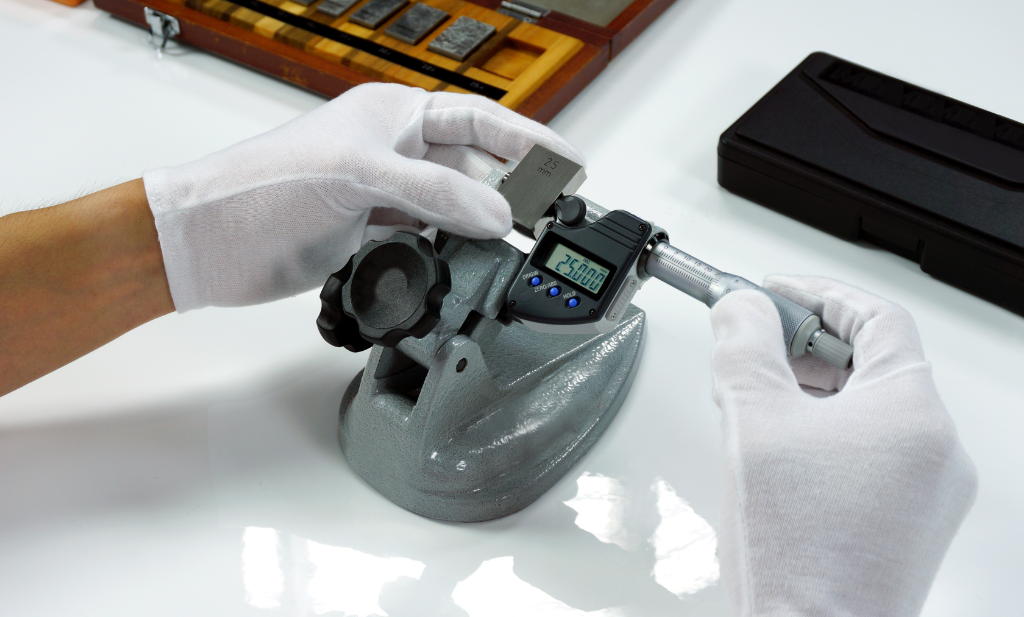
In industries where precision and safety are critical, calibration is not optional—it’s essential. Engineers, quality managers, and laboratory technicians know that equipment accuracy directly impacts both product quality and workplace safety. But one of the most common questions is: How often should equipment be calibrated?

The answer is not one-size-fits-all. Calibration intervals depend on several factors, including equipment type, usage, environment, and compliance requirements. In this article, we’ll break down the key considerations to help you set the right calibration schedule.

At Gulf Coast Calibration, we specialize in precise calibration services, helping businesses maintain the accuracy of their equipment and ensure optimal performance. In this post, we’ll dive into the importance of calibrating your pressure gauge and the value it brings to your operations.

Why Calibration Frequency Matters

Calibration is the process of comparing a measurement instrument against a traceable reference standard to verify accuracy. Over time, instruments naturally drift out of tolerance. Without regular calibration:

  • Safety risks increase due to inaccurate readings.

  • Products may fail quality standards.

  • Compliance with ISO/IEC 17025 and regulatory requirements may be compromised.

  • Costs rise from rework, downtime, or defective batches.

A well-defined calibration schedule ensures equipment reliability, workplace safety, and regulatory compliance.

Factors That Determine Calibration Frequency

1. Manufacturer Recommendations

Most equipment comes with a recommended calibration interval. For many instruments, this is annually, but some sensitive devices may require more frequent checks.

2. Industry Standards & Compliance

Certain industries are bound by strict regulations:

  • Pharmaceuticals and healthcare – often require 6-month calibration cycles.

  • Aerospace and automotive – adhere to ISO/IEC 17025 or IATF 16949 requirements, typically annual or semi-annual.

  • Food and beverage – may follow HACCP guidelines for regular verification.

3. Equipment Usage

  • High-frequency usage → more wear and faster drift.

  • Critical safety applications → require shorter intervals.

  • Backup or rarely used equipment → may extend calibration cycles, but still need periodic verification.

4. Environmental Conditions

Harsh environments (temperature extremes, humidity, vibration, or chemical exposure) accelerate instrument drift. Equipment in these conditions should be calibrated more frequently.

5. Past Performance History

Tracking calibration data helps identify instruments that consistently hold accuracy longer. A data-driven approach allows for optimized calibration intervals.

Typical Calibration Intervals

While schedules vary, here are common intervals used across industries:

  • Annually – Standard for most general-purpose instruments.

  • Semi-Annually – Common in regulated industries or for high-use equipment.

  • Quarterly or Monthly – For critical safety tools or instruments exposed to harsh environments.

  • Condition-Based – Using historical data and monitoring drift trends.

FAQs: Calibration Scheduling

Q: Can I extend calibration intervals if my equipment always passes?
With documented evidence from calibration history, you may justify extended intervals. However, regulatory bodies may still require fixed schedules.

Q: What happens if calibration is overdue?
Instruments that miss calibration cannot be trusted for compliance or safety. They should be removed from service until recalibrated.

Q: Can in-house verification replace professional calibration?
Basic checks can help between calibration cycles, but for traceable, ISO/IEC 17025-compliant calibration, accredited labs are essential.

Conclusion: The Right Interval Protects Safety and Quality

There is no universal rule for how often equipment should be calibrated, but annual calibration remains a baseline standard across most industries. By considering usage, environment, industry requirements, and historical data, organizations can set optimized intervals that maintain accuracy, protect safety, and ensure compliance.

Call us to discuss your calibration, test or repair needs at:
713.944.3139.

Request for Calibration Quote
Request for PPE/Glove Testing Quote

How Calibration Services Improve Workplace Safety

by gcc-admin-alpha

How Calibration Services Improve Safety in the Workplace

In modern manufacturing facilities and laboratories, safety and precision go hand in hand. Engineers, quality managers, and lab technicians all rely on measurement instruments to deliver accurate results. When those instruments drift out of tolerance, the consequences can be more than just operational inefficiency—they can pose serious safety risks. This is where professional calibration services play a critical role.

By ensuring that equipment is properly calibrated, organizations can minimize hazards, maintain compliance with safety regulations, and protect both employees and end users.

Why Calibration Matters for Workplace Safety

Accurate measurement is the foundation of safe operations. Whether it’s a pressure gauge on a boiler, a torque wrench in automotive assembly, or temperature sensors in pharmaceutical production, properly calibrated instruments ensure:

  • Reliable Readings – Preventing incorrect measurements that could lead to unsafe conditions.

  • Regulatory Compliance – Meeting OSHA, ISO, and industry-specific safety standards.

  • Preventive Maintenance – Identifying equipment drift before it results in equipment failure or workplace accidents.

Without routine calibration, even small deviations can compromise safety protocols.

Common Safety Risks from Uncalibrated Equipment

Uncalibrated instruments can create hidden risks that aren’t obvious until an incident occurs. Some examples include:

  • Electrical Hazards – Faulty multimeters may give incorrect voltage readings, leading to unsafe maintenance work.

  • Mechanical Failures – Inaccurate torque tools can cause under- or over-tightening of bolts, resulting in equipment breakdowns.

  • Environmental Risks – Incorrect gas detection monitors may fail to alert workers to hazardous levels.

  • Quality Defects – Out-of-tolerance measurements in production can lead to defective products, which may create downstream safety concerns for customers.

These scenarios highlight why calibration is not just about quality—it’s about protecting people.

How Calibration Services Enhance Safety Programs

Partnering with an accredited calibration provider helps organizations strengthen their workplace safety strategies. Here’s how:

1. Traceable Accuracy

Calibration services use standards traceable to national and international measurement bodies (NIST, ISO/IEC 17025, etc.), ensuring that readings are consistent and defensible.

2. Documented Compliance

Calibrated instruments come with certificates of calibration, providing documentation that proves compliance during audits and inspections.

3. Reduced Risk of Equipment Failure

Regular calibration identifies performance issues early, reducing the likelihood of unsafe equipment failures.

4. Employee Confidence

Workers can trust the accuracy of their tools, improving confidence in safety protocols and reducing the chance of human error caused by faulty instruments.

FAQs: Calibration and Workplace Safety

Q: How often should equipment be calibrated?
Calibration frequency depends on the instrument type, manufacturer recommendations, usage frequency, and regulatory requirements. Many organizations implement an annual or semi-annual calibration schedule.

Q: Does calibration apply to all industries?
Yes. From aerospace to healthcare, any industry that relies on measurement tools for safety or quality benefits from calibration services.

Q: Is in-house calibration sufficient?
Some basic checks can be done internally, but for traceable accuracy and compliance with ISO/IEC 17025, working with an accredited calibration laboratory is strongly recommended.

Conclusion: Safety Starts with Accuracy

Workplace safety depends on the accuracy and reliability of the tools engineers, technicians, and operators use every day. Calibration services not only keep equipment performing within specifications but also safeguard employees, maintain compliance, and protect end users from harm.

Call us to discuss your calibration, test or repair needs at:
713.944.3139.

Request for Calibration Quote
Request for PPE/Glove Testing Quote
Electrical Test Tools Calibration

by gcc-admin-alpha

Electrical Test Equipment Calibration 

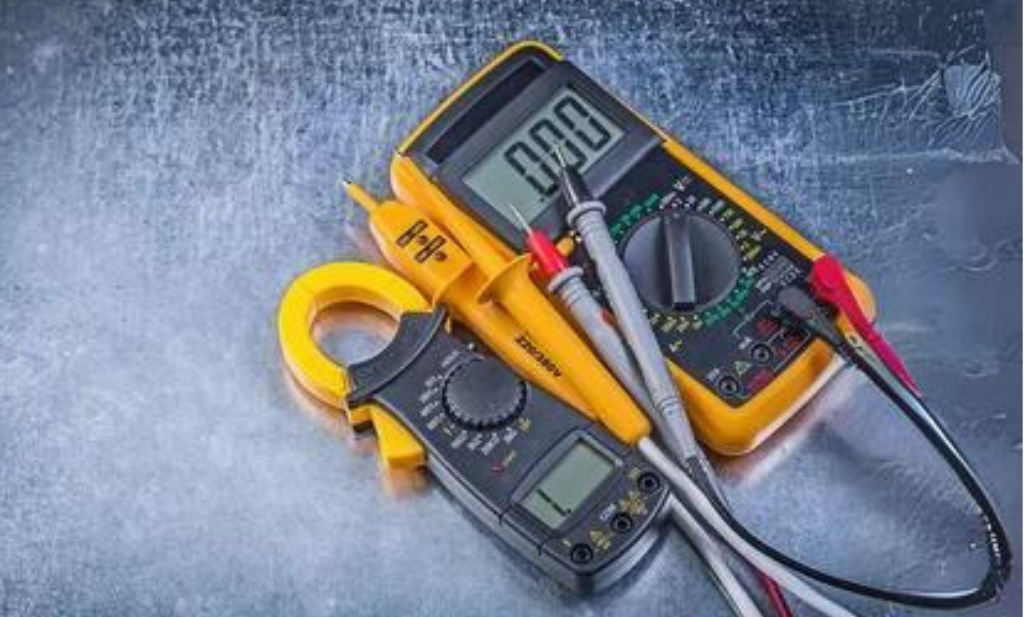
Electrical test equipment are essential tools for many professionals and businesses that rely on accurate and reliable measurements of various electrical parameters. However, these equipment are not immune to wear and tear, environmental factors, or human errors that can affect their performance and accuracy over time. That’s why it is important to have your electrical test equipment regularly tested, repaired and calibrated by a trusted calibration service provider.

Gulf Coast Calibration is a leading provider of calibration services for electrical test equipment in Nigeria and beyond. We have been in the calibration business for over 40 years, serving various industries such as oil and gas, aerospace, medical, manufacturing and more. We have a team of qualified and experienced technicians who can handle any calibration challenge. We use state-of-the-art equipment and software to ensure accuracy and reliability of your measurements.

We can test, repair and calibrate a wide range of electrical test equipment, such as:

  • Multimeters
  • Oscilloscopes
  • Power supplies
  • Thermometers
  • Clamp meters
  • Megohmmeters
  • Frequency counters
  • Function generators
  • And more

We can calibrate your electrical test equipment according to the manufacturer’s specifications, industry standards, or your own custom requirements. We can also provide you with a calibration certificate that documents the calibration results, traceability, and uncertainty.

We offer fast turnaround times, competitive prices, and excellent customer service. We can also provide on-site calibration services at your location, or pick up and drop off your equipment at your convenience.

Whether you need to calibrate your electrical test equipment for compliance, quality assurance, or performance improvement, Gulf Coast Calibration can help you. Contact us today to get a free quote and schedule your calibration service.

If your company is accredited by a specific industry-standard body, such as the International Organization for Standardization (ISO), this is an excellent example. If this is the case, you may be obliged to follow rules for how frequently your equipment must be calibrated, and failure to do so may result in the loss of your certification.

Call us to discuss your calibration, test or repair needs at:
713.944.3139.

Request for Calibration Quote
Request for PPE/Glove Testing Quote
5 Factors To Consider When Selecting A Calibration Company

by gcc-admin-alpha

Weighing and measuring equipment is used in industries ranging from pharmaceutical manufacturing to military contracts to ensure compliance, precision, and safety. Unfortunately, due to normal wear and tear, every measuring instrument loses its effectiveness over time. Calibrating your measuring equipment has various advantages, including increased instrument life, more precise results, simpler certification, and lower expenses.

When it comes to calibrating your equipment, you need a calibration laboratory you can rely on for efficiency and peace of mind. Here are some things to think about when selecting calibration services for your equipment.

Accreditation

One of the characteristics to look for in a calibration lab is if it is third-party accredited. It is critical to work with a calibration service provider who has been accredited by third-party standardization bodies. This is because certification verifies the accuracy of a lab’s calibrations. When you work with an approved calibration laboratory, you can be confident that they satisfy quality assurance standards.

Look for a calibration service provider who has been accredited by numerous standardizing agencies. Some of the most valuable calibration lab accreditations are:

  • ISO/IEC 17025:2005
    This certification is provided by the International Organization for Standardization (ISO) and specifies the competence, consistency, and impartiality of a laboratory. ISO/IEC 17025 certification is commonly seen as a fundamental indicator of a laboratory’s competency. The standard is divided into five sections: general, management system, structure, resources, and process.

    This standard is critical for any calibration laboratory to meet since it improves a lab’s industry reputation and promotes efficiency, performance, and compliance.

  • ISO 9001
    ISO 9001 is another important standard. Although ISO 9001 is not as specifically aimed at calibration laboratories as ISO/IEC 17025, it is an essential part of implementing a quality management system (QMS). A quality management system (QMS) is a set of practices meant to help a company improve continuously.

    ISO 9001 certification may help any company that wants to provide high-quality products. The standard requires companies to document their operations in order to generate a QMS handbook. The accreditation procedure also includes regular audits by a certifying agency.

Capabilities

Precision calibration is critical for assessing the accuracy and effectiveness of your equipment. With so many sectors relying on metrology equipment, calibration laboratories must have the skills and capabilities to operate with a wide range of equipment. Calibration of a thermometer, for example, differs from calibration of a sensor.

A reputable calibration service provider can fulfill all of your calibration requirements, including:

  • Calibration of Pressure and Vacuum
    Pressure gages are widely used in food and beverage processing plants, labs, oil refineries, and other scientific settings. Pressure and vacuum calibration employ computerized pressure modules to determine if pressure gages produce reliable data, assisting organizations in meeting customer expectations and adhering to industry standards.
  • Mass and torque calibration
    Torque devices are used during production when the automotive and machine manufacturing sectors need to measure torque. Manufacturers can guarantee their devices transmit the proper tension to the fastener by performing frequent torque and mass calibration.
  • Calibration of Electronics
    Electrical characteristics such as current, voltage, resistance, time, and frequency must be measured in a variety of businesses. Electrical calibration is performed in calibration labs using calibration equipment that has been certified against standards from independent regulatory authorities.
  • Surface Plate Calibration and Resurfacing
    For accurate measurements, surface plates must fulfill flatness standards. These plates may have peaks or depressions from wear, indicating that they should be resurfaced on a regular basis. Surface Plate Calibration and Refinishing are critical for ensuring that goods satisfy industry requirements.

Accuracy

You want your company’s measurement equipment to be as precise as possible. Accurate calibration equipment can provide more precise findings, boosting the usefulness of your equipment.

A reliable calibration facility will either send a qualified technician to your location or calibrate your equipment in a laboratory. During the calibration procedure, the technician will compare your instrument’s measurements to a standard to check if they match.

If your equipment produces a reading that differs from the norm and falls outside of the standard accuracy ratio, the technician will discover the problem. They will then tweak your instrument till the reading is accurate.

Service To Customers

One of the finest traits of a calibration lab is a commitment to client service. Calibration must be done on a regular basis, perhaps as frequently as every few months, depending on how frequently the device is used. Developing a professional partnership with a full-service calibration service provider guarantees that the calibration process runs smoothly and that your equipment satisfies expert requirements.

Here are some of the customer service advantages to look for in a calibration lab:

  • Knowledgeable technicians: When acquiring on-site calibration services, you want professionals that understand the processes required to calibrate your unique equipment. Look for a trustworthy calibration business that has properly trained specialists that can do on-site calibration.
  • Fast turnaround: When you need equipment calibration services but want to avoid costly downtime, look for a calibration company with fast turnaround times. You should be able to ask a calibration laboratory about how long it takes them to service equipment. Few manufacturers can afford to be without an essential piece of equipment for months as they wait for calibration. Look for a calibration laboratory that can complete the calibration in a few days.
  • Multiple ways to calibrate: Many calibration labs will perform field calibration, where they send a technician to your company’s location to perform the calibration on-site. While this method saves time on shipping, calibration may not work if temperature and humidity interfere with sensitive devices. Look for a calibration service provider that offers multiple calibration methods, including on-site and laboratory calibration. If the lab provides regional pickup and delivery, that’s another bonus.

Experience

When it comes to measuring precision, you need experienced calibration services to assure the functioning of your equipment. Consider hiring a calibrating business with years of expertise. Working with an expert calibration service provider has the following advantages:

  • Precision calibration services on a full-service basis.
  • Professional, experienced specialists that can solve equipment difficulties.
  • Services for equipment repair.

Let Gulf Coast Manage Your Calibration Schedule.

Are you looking for calibration services, or is your equipment producing out-of-the-ordinary results? If so, you’ve come to the right place. Gulf Coast Calibration has over 40 years of expertise and has developed to become one of the Gulf Coast region finest weighing equipment and calibration firms. Our calibration services, which encompass equipment in a variety of sectors, are provided through our in-house laboratory or on-site at our clients’ facilities.

Call us to discuss your calibration, test or repair needs at:
713.944.3139.

Request for Calibration Quote
Request for PPE/Glove Testing Quote
4 Indicators That Your Equipment Needs To Be Calibrated

by gcc-admin-alpha

In an industry where data and measurements are essential factors in daily work, costly equipment is required to provide precise and trustworthy results. Some individuals even go so far as to suggest that scientists are only as good as their equipment. As a result, ensuring that your equipment provides correct measurements is critical to your organization.

Producing dependable and accurate data is critical since many areas rely on it. This is when equipment calibration comes into play. What exactly is calibration? Calibration is the act of reviewing and modifying your equipment to achieve accurate and consistent results.

In this blog post, we will go through some of the most common indicators that your equipment needs to be calibrated, as well as the many types of calibration and which sorts of equipment are ideal for each.

It’s Due (Your Calendar Says So)

One of the most typical indications that your equipment requires calibration is when your timetable specifies it. It is routine protocol to have your equipment calibrated not just at purchase but also yearly, just as you would have your automobile tested. However, this might vary greatly depending on the business and how the equipment is used. Because of their function and direct influence on quality, some industries and equipment may require calibration more frequently than others.

If your company is accredited by a specific industry-standard body, such as the International Organization for Standardization (ISO), this is an excellent example. If this is the case, you may be obliged to follow rules for how frequently your equipment must be calibrated, and failure to do so may result in the loss of your certification.

Damage/Repairs.

It’s usually a good idea to get your equipment calibrated if it’s been damaged or recently fixed, even if the damaged or repaired region wasn’t close to the measuring area. Why? Damage and fixes might unintentionally generate additional internal problems or changes. For example, when repairing a piece of equipment, a sensor may be accidentally bumped, or if a tool or gage is lost, the calibration may be thrown off. Overall, if a piece of equipment is broken or repaired, it is essential to take precautions to ensure accurate findings and measurements.

When Results Are Inconsistent.

Inconsistent and bad results are perhaps the second most prevalent indication that your equipment needs to be calibrated. Products that do not meet specifications or machinery that does not perform as planned are two of the most typical occurrences in this category. Unexpected outcomes may arise from time to time, so keep a look out for results that routinely fall outside of specifications.

A excellent strategy to fight this is to continuously verify and recheck the instrument readings, as well as the quality and standards of the final items. Overall, if you see a result that is even somewhat out of the ordinary, especially over time, getting your equipment calibrated is never a bad idea.

When Requested By The Customer.

Customer requirements are another reason why equipment must be calibrated. Customers may request that your equipment be calibrated to guarantee that they are obtaining correct results, depending on your business and the services you provide. This will not only assist you give correct results for the current consumer, but for many more to come. It may also serve as a prophylactic tool, assisting you to avoid outlier outcomes or catching results that are just outside of the mean. While this is a somewhat uncommon reason for equipment calibration, it is something you should be aware of.

Let Gulf Coast Manage Your Calibration Schedule.

Are you looking for calibration services, or is your equipment producing out-of-the-ordinary results? If so, you’ve come to the right place. Gulf Coast Calibration has over 40 years of expertise and has developed to become one of the Gulf Coast region finest weighing equipment and calibration firms. Our calibration services, which encompass equipment in a variety of sectors, are provided through our in-house laboratory or on-site at our clients’ facilities.

Call us to discuss your calibration, test or repair needs at:
713.944.3139.

Request for Calibration Quote

Request for PPE/Glove Testing Quote
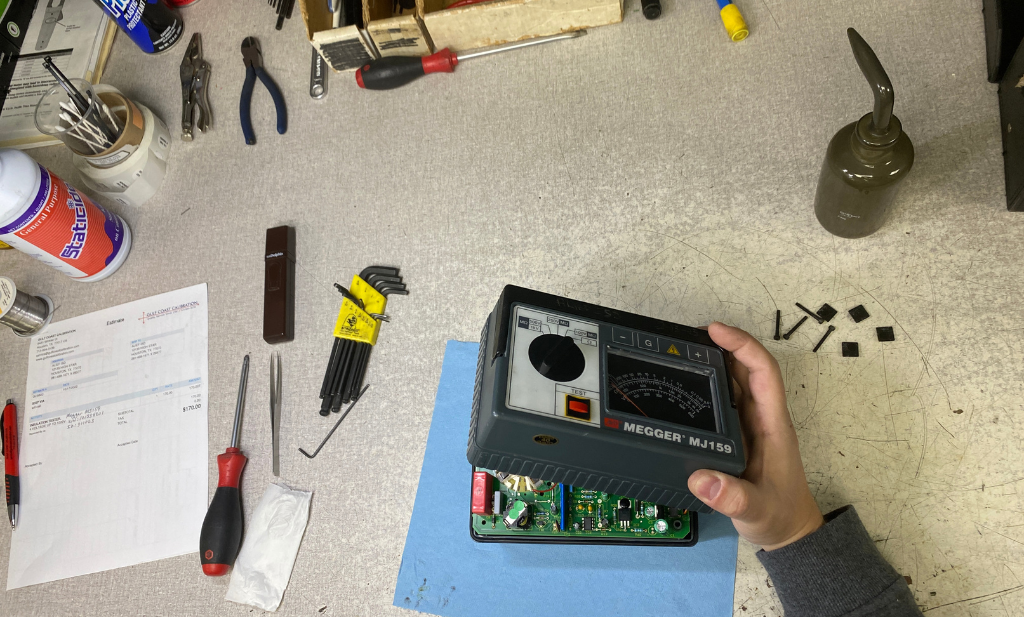
10 Reasons to Calibrate your Instruments with Gulf Coast Calibration

by gcc-admin-alpha

Is it more essential to be accurate or timely?

You get both when you work with Gulf Coast CalibrationA2LA-accredited calibrations lab.

Gulf Coast Calibration has been committed to producing the finest, high-precision pressure measurement and calibration systems available since 1981 â€“ it is this international reputation for quality and service that meets your requirements for both timeliness AND accuracy.

We understand your industry and business. We support a wide range of systems in addition to our own. We understand the distinction between process time and lead time, and we guarantee 5-day or less in lead time.

Why Should You Calibrate?

The reasons for calibrating are simple. Component, equipment, and product calibration can:

  1. Spend less money:
    Profits will rise if costs and waste are reduced through standardization.
  2. Ensure Your Safety:
    Products and components that have been calibrated work as expected and are safe to use.
  3. Ensure High Quality:
    Calibrated components and equipment will consistently create standardized products.
  4. Reduce Production Time:
    When high-quality components are available, there is no need to waste time changing out-of-spec components.
  5. Ensure Certification Compliance:
    It is guaranteed that industry rules and corporate certifications are followed.
  6. Ascertain Accuracy:
    Calibration will enable consistent reporting of product correctness.
  7. Allows for traceability:
    If necessary, calibrations can be undertaken with traceability to national standards.
  8. Improve consistency and dependability:
    Products that are manufactured to specifications perform better and endure longer.
  9. Make up for Drift:
    Regular calibration eliminates drift error.
  10. Process Failures Can Be Prevented and Predicted:
    Sensors that are reliable and precise can identify a gradual shift toward out of tolerance process conditions.

How Often Should You Calibrate?

Calibration, at its heart, is a method for determining the best approximation of the real value of a quantity being measured. There is no way to determine the exact value of a measurement, but it is feasible to come close. This proximity to the truth is what we call accuracy. Calibration is a method of ensuring that measurements collected from a device are accurate. This is accomplished by comparing the device output to a more accurate reference device. Best practices necessitate that this reference device be traceable to a national or international standard in SI units.

Some sensors wander more than others. Manufacturers typically have a reasonable notion of how long a sensor will take to drift out of tolerance. A “calibration interval” will be recommended by a manufacturer based on their expertise and the inherent calibration stability of a sensor. The calibration interval is often specified in the sensor’s specifications. The term “recommendation” indicates some freedom in extending or shortening the period based on an individual sensor’s continuing history. Some sensors may remain in tolerance for a longer period of time than others. In practice, the user must decide whether to re-calibrate depending on their experience with each sensor.

Call us to discuss your calibration, test or repair needs at:
713.944.3139.

Request for Calibration Quote

Request for PPE/Glove Testing Quote
5 Steps to Implement ISO 17025 Decision Rule – How to Apply the Decision Rule in a Calibration Results

by gcc-admin-alpha

The international standard for laboratories that perform testing and calibration is ISO 17025. The application of decision rules is an important part of the standard. A set of criteria known as decision rules is used to determine whether or not a measurement result is valid. They are crucial to the laboratory’s ability to produce accurate and reliable results.

We will go over the five steps necessary to implement ISO 17025 decision rules in your laboratory and demonstrate how to incorporate them into calibration results in this blog post.

Step 1: Determine the Decision Rule

Choosing which rule to use is the first step in putting decision rules into action. Decision rules come in a variety of forms, including statistical, regulatory, and metrological ones. The choice of rule will be determined by the nature of the measurement and the requirements of the laboratory.

Step 2: Define the Acceptance Criteria

The acceptance criteria must now be defined following the determination of the decision rule. The limits within which a measurement result is considered valid are known as acceptance criteria. The measurement uncertainty in the laboratory should serve as the foundation for these criteria, which should be established in such a way as to guarantee the accuracy and dependability of the outcomes.

Step 3: Verify the Decision Rule

It is essential to confirm that the decision rule is appropriate for use in the laboratory before putting it into action. A validation study can accomplish this by analyzing a set of calibration results with the decision rule and comparing them to a reference value.

Step 4: Implement the Decision Rule

The decision rule can be used in the laboratory once it has been tested. This includes integrating the standard into the research center’s quality administration framework, preparing staff on the best way to apply the standard, and guaranteeing that the standard is reliably applied across all estimations.

Step 5: Monitor and Review

Last but not least, it is essential to keep an eye on and evaluate how the decision rule is being applied in order to guarantee that it is working and that the laboratory is delivering results that are trustworthy and accurate. This entails reviewing the results of the calibration on a regular basis, ensuring that the acceptance criteria are met, and adjusting the decision rule or acceptance criteria as necessary.

Now, let’s dive into how to apply the decision rule in calibration results.

The laboratory must first determine whether the measurement result meets the acceptance criteria before applying the decision rule. Assuming the estimation result falls inside the acknowledgment measures, it is viewed as substantial, and no further activity is vital.

The laboratory must decide whether the measurement result is acceptable or not if it does not meet the acceptance criteria. This is accomplished by comparing the measurement result to the decision limit, which is the decision rule’s maximum deviation from the reference value that is acceptable.

The measurement result is deemed acceptable and requires no further action if it falls within the decision limit. The laboratory must take the appropriate action, such as repeating the measurement, investigating the cause of the deviation, or adjusting the measurement method, if the measurement result falls outside the decision limit.

It’s important to remember that the decision rule and acceptance criteria should be checked on a regular basis to make sure they still work well and produce results that are reliable and accurate. Based on the laboratory’s experience and stakeholders’ feedback, modifications to the decision rule or acceptance criteria should be made if necessary.

To sum up, the 5 moves toward execute ISO 17025 choice principles and apply them in adjustment results are:

  • Select the decision rule that is appropriate for the laboratory’s needs and the kind of the measurement being conducted.
  • Establish the acceptance criteria based on the laboratory’s measurement uncertainty and define them in a way that assures trustworthy and accurate findings.
  • Validate the decision rule using a validation study that evaluates a set of calibration findings and compares them to a reference value.
  • Apply the decision rule by incorporating it into the laboratory’s quality management system, training workers on how to use it, and ensuring that it is uniformly implemented across all measurements.
  • Monitor and assess the decision rule’s execution by analyzing calibration results on a regular basis, ensuring that the acceptance requirements are satisfied, and making any required changes to the decision rule or acceptance criteria.

By implementing these five processes, laboratories may verify that their measurement findings are legitimate and consistent, as well as that they suit the needs of their stakeholders. Decision rules are an important aspect of ISO 17025, and laboratories must understand and implement them appropriately in order to deliver trustworthy and accurate findings.

In conclusion, adopting ISO 17025 decision criteria and incorporating them into calibration findings is critical for assuring the dependability and accuracy of a laboratory’s measurement results. Laboratories may generate valid and consistent findings that fulfill the expectations of their stakeholders by following the 5 stages indicated in this blog article and evaluating the decision rule and acceptance criteria on a regular basis.

Call us to discuss your calibration, test or repair needs at:
713.944.3139.

Request for Calibration Quote

Request for PPE/Glove Testing Quote
4 Signs Your Equipment Needs To Be Calibrated

by gcc-admin-alpha

In an industry where data and measurements are primary considerations in daily work, costly equipment is required to ensure accurate and reliable readings. Some people even go so far as to say that scientists are only as good as their tools. As a result, ensuring that your equipment provides accurate readings is critical to your business.

Producing reliable and accurate data is critical because many fields rely on it. This is where equipment calibration comes into play. What exactly is calibration? Calibration is the process of evaluating and adjusting your equipment to ensure precise and consistent results.

In this blog, we will go over some of the most common indicators that your equipment needs to be calibrated, as well as the various types of calibration and which types of equipment are best for each.

1. It is due (Your Schedule Says So):

One of the most common indications that your equipment requires calibration is when your schedule specifies it. It is standard procedure to have your equipment calibrated not only upon purchase but also annually, just as you would have your car inspected. However, this can vary greatly depending on the industry and how the equipment is used. Because of their role and direct impact on quality, some industries and equipment may require calibration more frequently than others.

If your company is certified by a specific industry-standard agency, such as the International Organization for Standardization, this is a great example (ISO). If this is the case, you may be required to follow guidelines for how frequently your equipment must be calibrated, and failure to do so may result in the loss of your certification.

2. Damage/Repairs:

It’s always a good idea to have your equipment calibrated after it’s been damaged or recently repaired, even if the damaged or repaired area wasn’t close to the measurement area. Why? Damage and repairs can unintentionally cause other internal problems or changes. For example, when repairing a piece of equipment, a sensor may be accidentally bumped, or if a tool or gage is dropped, the calibration may be thrown off. Overall, whenever a piece of equipment is damaged or repaired, it is best to take precautions to ensure accurate results and measurements.

3. Your measurements are inconsistent: 

Inconsistent and poor results are probably the second most common indication that your equipment needs to be calibrated. Products that do not meet specifications or machinery that does not operate as intended are two of the most common occurrences in this category. Unexpected outcomes may occur from time to time, so keep an eye out for results that consistently fall outside of specifications.

A great way to combat this is to consistently check and recheck the instrument readings, as well as the quality and specifications of the final products. Overall, if you notice a result that is even slightly out of the norm, especially over time, having your machine calibrated is never a bad idea.

4. It was requested by the customer.:

Customer requests are another reason why equipment must be calibrated. Customers may request that your equipment be calibrated to ensure that they are receiving accurate results, depending on your industry and the services you provide. This will not only help you deliver accurate results for the current customer, but for many more to come. It can also serve as a preventative measure, assisting you to avoid outlier results or catching results that are just outside of the norm. While this is a relatively uncommon reason for equipment calibration, it is something you should be aware of.

Your Calibration Schedule Will Be Managed by Gulf Coast Calibration

Are you looking for calibration services, or is your equipment producing out-of-the-ordinary results? If so, you’ve come to the right place. Gulf Coast Calibration has over 42 years of experience and has grown to become one of the best weighing equipment and calibration companies in the Gulf Coast Region. Our calibration services, which cover equipment in a variety of industries, are provided through our in-house laboratory or on-site at our customers’ facilities.

We take quality very seriously because our clients rely on us to help them provide quality products and services to their customers. As proof of our quality, we are registered and accredited by ISO/IEC 17025, and our calibrations are performed using NIST-traceable standards.

Call us to discuss your calibration, test or repair needs at:
713.944.3139.

Request for Calibration Quote

Request for PPE/Glove Testing Quote