
Importance Of Turnaround Times In Calibration Services

by gcc-admin-alpha

Finding the proper Calibration Service Provider has become even more crucial and necessary in an ever-changing environment where precision production has become the new normal. How do I know when to calibrate my equipment and devices, and where should I ship them, is a growing concern. This topic becomes much more relevant when you consider the expense of downtime caused by a lack of the equipment and instruments essential for your production process.

Choosing The Best Fit For Your Calibration Requirements

When selecting a Calibration Service Company, it is critical to inquire about their turnaround time for serviced equipment. Many times, you may send your tools and instruments out and wait up to a month or more for them to be returned. When trying to satisfy today’s high production demands, very few manufacturers can remain without a tool or instrument for that length of time.

Importance of Calibrating Tools and Instruments

Today’s industrial demands may force you to postpone your calibration needs or simply not have your equipment and instruments calibrated in order to meet your customers’ demanding timetables. Avoiding calibration periods for precision manufacturing equipment and instruments may be exceedingly expensive, even more so than the downtime associated with sending them out for calibration services. Precision production using out-of-calibration equipment and instruments can result in costly recalls, angry customers, and violations of your quality control processes.

Fast Calibration Service Turnaround Times

Gulf Coast Calibration takes pride in aiming to achieve the quickest lab calibration turnaround times for calibrated devices. We strive for a 5-business-day turnaround time for calibration services after receiving your gages. We frequently surpass this goal with turnaround times as short as three days, and we provide expedited services for an extra fee.

Calibration Services We Offer

  • Local pick-up and delivery services
  • Shipping and receiving services
  • Mobile services for calibration at your facility
  • Customer drop-off and pick-up services

Gulf Coast Calibration | Slider2

When you use our pick-up and delivery services, you can be certain that our professional drivers will keep your equipment secure and orderly. We transport them to our calibration lab and perform the necessary calibration procedures.

When you ship your instrument to us, we receive it and, in many cases, transport it to our accredited lab the same day. In our calibration lab, we then apply the necessary calibration procedure. Typically, the instrument calibration may be done in 1 to 3 business days and returned to our customer via the customer’s preferred delivery method.

Call us to discuss your calibration, test or repair needs at:
713.944.3139.

Request for Calibration Quote
Request for PPE/Glove Testing Quote
How Downtime from Poor Calibration Affects Your Bottom Line

by gcc-admin-alpha

In today’s competitive manufacturing and laboratory environments, downtime is one of the most expensive challenges organizations face. Every minute of halted production or testing means lost revenue, wasted labor, and delayed delivery schedules. While many factors contribute to downtime, one that is often overlooked is poor or neglected equipment calibration.

For engineers, quality managers, and laboratory technicians, understanding how calibration directly impacts productivity and profitability is essential.

The Hidden Cost of Poor Calibration

When instruments drift out of tolerance, the immediate risk is inaccurate measurements. However, the broader consequence is operational disruption. Poor calibration can lead to:

  • Product Recalls and Rework – Out-of-spec measurements often mean entire batches must be re-tested or scrapped.

  • Safety Incidents – Equipment failures caused by inaccurate readings can halt operations while safety investigations are conducted.

  • Unplanned Maintenance – Miscalibrated tools stress systems and equipment, leading to breakdowns and costly emergency repairs.

  • Regulatory Non-Compliance – Failed audits due to missing or invalid calibration records can shut down production until issues are resolved.

Each of these scenarios results in downtime that eats into your bottom line.

Downtime in Dollars: The Real Impact

The true cost of downtime extends far beyond lost production time. Consider the ripple effects:

  • Direct Financial Losses – Manufacturing downtime can cost thousands to hundreds of thousands of dollars per hour, depending on industry.

  • Labor Inefficiency – Technicians and operators sit idle or repeat work, raising labor costs without producing value.

  • Customer Dissatisfaction – Delayed orders damage trust and can lead to lost contracts.

  • Increased Liability – Safety risks and compliance violations expose companies to penalties or legal costs.

By neglecting calibration, companies trade short-term cost savings for long-term financial losses.

How Calibration Minimizes Downtime

A proactive calibration program is one of the most effective strategies to reduce downtime and safeguard profitability. Partnering with an accredited calibration provider ensures:

1. Accurate Measurements

Minimizes rework, rejects, and costly quality escapes.

2. Preventive Maintenance

Detects equipment drift early, preventing failures that could halt production.

3. Compliance Assurance

Ensures audit readiness with traceable calibration certificates that satisfy ISO/IEC 17025 and regulatory standards.

4. Operational Confidence

When technicians trust their instruments, workflow efficiency improves and production stays on schedule.

FAQs: Calibration and Downtime

Q: How does calibration directly reduce downtime?
By ensuring instruments stay within tolerance, calibration prevents errors that lead to rework, equipment damage, or failed audits—all of which cause costly stoppages.

Q: Isn’t calibration more expensive than downtime?
No. Calibration is a fraction of the cost compared to lost production hours, rework, or fines from compliance failures.

Q: Can calibration schedules be optimized to reduce downtime further?
Yes. A data-driven approach, based on equipment history and usage, can balance calibration frequency with operational efficiency.

Conclusion: Protect Your Bottom Line with Calibration

Downtime caused by poor calibration is one of the most preventable drains on profitability. By maintaining accurate, traceable, and compliant equipment, businesses protect not only product quality and workplace safety but also their financial health.

Investing in calibration today means fewer disruptions, smoother operations, and a stronger bottom line tomorrow.

Call us to discuss your calibration, test or repair needs at:
713.944.3139.

Request for Calibration Quote
Request for PPE/Glove Testing Quote
How Often Should Equipment Be Calibrated?

by gcc-admin-alpha

How Often Should Equipment Be Calibrated?

In industries where precision and safety are critical, calibration is not optional—it’s essential. Engineers, quality managers, and laboratory technicians know that equipment accuracy directly impacts both product quality and workplace safety. But one of the most common questions is: How often should equipment be calibrated?

The answer is not one-size-fits-all. Calibration intervals depend on several factors, including equipment type, usage, environment, and compliance requirements. In this article, we’ll break down the key considerations to help you set the right calibration schedule.

At Gulf Coast Calibration, we specialize in precise calibration services, helping businesses maintain the accuracy of their equipment and ensure optimal performance. In this post, we’ll dive into the importance of calibrating your pressure gauge and the value it brings to your operations.

Why Calibration Frequency Matters

Calibration is the process of comparing a measurement instrument against a traceable reference standard to verify accuracy. Over time, instruments naturally drift out of tolerance. Without regular calibration:

  • Safety risks increase due to inaccurate readings.

  • Products may fail quality standards.

  • Compliance with ISO/IEC 17025 and regulatory requirements may be compromised.

  • Costs rise from rework, downtime, or defective batches.

A well-defined calibration schedule ensures equipment reliability, workplace safety, and regulatory compliance.

Factors That Determine Calibration Frequency

1. Manufacturer Recommendations

Most equipment comes with a recommended calibration interval. For many instruments, this is annually, but some sensitive devices may require more frequent checks.

2. Industry Standards & Compliance

Certain industries are bound by strict regulations:

  • Pharmaceuticals and healthcare – often require 6-month calibration cycles.

  • Aerospace and automotive – adhere to ISO/IEC 17025 or IATF 16949 requirements, typically annual or semi-annual.

  • Food and beverage – may follow HACCP guidelines for regular verification.

3. Equipment Usage

  • High-frequency usage → more wear and faster drift.

  • Critical safety applications → require shorter intervals.

  • Backup or rarely used equipment → may extend calibration cycles, but still need periodic verification.

4. Environmental Conditions

Harsh environments (temperature extremes, humidity, vibration, or chemical exposure) accelerate instrument drift. Equipment in these conditions should be calibrated more frequently.

5. Past Performance History

Tracking calibration data helps identify instruments that consistently hold accuracy longer. A data-driven approach allows for optimized calibration intervals.

Typical Calibration Intervals

While schedules vary, here are common intervals used across industries:

  • Annually – Standard for most general-purpose instruments.

  • Semi-Annually – Common in regulated industries or for high-use equipment.

  • Quarterly or Monthly – For critical safety tools or instruments exposed to harsh environments.

  • Condition-Based – Using historical data and monitoring drift trends.

FAQs: Calibration Scheduling

Q: Can I extend calibration intervals if my equipment always passes?
With documented evidence from calibration history, you may justify extended intervals. However, regulatory bodies may still require fixed schedules.

Q: What happens if calibration is overdue?
Instruments that miss calibration cannot be trusted for compliance or safety. They should be removed from service until recalibrated.

Q: Can in-house verification replace professional calibration?
Basic checks can help between calibration cycles, but for traceable, ISO/IEC 17025-compliant calibration, accredited labs are essential.

Conclusion: The Right Interval Protects Safety and Quality

There is no universal rule for how often equipment should be calibrated, but annual calibration remains a baseline standard across most industries. By considering usage, environment, industry requirements, and historical data, organizations can set optimized intervals that maintain accuracy, protect safety, and ensure compliance.

Call us to discuss your calibration, test or repair needs at:
713.944.3139.

Request for Calibration Quote
Request for PPE/Glove Testing Quote
How Calibration Services Improve Workplace Safety

by gcc-admin-alpha

How Calibration Services Improve Safety in the Workplace

In modern manufacturing facilities and laboratories, safety and precision go hand in hand. Engineers, quality managers, and lab technicians all rely on measurement instruments to deliver accurate results. When those instruments drift out of tolerance, the consequences can be more than just operational inefficiency—they can pose serious safety risks. This is where professional calibration services play a critical role.

By ensuring that equipment is properly calibrated, organizations can minimize hazards, maintain compliance with safety regulations, and protect both employees and end users.

Why Calibration Matters for Workplace Safety

Accurate measurement is the foundation of safe operations. Whether it’s a pressure gauge on a boiler, a torque wrench in automotive assembly, or temperature sensors in pharmaceutical production, properly calibrated instruments ensure:

  • Reliable Readings – Preventing incorrect measurements that could lead to unsafe conditions.

  • Regulatory Compliance – Meeting OSHA, ISO, and industry-specific safety standards.

  • Preventive Maintenance – Identifying equipment drift before it results in equipment failure or workplace accidents.

Without routine calibration, even small deviations can compromise safety protocols.

Common Safety Risks from Uncalibrated Equipment

Uncalibrated instruments can create hidden risks that aren’t obvious until an incident occurs. Some examples include:

  • Electrical Hazards – Faulty multimeters may give incorrect voltage readings, leading to unsafe maintenance work.

  • Mechanical Failures – Inaccurate torque tools can cause under- or over-tightening of bolts, resulting in equipment breakdowns.

  • Environmental Risks – Incorrect gas detection monitors may fail to alert workers to hazardous levels.

  • Quality Defects – Out-of-tolerance measurements in production can lead to defective products, which may create downstream safety concerns for customers.

These scenarios highlight why calibration is not just about quality—it’s about protecting people.

How Calibration Services Enhance Safety Programs

Partnering with an accredited calibration provider helps organizations strengthen their workplace safety strategies. Here’s how:

1. Traceable Accuracy

Calibration services use standards traceable to national and international measurement bodies (NIST, ISO/IEC 17025, etc.), ensuring that readings are consistent and defensible.

2. Documented Compliance

Calibrated instruments come with certificates of calibration, providing documentation that proves compliance during audits and inspections.

3. Reduced Risk of Equipment Failure

Regular calibration identifies performance issues early, reducing the likelihood of unsafe equipment failures.

4. Employee Confidence

Workers can trust the accuracy of their tools, improving confidence in safety protocols and reducing the chance of human error caused by faulty instruments.

FAQs: Calibration and Workplace Safety

Q: How often should equipment be calibrated?
Calibration frequency depends on the instrument type, manufacturer recommendations, usage frequency, and regulatory requirements. Many organizations implement an annual or semi-annual calibration schedule.

Q: Does calibration apply to all industries?
Yes. From aerospace to healthcare, any industry that relies on measurement tools for safety or quality benefits from calibration services.

Q: Is in-house calibration sufficient?
Some basic checks can be done internally, but for traceable accuracy and compliance with ISO/IEC 17025, working with an accredited calibration laboratory is strongly recommended.

Conclusion: Safety Starts with Accuracy

Workplace safety depends on the accuracy and reliability of the tools engineers, technicians, and operators use every day. Calibration services not only keep equipment performing within specifications but also safeguard employees, maintain compliance, and protect end users from harm.

Call us to discuss your calibration, test or repair needs at:
713.944.3139.

Request for Calibration Quote
Request for PPE/Glove Testing Quote
The Importance of Surface Plate Calibration: Ensuring Precision and Accuracy in Your Measurements

by gcc-admin-alpha

The Importance of Surface Plate Calibration: Ensuring Precision and Accuracy in Your Measurements

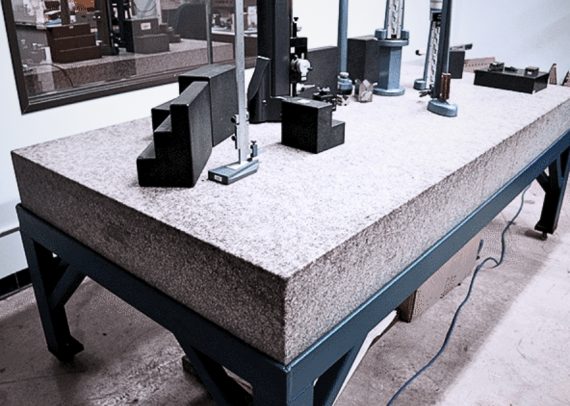
Surface plates are essential tools in manufacturing and inspection processes, providing a stable, flat reference surface for measuring and inspecting parts and assemblies. At Gulf Coast Calibration, we understand that the precision of your measurements depends significantly on the accuracy of your surface plates. In this blog post, we’ll explore the significance of surface plate calibration, the benefits it provides, and the steps involved in the calibration process.

Why Surface Plate Calibration Matters

Surface plates are used in a variety of applications, from quality control and dimensional measurement to assembly and layout work. Here’s why maintaining their accuracy through regular calibration is crucial:

1. Ensuring Measurement Accuracy

Surface plates provide a reference surface against which measurements are taken. If the surface plate is not accurately calibrated, even the most precise measuring tools will yield incorrect results. Regular calibration ensures that the surface plate maintains its flatness and accuracy, which is essential for reliable measurements.

2. Preventing Production Errors

Inaccurate measurements can lead to defects in manufactured parts, which may result in costly rework, scrap, and delays. By calibrating your surface plates, you minimize the risk of production errors and ensure that parts meet required specifications and tolerances.

3. Maintaining Quality Standards

For industries that adhere to strict quality standards and regulatory requirements, accurate surface plates are a must. Regular calibration helps ensure compliance with industry standards such as ISO 9001, AS9100, and others, demonstrating a commitment to quality and precision.

4. Extending Equipment Life

Surface plates are a significant investment, and maintaining their accuracy through regular calibration can help extend their lifespan. Proper calibration and maintenance reduce wear and tear, ensuring that the surface plate remains a valuable asset for your operation.

The Surface Plate Calibration Process

Calibrating a surface plate involves several steps to verify and adjust its accuracy. Here’s an overview of the typical calibration process:

1. Inspection and Preparation

Before calibration, the surface plate is inspected for physical damage, contamination, or wear. Any issues must be addressed to ensure accurate calibration results. The surface plate is cleaned and prepared for the calibration procedure.

2. Measurement of Surface Flatness

Using precise measurement equipment, such as a coordinate measuring machine (CMM) or precision leveling instruments, the surface plate’s flatness is assessed. This involves measuring various points across the plate to identify any deviations from the ideal flat surface.

3. Adjustment and Correction

If deviations are found, adjustments are made to the surface plate to correct the flatness. This may involve grinding or resurfacing the plate to bring it back to its specified tolerance. The adjustments are carefully monitored to ensure the surface plate meets the required accuracy.

4. Verification

After adjustments, the surface plate is re-measured to verify that the corrections have achieved the desired flatness. The results are compared to the specified tolerances to ensure that the surface plate is within acceptable limits.

5. Documentation

Detailed records of the calibration process, including measurements, adjustments, and verification results, are documented. This provides a traceable history of the surface plate’s accuracy and compliance with quality standards.

The Gulf Coast Calibration Advantage

At Gulf Coast Calibration, we offer comprehensive surface plate calibration services to ensure that your equipment delivers precise and accurate measurements. Here’s how we can support your calibration needs:

  • Expert Technicians: Our skilled technicians have the expertise and experience to calibrate surface plates with the highest level of accuracy.
  • State-of-the-Art Equipment: We use advanced measurement tools and techniques to ensure precise calibration results.
  • Comprehensive Reporting: We provide detailed calibration reports and documentation to support quality assurance and compliance efforts.
  • On-Site and Off-Site Services: We offer both on-site and off-site calibration services to accommodate your needs and minimize disruption to your operations.

Conclusion

Surface plate calibration is vital for maintaining measurement accuracy, preventing production errors, and ensuring compliance with quality standards. Regular calibration helps you achieve reliable results, extend the lifespan of your equipment, and uphold the integrity of your manufacturing processes.

At Gulf Coast Calibration, we are dedicated to providing top-quality surface plate calibration services to meet your precision needs. Contact us today to schedule your calibration and ensure that your surface plates continue to perform at their best.

Feel free to reach out for more information or to discuss your calibration requirements. Your commitment to precision starts with accurate calibration, and we’re here to help you achieve it.

Call us to discuss your calibration, test or repair needs at:
713.944.3139.

Request for Calibration Quote
Request for PPE/Glove Testing Quote
The Importance of Gas Monitor Calibration

by gcc-admin-alpha

The Importance of Gas Monitor Calibration

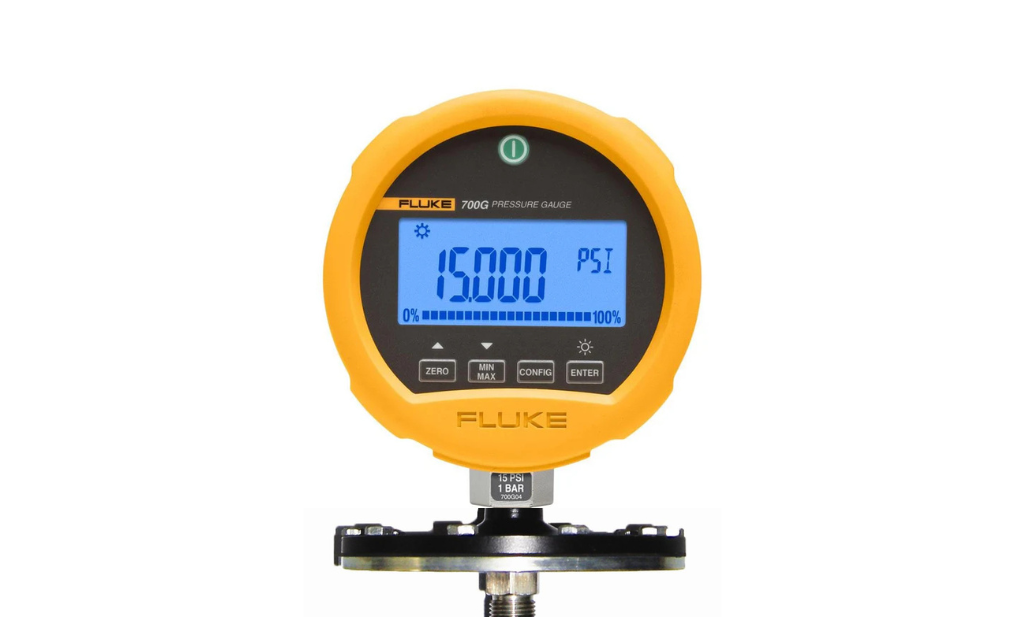
In environments where gas exposure poses a risk, such as industrial plants, laboratories, and confined spaces, gas monitors are indispensable tools for ensuring safety. At Gulf Coast Calibration, we recognize the critical role these devices play in detecting hazardous gases and maintaining a safe working environment. In this blog post, we’ll explore why regular calibration of gas monitors is essential, how it impacts safety, and the steps involved in the calibration process.

Why Gas Monitor Calibration Matters

Gas monitors are designed to detect the presence of harmful gases and provide early warnings to prevent exposure. However, the accuracy of these devices can degrade over time due to factors such as sensor drift, contamination, and environmental conditions. Here’s why regular calibration is crucial:

1. Accuracy and Reliability

Gas monitors must provide precise readings to ensure they can detect gas levels accurately. Regular calibration verifies that the device is functioning correctly and delivering reliable data. Without proper calibration, a gas monitor may give false readings, leading to undetected hazards and increased risk.

2. Compliance with Safety Standards

Many industries are required to comply with safety regulations and standards that mandate regular calibration of gas detection equipment. Adhering to these requirements not only ensures safety but also helps avoid legal and financial repercussions.

3. Protecting Human Health

Inaccurate gas detection can expose workers to harmful gases like carbon monoxide, methane, or hydrogen sulfide. Regular calibration ensures that the gas monitors are functioning optimally, protecting workers’ health and preventing potentially dangerous situations.

The Gas Monitor Calibration Process

Calibrating gas monitors involves several critical steps to ensure the devices operate at peak performance:

1. Preparation

Before calibration, it’s important to prepare the gas monitor by ensuring it is clean and in good working condition. This includes checking for any physical damage and verifying that the sensors are intact.

2. Zeroing the Device

The calibration process typically begins with zeroing the device. This step ensures that the gas monitor reads zero when no target gas is present. This is crucial for accurate detection of gas levels.

3. Applying Calibration Gas

Next, calibration gases with known concentrations are introduced to the gas monitor. The device’s response to these gases is measured and compared against the known values. This step helps to adjust the monitor’s readings to ensure accuracy.

4. Adjusting and Verifying

Based on the monitor’s response to the calibration gases, adjustments are made to align the device’s readings with the actual concentrations. After adjustments, the monitor is tested again to verify that it provides accurate readings.

5. Documentation

Finally, the calibration process is documented, including details of the gases used, calibration results, and any adjustments made. This documentation is essential for tracking the device’s performance over time and demonstrating compliance with safety regulations.

The Role of Gulf Coast Calibration

At Gulf Coast Calibration, we offer comprehensive gas monitor calibration services to ensure your equipment is functioning correctly and reliably. Our experienced technicians use state-of-the-art equipment and follow industry best practices to deliver accurate and efficient calibration. Here’s how we can assist:

  • On-Site Calibration: We provide on-site calibration services to minimize downtime and ensure that your gas monitors are calibrated in their actual working environment.
  • Regular Maintenance: Our services include regular maintenance and recalibration to keep your equipment in top condition.
  • Compliance Assurance: We help you stay compliant with industry regulations by providing detailed calibration reports and documentation.

Conclusion

Gas monitors are vital tools for maintaining a safe working environment, but their effectiveness depends on regular calibration and maintenance. By ensuring that your gas monitors are accurately calibrated, you protect your workers from harmful gases and comply with safety standards.

At Gulf Coast Calibration, we are committed to providing top-notch calibration services to keep your gas monitors performing at their best. Don’t compromise on safety—contact us today to schedule your gas monitor calibration and ensure the reliability of your safety equipment.

Feel free to reach out for more information on how we can support your safety and compliance needs.

Call us to discuss your calibration, test or repair needs at:
713.944.3139.

Request for Calibration Quote
Request for PPE/Glove Testing Quote
The Critical Importance of Testing Your PPE

by gcc-admin-alpha

The Critical Importance of Testing Your PPE

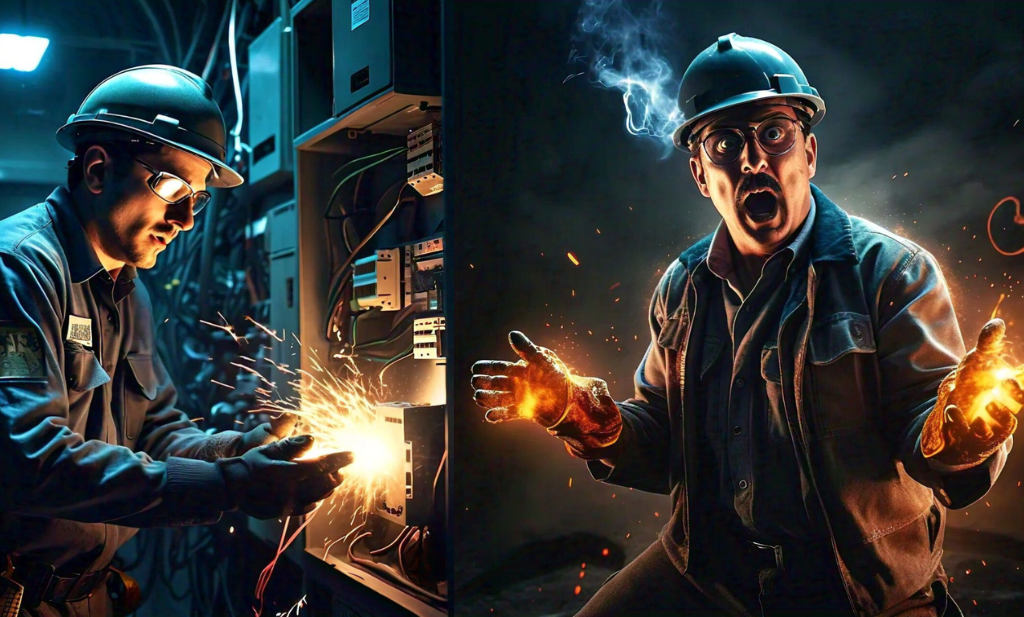
In industries where personal protective equipment (PPE) is crucial for safeguarding employees, there’s no room for compromise when it comes to safety. At Gulf Coast Calibration, we understand the critical role that PPE plays in protecting workers from hazards, and we are committed to ensuring that your safety equipment meets the highest standards of performance. In this blog post, we delve into the risks associated with inadequate PPE testing and why rigorous testing is essential for maintaining workplace safety.

The High Stakes of PPE Safety

PPE—such as gloves, arc flash suits, hot sticks, and other safety gear—is designed to protect workers from a range of hazards, including electrical shocks, burns, and other potential injuries. However, if PPE is not properly tested and maintained, it can fail when you need it most, leading to severe injuries or even fatalities. Here’s why ensuring the integrity of your PPE through regular and thorough testing is non-negotiable:

1. Gloves: The First Line of Defense

Rubber gloves are essential for electrical safety, but their effectiveness diminishes over time. Without proper testing, it’s impossible to know whether your gloves can withstand the voltage levels they’re rated for. Compromised gloves could result in dangerous electrical shocks, putting workers’ lives at risk. Our rubber glove testing services at Gulf Coast Calibration ensure that your gloves are up to standard, so you can have peace of mind knowing they’ll protect you when you need them most.

2. Arc Flash Suits: Shielding Against Explosive Energy

Arc flash suits are designed to protect workers from the intense heat and energy released during an arc flash. However, if these suits are not tested regularly, their protective qualities can degrade, rendering them ineffective. Our ARC Flash Suit Testing services help ensure that your suits will provide the necessary protection in high-risk environments.

3. Hot Sticks: Ensuring Safe Electrical Work

Hot sticks are vital tools for safely working on live electrical lines. If these tools are not tested for their insulating properties, there’s a significant risk of electrical contact, which can be fatal. Gulf Coast Calibration offers hot stick testing to confirm that your equipment is functioning correctly and providing the protection needed for safe operations.

4. High Voltage PPE Dielectric Testing: Verifying Safety Standards

High voltage PPE, including dielectric boots and sleeves, is crucial for protecting workers from electrical hazards. Regular dielectric testing ensures that these items remain effective and meet industry standards. By conducting thorough testing, we help you avoid the risks associated with PPE failures, which could lead to serious injuries or electrical incidents.

The Consequences of Neglecting PPE Testing

The implications of not regularly testing PPE are severe. Here are some of the potential risks:

  • Increased Risk of Injury or Death: Inadequate PPE testing can lead to equipment failure during critical moments, exposing workers to potentially fatal hazards.
  • Legal and Financial Repercussions: Non-compliance with safety standards can result in hefty fines, legal action, and damage to your company’s reputation.
  • Operational Downtime: Accidents caused by PPE failures can lead to costly downtime and disruptions in operations.

Why Choose Gulf Coast Calibration?

At Gulf Coast Calibration, we specialize in providing comprehensive testing services for PPE and calibration of various tools and equipment. Our expertise ensures that your safety gear is thoroughly tested and meets the highest industry standards. From rubber glove testing to high voltage PPE dielectric testing, we offer a full suite of services designed to keep your workplace safe and compliant.

Our Services Include:

  • Rubber Glove Testing: To confirm the insulation and performance of electrical gloves.
  • PPE Rotation Program: Ensuring that PPE is regularly tested and rotated to maintain safety standards.
  • Grounding Cable Testing: To verify the effectiveness of grounding systems.
  • ARC Flash Suit Testing: Ensuring suits provide the necessary protection against arc flash incidents.
  • Hot Sticks Testing: Validating the insulating properties of hot sticks.
  • High Voltage PPE Dielectric Testing: To ensure high voltage PPE is effective in protecting against electrical hazards.

Conclusion

When it comes to workplace safety, cutting corners is not an option. Regular and thorough testing of PPE is essential to protect your employees and ensure compliance with safety regulations. At Gulf Coast Calibration, we are dedicated to providing top-notch testing and calibration services to help you maintain the highest standards of safety.

Don’t compromise on safety. Contact us today to schedule your PPE testing and keep your workforce protected against the hazards they face every day.

Call us to discuss your calibration, test or repair needs at:
713.944.3139.

Request for Calibration Quote
Request for PPE/Glove Testing Quote
Gulf Coast Calibration’s On-Site Calibration Services

by gcc-admin-alpha

Gulf Coast Calibration’s On-Site Calibration Services

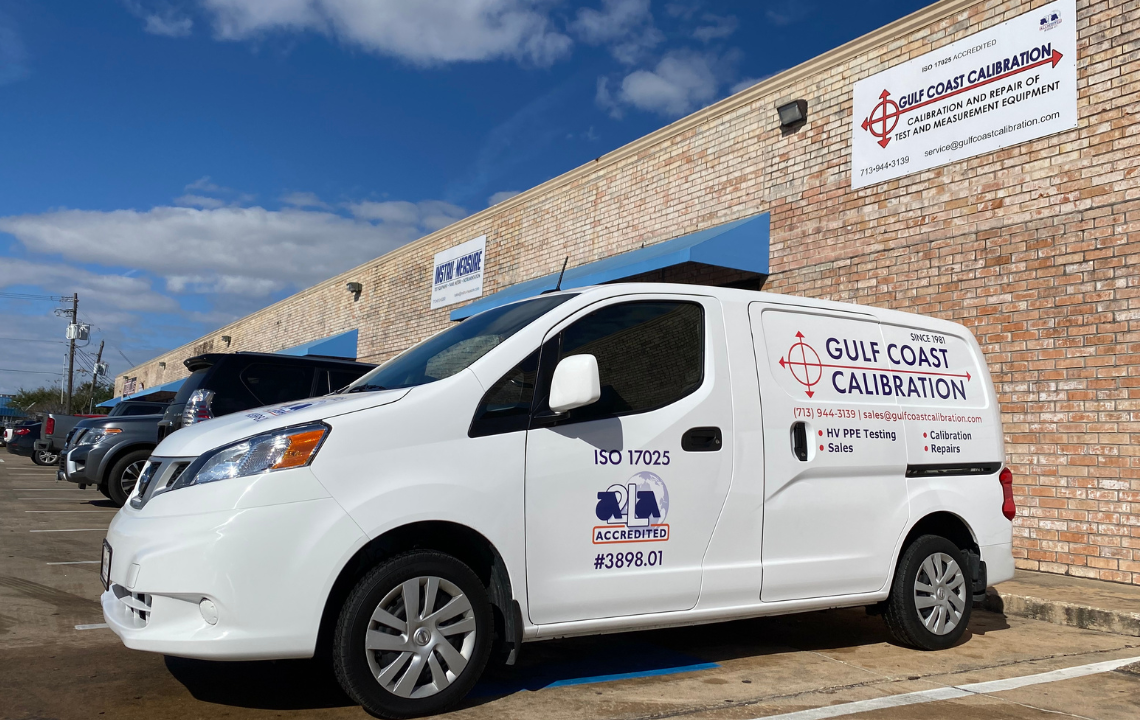
In today’s fast-paced industries, accuracy is not just a preference—it’s a necessity. Whether you’re dealing with surface plates in a machine shop, gas monitors in a hazardous environment, or torque tools in assembly lines, maintaining precise measurements is crucial. At Gulf Coast Calibration, we understand the importance of reliability and precision in your operations, which is why we offer comprehensive on-site calibration services for a wide range of tools and instruments.

Why Choose On-Site Calibration?

On-site calibration provides you with several advantages:

  1. Minimized Downtime: No need to send equipment off-site, which means your tools stay where they’re needed most—on the job.
  2. Convenience: Our team comes to you, reducing the logistics and hassle associated with shipping sensitive instruments.
  3. Immediate Results: Any issues identified during calibration can be addressed on the spot, keeping your operations running smoothly.

Let’s take a closer look at the specific services we offer:

Surface Plate Calibration

Surface plates are the foundation of accurate dimensional measurements in machining and manufacturing. Over time, these plates can develop wear spots and lose their flatness, leading to measurement inaccuracies. Our expert technicians use high-precision instruments to assess and correct any deviations in flatness, ensuring your surface plates meet the stringent standards required for precision work.

Dimensional Tools Calibration

Dimensional tools like calipers, micrometers, and gauges are essential for maintaining tight tolerances in manufacturing processes. We calibrate these tools against traceable standards, ensuring that every measurement you take is as accurate as possible. Whether it’s verifying the accuracy of a micrometer or calibrating a set of gauge blocks, our team ensures your tools meet or exceed industry standards.

Electrical Tools Calibration

Electrical tools, such as multimeters, insulation testers, and oscilloscopes, require precise calibration to ensure accurate readings. Inaccuracies in electrical measurements can lead to costly errors, especially in industries like aerospace, defense, and telecommunications. Our on-site calibration services include testing and adjusting these instruments to ensure they provide reliable and accurate data, which is crucial for maintaining safety and performance in your electrical systems.

Gas Monitors Calibration

Gas monitors are critical for ensuring safety in environments where toxic or flammable gases may be present. Regular calibration is necessary to ensure these monitors detect gas levels accurately, preventing potential health hazards or explosions. Our technicians calibrate gas monitors on-site, using specialized equipment to test and adjust sensors, ensuring they respond correctly to different gas concentrations.

Pressure Gauge Calibration

Pressure gauges are widely used in industries such as oil and gas, chemical processing, and manufacturing. Accurate pressure readings are essential for maintaining process safety and efficiency. We offer on-site calibration for a variety of pressure gauges, from simple dial gauges to complex digital pressure transducers. Our calibration process ensures that your pressure instruments provide reliable and precise measurements, helping you avoid process disruptions and maintain safety standards.

Temperature Tools Calibration

Temperature control is vital in industries ranging from food processing to pharmaceuticals. Thermocouples, RTDs, and infrared thermometers must be calibrated regularly to ensure accurate temperature readings. Our team calibrates these instruments using traceable temperature standards, ensuring that your temperature measurements are reliable and consistent, which is critical for quality control and regulatory compliance.

Torque Tools Calibration

In assembly and manufacturing, the correct application of torque is crucial to the integrity of the final product. Misapplied torque can lead to product failure or safety issues. We calibrate torque wrenches, screwdrivers, and other torque tools on-site, ensuring they deliver the correct amount of force every time. This not only guarantees product quality but also helps prevent costly rework and warranty claims.

Conclusion

At Gulf Coast Calibration, we’re committed to helping you maintain the accuracy and reliability of your tools and instruments. Our on-site calibration services are designed to minimize downtime, maximize convenience, and ensure that your equipment meets the highest standards of precision. Whether you need calibration for surface plates, dimensional tools, electrical tools, gas monitors, pressure gauges, temperature tools, or torque tools, we’ve got you covered.

Keep your operations running smoothly and your measurements precise—trust Gulf Coast Calibration for all your calibration needs. Contact us today to schedule your on-site calibration service.

Call us to discuss your calibration, test or repair needs at:
713.944.3139.

Request for Calibration Quote
Request for PPE/Glove Testing Quote
Get 10% Off Your First Calibration and Test Services

by gcc-admin-alpha

Get 10% Off Your First Calibration and Test Services

Are you looking for a reliable and affordable calibration and test service provider in the Gulf Coast region? If so, you’re in luck! Gulf Coast Calibration is offering a 10% discount on your first calibration and test services when you sign up with us.

Gulf Coast Calibration is a leading calibration and test service provider that specializes in electrical, mechanical, dimensional, and environmental calibration and testing. We have a team of experienced and certified technicians who can handle any calibration and test challenge you may have. Whether you need to calibrate your instruments, test your products, or verify your compliance, we can help you achieve your quality goals.

We offer a wide range of calibration and test services, including:

  • Electrical calibration and testing: We can calibrate and test your electrical equipment, such as multimeters, oscilloscopes, power supplies, clamp meters, and more. We can also perform electrical safety testing, EMC testing, and ESD testing to ensure your products meet the relevant standards and regulations.
  • Mechanical calibration and testing: We can calibrate and test your mechanical equipment, such as torque wrenches, pressure gauges, micrometers, calipers, and more. We can also perform mechanical stress testing, vibration testing, and shock testing to evaluate the performance and durability of your products.
  • Dimensional calibration and testing: We can calibrate and test your dimensional equipment, such as rulers, scales, tape measures, and more. We can also perform dimensional inspection, metrology, and CMM measurement to verify the accuracy and precision of your products.
  • Environmental calibration and testing: We can calibrate and test your environmental equipment, such as thermometers, hygrometers, anemometers, and more. We can also perform environmental simulation, climatic testing, and corrosion testing to assess the impact of various environmental conditions on your products.

At Gulf Coast Calibration, we are committed to providing you with the best calibration and test services in the industry. We use state-of-the-art equipment, follow ISO 17025 accredited procedures, and deliver fast and accurate results. We also offer flexible scheduling, competitive pricing, and excellent customer service.

If you want to take advantage of our 10% discount offer, all you have to do is fill out this Quote Form and we will get in touch with you shortly. Don’t miss this opportunity to save money and improve your quality with Gulf Coast Calibration. Contact us today and let us take care of your calibration and test needs.

Request for Calibration Quote
Request for PPE/Glove Testing Quote
Gas Detector Calibration

by gcc-admin-alpha

Gas Detector Calibration in Houston, TX

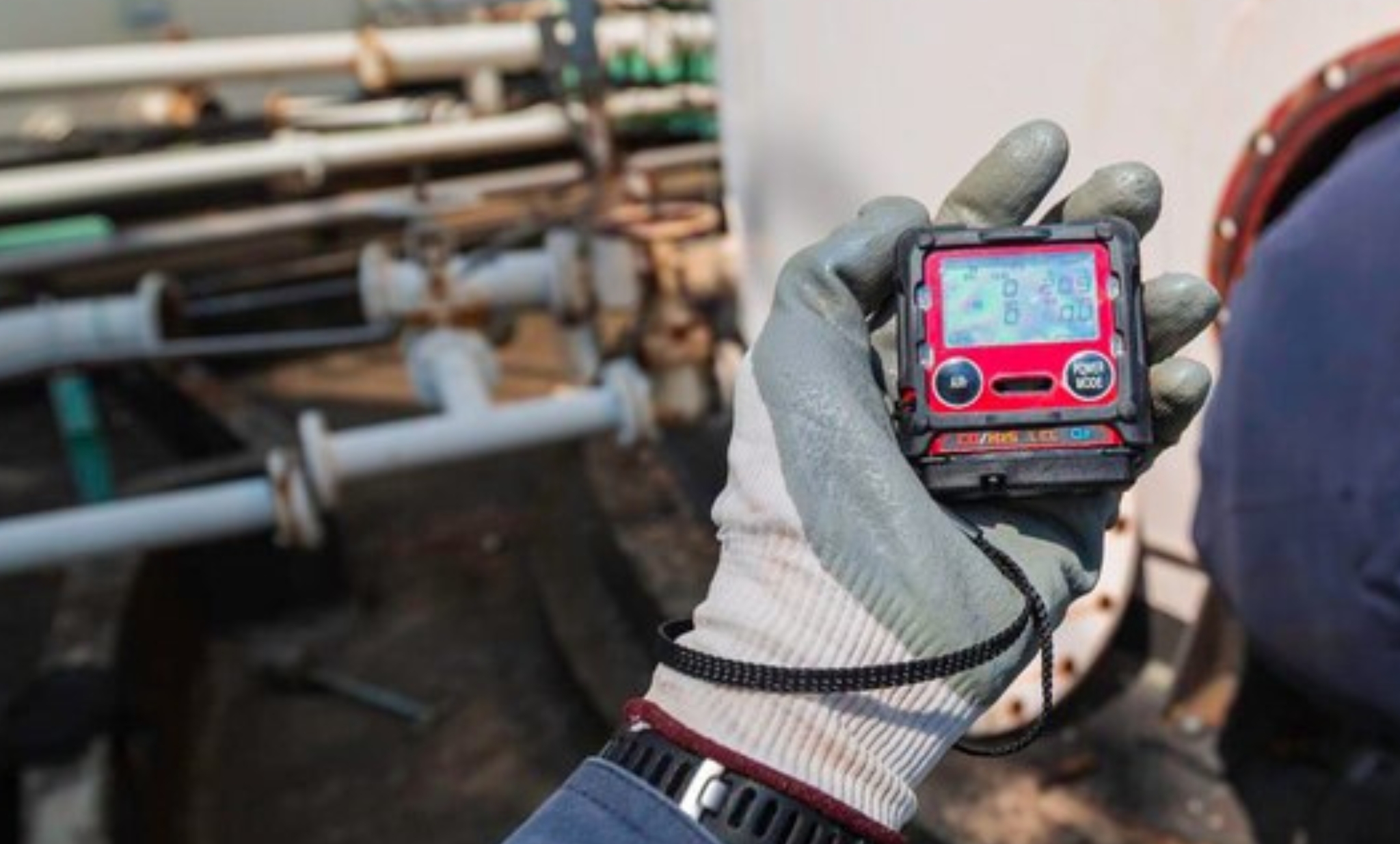
Gulf Coast Calibration is a leading provider of gas detector calibration services in Houston, TX. With years of experience and expertise in the industry, Gulf Coast Calibration offers reliable and accurate calibration solutions for a wide range of gas detectors.

Why is Gas Detector Calibration Important?

Gas detectors play a crucial role in ensuring the safety of workers in various industries, including oil and gas, manufacturing, and construction. These devices are designed to detect the presence of hazardous gases and alert individuals to potential dangers. However, for gas detectors to function effectively, regular calibration is essential.

Calibration is the process of adjusting and verifying the accuracy of a gas detector’s sensors and alarms. It ensures that the device is capable of detecting gas concentrations within the required range and provides timely and reliable warnings. Without proper calibration, gas detectors may fail to detect hazardous gases, leading to serious consequences.

The Importance of Professional Gas Detector Calibration

When it comes to gas detector calibration, it is crucial to rely on the expertise of professionals like Gulf Coast Calibration. Here’s why:

1. Accuracy and Reliability: Professional calibration ensures that your gas detectors are accurately calibrated to detect even the smallest concentrations of hazardous gases. This accuracy is vital for the safety of workers and the prevention of potential accidents.

2. Compliance with Regulations: Many industries have strict regulations and standards regarding gas detector calibration. Professional calibration services, like Gulf Coast Calibration, ensure that your devices meet these requirements, keeping you in compliance with industry regulations.

3. Expert Knowledge: Gulf Coast Calibration has extensive knowledge and expertise in gas detector calibration. Their technicians are trained to calibrate a wide range of gas detectors, ensuring that your devices are in capable hands.

Gulf Coast Calibration is proud to offer gas detector calibration services in Houston, TX, and the surrounding areas. Their state-of-the-art calibration facility is equipped with advanced tools and equipment to provide accurate and reliable calibration services.

Whether you need calibration for portable gas detectors, fixed gas detection systems, or multi-gas monitors, Gulf Coast Calibration has you covered. Their team of experts follows industry best practices and standards to ensure the highest level of calibration accuracy.

By choosing Gulf Coast Calibration for your gas detector calibration needs, you can have peace of mind knowing that your devices are in the hands of professionals who prioritize safety and accuracy.

Request for Calibration Quote
Request for PPE/Glove Testing Quote