
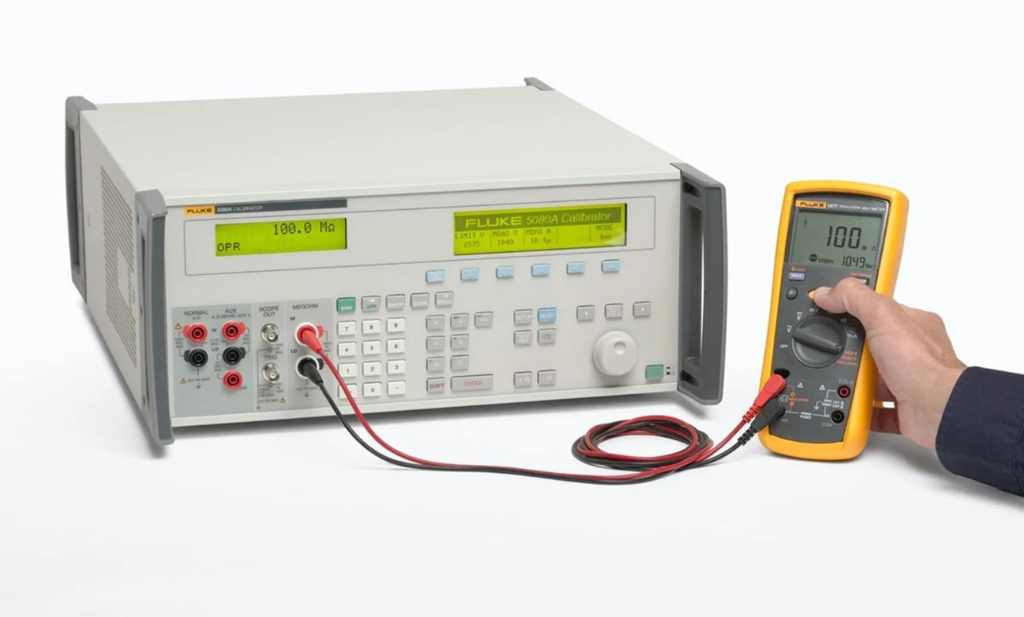
The Benefits of Regular Calibration

by gcc-admin-alpha

The Benefits of Regular Calibration

Calibration is the process of standardizing or adapting measurement equipment to obtain more accurate results. It is essential to calibrate your equipment regularly to ensure that it is accurate and reliable. In this blog post, we will discuss the benefits of regular calibration.

1. Improved Accuracy

Over time, the accuracy of any measuring device will begin to decline. Typically, this reduction in accuracy is due to normal wear and tear of the various components but may also be due to a harmful environment or mechanical or electrical shock. The attenuation factor of the measurement equipment may vary depending on the environment and type. Due to this decline in measurement accuracy, organizations with measurement equipment prefer to calibrate on a regular basis. By calibrating your equipment, you are giving it the accuracy it needs to do its job properly.

2. Increased Safety

When you use calibration equipment for critical processes, safety is paramount. Even minor inaccuracies can cause the device to malfunction or give false information about how safe something is, leading to injury or damage to the equipment. Regular calibration of the equipment enables accurate measurements to be obtained and hazardous situations to be avoided.

3. Cost Savings

Calibration can help you save money in the long run. By calibrating your equipment regularly, you can identify potential problems before they become major issues. This can help you avoid costly repairs or replacements down the line. Additionally, calibration can help you reduce waste and improve efficiency, which can lead to significant cost savings.

4. Compliance with Regulations

Many industries have regulations that require equipment to be calibrated regularly. By calibrating your equipment, you can ensure that you are in compliance with these regulations. This can help you avoid fines and other penalties.

5. Improved Product Quality

Calibration of the measuring devices ensures that a high level of product quality is maintained. The reason for calibrating the hardware is reliability. When you calibrate your instruments regularly, you know your measuring device is accurate and will read your command according to other measuring devices. Calibration is essential if you care about the accuracy and consistency of your measuring instruments.

In conclusion, regular calibration of your equipment is essential to ensure that it is accurate, reliable, and safe. It can help you save money, improve product quality, and ensure compliance with regulations. If you need help with calibration, Gulf Coast Calibration (GCC) can help. GCC provides calibration services for a wide range of equipment, including electrical, mechanical, and dimensional equipment1

1Gulf Coast Calibration (GCC) provides calibration services for a wide range of equipment, including electrical, mechanical, and dimensional equipment.

Request for Calibration Quote
Request for PPE/Glove Testing Quote
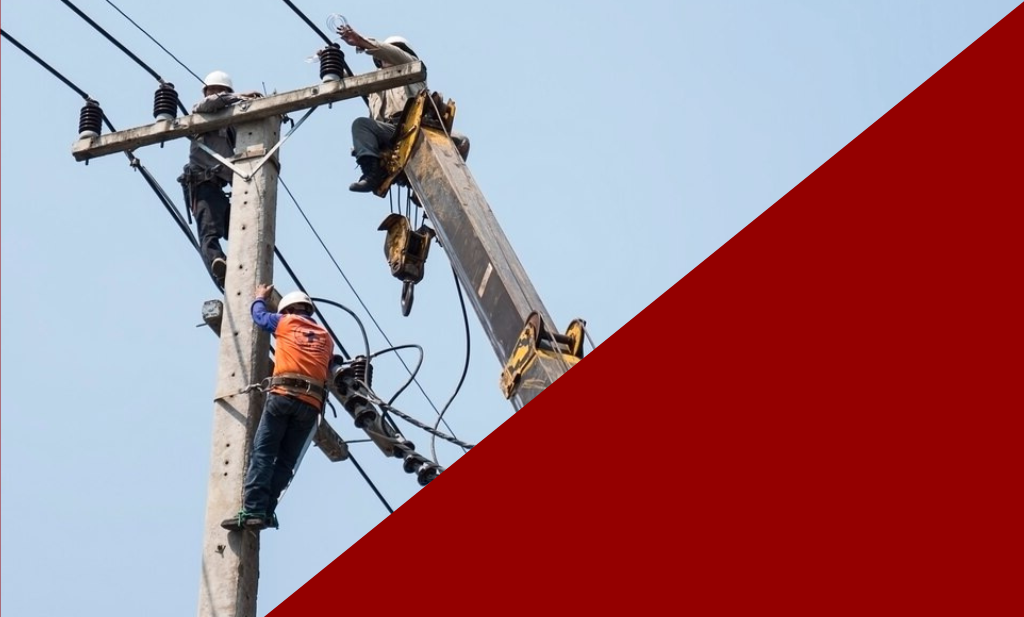
High Voltage PPE Dielectric Testing

by gcc-admin-alpha

Ensuring Safety and Compliance with High Voltage PPE Dielectric Testing


Introduction

When working in high-voltage environments, safety is non-negotiable. Personal Protective Equipment (PPE) designed for high voltage must perform under the most challenging conditions. At Gulf Coast Calibration, we understand the critical importance of high voltage PPE dielectric testing. Our service ensures that your protective gear not only meets industry standards but also provides the necessary protection to keep workers safe on the job.

Why High Voltage PPE Dielectric Testing Matters

High voltage PPE, including gloves, sleeves, blankets, and other insulating equipment, serves as the first line of defense against electrical hazards. Over time, even the best equipment can degrade, develop defects, or suffer from wear and tear. These issues can compromise the insulating properties of the gear, putting workers at risk of electric shock or other serious injuries.

Regular dielectric testing is essential to verify the integrity of your PPE. This testing checks for any weaknesses in the insulation that could lead to electrical failure. By conducting these tests, you can ensure that your PPE is in optimal condition, providing reliable protection against high-voltage hazards.

What is Dielectric Testing?

Dielectric testing is a method used to assess the electrical insulation strength of PPE. This involves applying a high voltage to the equipment and monitoring its performance under controlled conditions. The test measures the equipment’s ability to withstand the voltage without breaking down or allowing current to pass through.

During the test, PPE is exposed to voltages significantly higher than what it would encounter in everyday use. This rigorous testing process helps identify any potential points of failure, ensuring that the equipment will perform as expected in real-world scenarios.

Our High Voltage PPE Dielectric Testing Process

At Gulf Coast Calibration, we follow a meticulous process to ensure the highest level of accuracy and reliability in our dielectric testing services:

  1. Inspection and Preparation: Before testing, we conduct a thorough visual inspection of the PPE to identify any visible signs of damage, wear, or contamination. Any issues found during this inspection are documented and addressed before proceeding with the dielectric test.

  2. Dielectric Testing: Using state-of-the-art testing equipment, we apply high voltage to the PPE according to industry standards. The equipment is carefully monitored throughout the test to detect any signs of electrical breakdown or failure.

  3. Evaluation: After testing, we evaluate the results to determine whether the PPE meets the required safety standards. Equipment that passes the test is certified as safe for use, while any equipment that fails is recommended for repair or replacement.

  4. Documentation: We provide detailed documentation of the testing process, including the test results, inspection findings, and any recommendations for maintenance or replacement. This documentation is essential for compliance with safety regulations and provides a record of the PPE’s performance.

Why Choose Gulf Coast Calibration?

At Gulf Coast Calibration, we pride ourselves on delivering reliable, accurate, and timely high voltage PPE dielectric testing services. Here’s why clients trust us:

  • Expertise: Our team consists of highly trained technicians with extensive experience in dielectric testing and PPE safety standards.

  • Advanced Equipment: We utilize cutting-edge testing equipment that ensures precise and reliable results.

  • Compliance: We stay up-to-date with the latest industry standards and regulations, ensuring that your PPE meets all necessary safety requirements.

  • Customer Focus: We understand the critical nature of PPE in high-voltage environments, and we are committed to providing exceptional service that supports your safety goals.

Conclusion

Safety in high-voltage work environments starts with reliable PPE, and ensuring that reliability begins with comprehensive dielectric testing. At Gulf Coast Calibration, we’re dedicated to helping you protect your workforce by offering top-tier high voltage PPE dielectric testing services. Trust us to keep your equipment—and your team—safe.

Request for Calibration Quote
Request for PPE/Glove Testing Quote
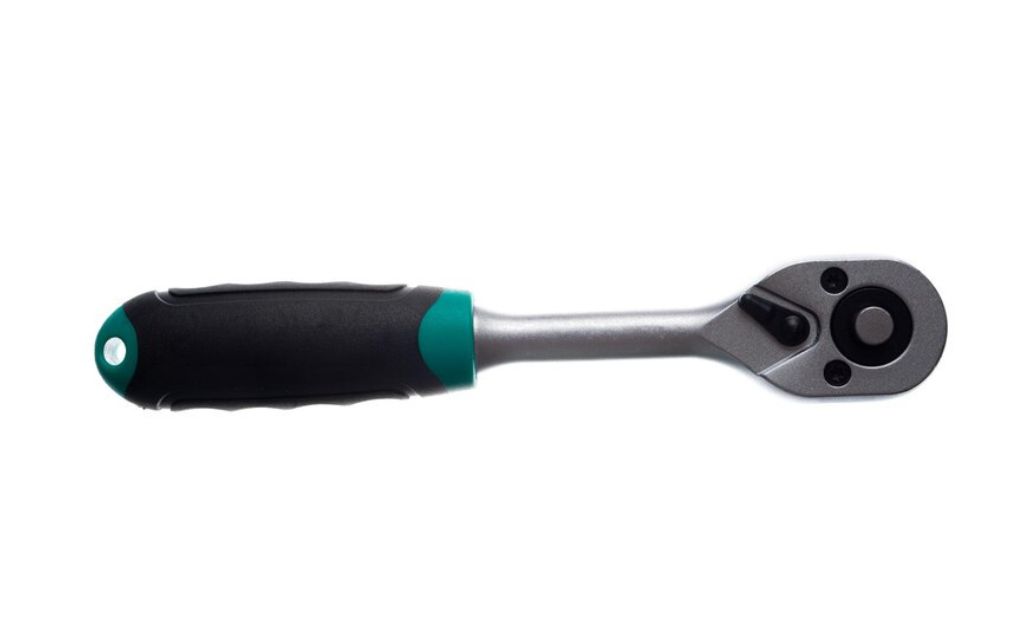
The Benefits of Torque Tool Calibration

by gcc-admin-alpha

The Benefits of Torque Tool Calibration

Introduction

Calibration might not be the most glamorous topic, but it plays a crucial role in ensuring precision, safety, and quality across various industries. Let’s dive into what torque calibration is, why it matters, and which sectors benefit the most from this essential process.

What Is Torque Calibration?

Torque is the measurement of rotational force around an axis. Imagine unscrewing a bottle cap – that twisting motion you apply involves torque. Now, consider the scenario where you overtighten the cap, and it becomes stuck. In this case, you’ve applied too much torque. Torque calibration ensures that tools apply the correct amount of torque, preventing under-tightening or over-tightening.

Why Is Torque Calibration Important?

1. Consistency and Quality Assurance:

  • Torque calibration guarantees that tools consistently meet the exact torque requirements. Whether you’re assembling cars, electronics, or machinery, maintaining consistent torque ensures product quality.
  • Assembly lines producing thousands of items daily rely on well-calibrated torque tools to avoid defects and ensure uniformity.

2. Time and Cost Savings:

  • Properly calibrated torque tools save time, money, and materials. When fasteners are tightened accurately, there’s no need for rework or warranty claims due to faulty products.
  • In large-scale operations, these savings add up significantly.

3. Safety and Compliance:

  • Industries like automotive, aviation, and defense demand precise torque calibration. Legal health and safety compliance mandates accurate torque settings for fasteners and joints.
  • Imagine the consequences of an inadequately tightened aircraft component – it could be catastrophic.

Industries Benefiting from Torque Calibration

  1. Automotive Industry:

    • From engine assembly to chassis construction, torque calibration ensures vehicle components are securely fastened.
    • Accurate torque prevents issues like loose bolts or stripped threads.
  2. Aviation Industry:

    • Aircraft safety relies on properly calibrated torque tools. Fasteners on wings, landing gear, and engines must meet exact specifications.
    • Torque calibration helps prevent mid-flight failures.
  3. Engineering Sector:

    • In various engineering applications, torque calibration ensures precise assembly and maintenance.
    • Whether it’s civil engineering, structural design, or industrial machinery, well-calibrated torque tools enhance reliability.

Conclusion

Next time you tighten a bolt or fasten a critical component, remember the unsung hero – torque calibration. It quietly ensures that our world keeps turning, one precisely calibrated rotation at a time.

Request for Calibration Quote
Request for PPE/Glove Testing Quote
Electrical Calibration: A Vital Safeguard Against Electrocution

by gcc-admin-alpha

Electrical Calibration: A Vital Safeguard Against Electrocution

Introduction

Electrocution is a grave hazard that lurks in workplaces, threatening the safety of workers across various industries. At Gulf Coast Calibration, we recognize the critical importance of preventing electrical accidents. Our specialized electrical calibration and repair services play a pivotal role in safeguarding lives and ensuring a secure work environment.

Understanding Electrocution in the Workplace

Electrocution occurs when a worker is accidentally shocked by electricity, leading to injury or even death. It’s one of OSHA’s “fatal four,” emphasizing its severity. Whether on construction sites, in factories, or office spaces, exposure to electricity poses risks. Faulty equipment, inadequate training, and non-compliance with safety protocols contribute to this peril.

The Role of Electrical Calibration

1. Ensuring Accurate Measurements

Electrical instruments must provide precise measurements to prevent mishaps. Our calibration services meticulously verify the accuracy of voltmeters, ammeters, and other devices. By calibrating regularly, we minimize measurement errors, reducing the chances of faulty readings that could lead to dangerous situations.

2. Detecting Faults Early

Faulty equipment is a breeding ground for electrocution risks. Our calibration process includes thorough inspections, identifying any deviations from expected performance. Early detection of faults allows timely repairs, preventing potential hazards.

3. Proper Grounding

Grounding is crucial for electrical safety. Our calibration experts ensure that all equipment is properly grounded. A low-resistance path connecting to the earth prevents voltage buildup, minimizing the risk of electric shock incidents.

4. Compliance with Safety Standards

Calibration ensures adherence to safety standards. We follow industry guidelines and OSHA regulations, ensuring that equipment operates within safe limits. Compliance reduces the likelihood of electrical accidents.

Repair Services: Addressing Vulnerabilities

1. Timely Repairs

When faults are detected during calibration, our repair services kick into action. Whether it’s faulty wiring, damaged insulation, or malfunctioning components, we address issues promptly. Timely repairs prevent potential electrocution scenarios.

2. Equipment Upgrades

Outdated or worn-out equipment poses risks. Our repair services include upgrades, replacing obsolete components with modern, safer alternatives. Upgraded equipment enhances workplace safety.

3. Expert Technicians

Our skilled technicians handle repairs with precision. From fixing frayed cables to replacing faulty circuitry, their expertise ensures that equipment operates optimally, minimizing electrocution risks.

Conclusion

At Gulf Coast Calibration, we take pride in our role as electrical safety guardians. Through meticulous calibration and timely repairs, we contribute to preventing electrocution in workplaces. Remember, safety isn’t an option—it’s a necessity. Let’s work together to keep our workforce safe and secure.

Request for Calibration Quote
Request for PPE/Glove Testing Quote
What is a Calibration Certificate?

by gcc-admin-alpha

What is a Calibration Certificate and Why Do You Need One?

If you use any kind of measurement device or equipment in your work, you know how important it is to ensure its accuracy and reliability. Whether you are measuring pressure, temperature, torque, or dimension, you need to have confidence that your results are correct and consistent. That is why calibration is essential for any measurement device or equipment.

Calibration is the process of comparing a measurement device or equipment to a known reference standard, and adjusting it if necessary to match the reference. Calibration ensures that your device or equipment is performing within its specifications and meets the requirements of your industry standards and regulations.

But how do you prove that your device or equipment is calibrated and accurate? That is where a calibration certificate comes in.

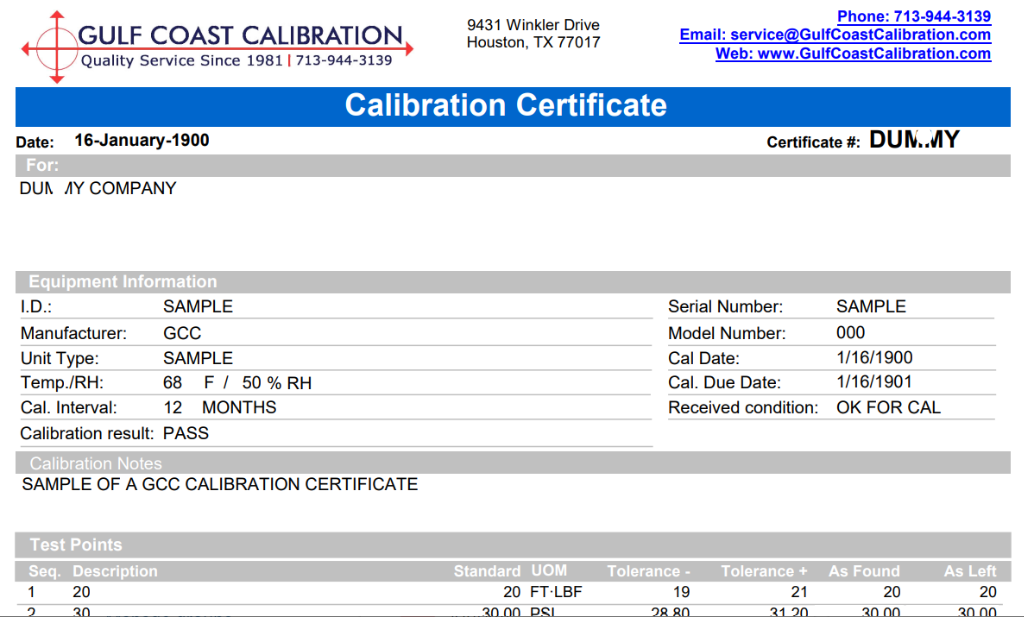
A calibration certificate is a document that provides information about the calibration of a device or equipment. It validates the accuracy and traceability of the device or equipment to a national or international standard. A calibration certificate is issued by a calibration laboratory that is accredited by a recognized accreditation body, such as ISO 17025.

A calibration certificate typically contains the following information:

  • The name and address of the calibration laboratory and the accreditation body
  • The name and address of the customer and the device or equipment owner
  • The identification and description of the device or equipment, such as model, serial number, and manufacturer
  • The date and location of the calibration
  • The environmental conditions during the calibration, such as temperature and humidity
  • The reference standards and instruments used for the calibration, and their traceability to national or international standards
  • The calibration results and uncertainties, and the units of measurement
  • The calibration method and procedure
  • The name, signature, and qualification of the person who performed the calibration
  • A statement that the calibration results are valid only for the device or equipment identified in the certificate

A calibration certificate is a valuable document that demonstrates the quality and reliability of your device or equipment. It can help you to:

  • Comply with industry standards and regulations, such as ISO 9001, OSHA, ASTM, and ANSI
  • Meet customer expectations and requirements
  • Enhance your reputation and credibility
  • Reduce errors and risks
  • Improve efficiency and productivity
  • Save time and money

At Gulf Coast Calibration, we provide high-quality calibration services and certificates for a wide range of measurement devices and equipment. We are accredited by QMS Global under ISO 17025, and we follow the best practices and guidelines for calibration certificate preparation. We have the expertise, experience, and equipment to calibrate your devices and equipment with accuracy and precision. We also offer fast turnaround times, competitive prices, and excellent customer service.

If you need calibration services and certificates for your devices and equipment, contact us today. We are ready to serve you and help you achieve your measurement goals. Get 10% off your first calibration or testing service with us! 

Request for Calibration Quote
Request for PPE/Glove Testing Quote

Get 10% Off Your First Calibration and Test Services

by gcc-admin-alpha

Get 10% Off Your First Calibration and Test Services

Are you looking for a reliable and affordable calibration and test service provider in the Gulf Coast region? If so, you’re in luck! Gulf Coast Calibration is offering a 10% discount on your first calibration and test services when you sign up with us.

Gulf Coast Calibration is a leading calibration and test service provider that specializes in electrical, mechanical, dimensional, and environmental calibration and testing. We have a team of experienced and certified technicians who can handle any calibration and test challenge you may have. Whether you need to calibrate your instruments, test your products, or verify your compliance, we can help you achieve your quality goals.

We offer a wide range of calibration and test services, including:

  • Electrical calibration and testing: We can calibrate and test your electrical equipment, such as multimeters, oscilloscopes, power supplies, clamp meters, and more. We can also perform electrical safety testing, EMC testing, and ESD testing to ensure your products meet the relevant standards and regulations.
  • Mechanical calibration and testing: We can calibrate and test your mechanical equipment, such as torque wrenches, pressure gauges, micrometers, calipers, and more. We can also perform mechanical stress testing, vibration testing, and shock testing to evaluate the performance and durability of your products.
  • Dimensional calibration and testing: We can calibrate and test your dimensional equipment, such as rulers, scales, tape measures, and more. We can also perform dimensional inspection, metrology, and CMM measurement to verify the accuracy and precision of your products.
  • Environmental calibration and testing: We can calibrate and test your environmental equipment, such as thermometers, hygrometers, anemometers, and more. We can also perform environmental simulation, climatic testing, and corrosion testing to assess the impact of various environmental conditions on your products.

At Gulf Coast Calibration, we are committed to providing you with the best calibration and test services in the industry. We use state-of-the-art equipment, follow ISO 17025 accredited procedures, and deliver fast and accurate results. We also offer flexible scheduling, competitive pricing, and excellent customer service.

If you want to take advantage of our 10% discount offer, all you have to do is fill out this Quote Form and we will get in touch with you shortly. Don’t miss this opportunity to save money and improve your quality with Gulf Coast Calibration. Contact us today and let us take care of your calibration and test needs.

Request for Calibration Quote
Request for PPE/Glove Testing Quote