
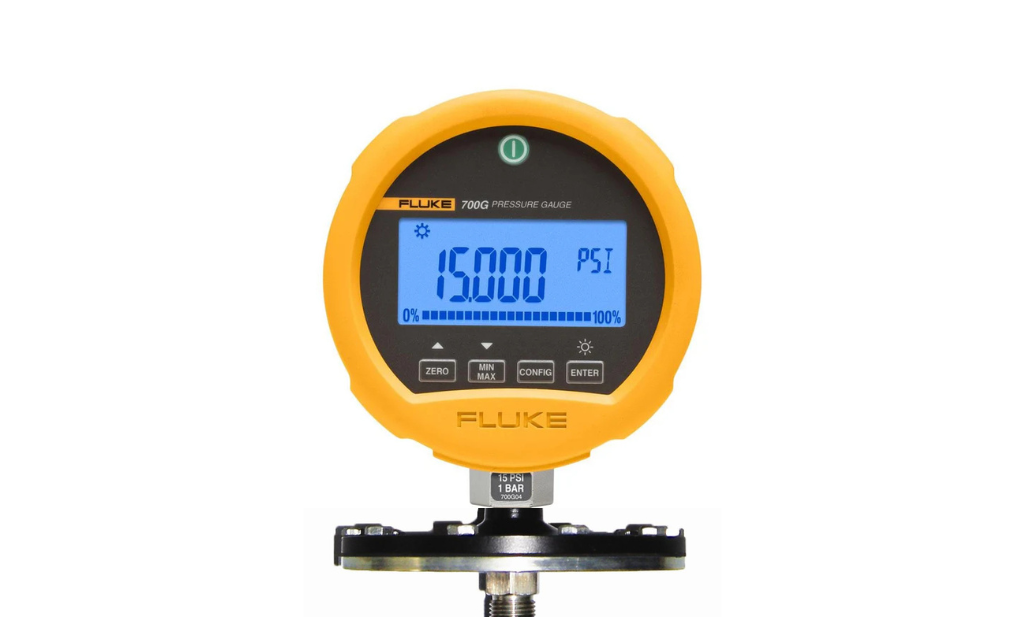
The Importance of Gas Monitor Calibration

by gcc-admin-alpha

The Importance of Gas Monitor Calibration

In environments where gas exposure poses a risk, such as industrial plants, laboratories, and confined spaces, gas monitors are indispensable tools for ensuring safety. At Gulf Coast Calibration, we recognize the critical role these devices play in detecting hazardous gases and maintaining a safe working environment. In this blog post, we’ll explore why regular calibration of gas monitors is essential, how it impacts safety, and the steps involved in the calibration process.

Why Gas Monitor Calibration Matters

Gas monitors are designed to detect the presence of harmful gases and provide early warnings to prevent exposure. However, the accuracy of these devices can degrade over time due to factors such as sensor drift, contamination, and environmental conditions. Here’s why regular calibration is crucial:

1. Accuracy and Reliability

Gas monitors must provide precise readings to ensure they can detect gas levels accurately. Regular calibration verifies that the device is functioning correctly and delivering reliable data. Without proper calibration, a gas monitor may give false readings, leading to undetected hazards and increased risk.

2. Compliance with Safety Standards

Many industries are required to comply with safety regulations and standards that mandate regular calibration of gas detection equipment. Adhering to these requirements not only ensures safety but also helps avoid legal and financial repercussions.

3. Protecting Human Health

Inaccurate gas detection can expose workers to harmful gases like carbon monoxide, methane, or hydrogen sulfide. Regular calibration ensures that the gas monitors are functioning optimally, protecting workers’ health and preventing potentially dangerous situations.

The Gas Monitor Calibration Process

Calibrating gas monitors involves several critical steps to ensure the devices operate at peak performance:

1. Preparation

Before calibration, it’s important to prepare the gas monitor by ensuring it is clean and in good working condition. This includes checking for any physical damage and verifying that the sensors are intact.

2. Zeroing the Device

The calibration process typically begins with zeroing the device. This step ensures that the gas monitor reads zero when no target gas is present. This is crucial for accurate detection of gas levels.

3. Applying Calibration Gas

Next, calibration gases with known concentrations are introduced to the gas monitor. The device’s response to these gases is measured and compared against the known values. This step helps to adjust the monitor’s readings to ensure accuracy.

4. Adjusting and Verifying

Based on the monitor’s response to the calibration gases, adjustments are made to align the device’s readings with the actual concentrations. After adjustments, the monitor is tested again to verify that it provides accurate readings.

5. Documentation

Finally, the calibration process is documented, including details of the gases used, calibration results, and any adjustments made. This documentation is essential for tracking the device’s performance over time and demonstrating compliance with safety regulations.

The Role of Gulf Coast Calibration

At Gulf Coast Calibration, we offer comprehensive gas monitor calibration services to ensure your equipment is functioning correctly and reliably. Our experienced technicians use state-of-the-art equipment and follow industry best practices to deliver accurate and efficient calibration. Here’s how we can assist:

  • On-Site Calibration: We provide on-site calibration services to minimize downtime and ensure that your gas monitors are calibrated in their actual working environment.
  • Regular Maintenance: Our services include regular maintenance and recalibration to keep your equipment in top condition.
  • Compliance Assurance: We help you stay compliant with industry regulations by providing detailed calibration reports and documentation.

Conclusion

Gas monitors are vital tools for maintaining a safe working environment, but their effectiveness depends on regular calibration and maintenance. By ensuring that your gas monitors are accurately calibrated, you protect your workers from harmful gases and comply with safety standards.

At Gulf Coast Calibration, we are committed to providing top-notch calibration services to keep your gas monitors performing at their best. Don’t compromise on safety—contact us today to schedule your gas monitor calibration and ensure the reliability of your safety equipment.

Feel free to reach out for more information on how we can support your safety and compliance needs.

Call us to discuss your calibration, test or repair needs at:
713.944.3139.

Request for Calibration Quote
Request for PPE/Glove Testing Quote
The Critical Importance of Testing Your PPE

by gcc-admin-alpha

The Critical Importance of Testing Your PPE

In industries where personal protective equipment (PPE) is crucial for safeguarding employees, there’s no room for compromise when it comes to safety. At Gulf Coast Calibration, we understand the critical role that PPE plays in protecting workers from hazards, and we are committed to ensuring that your safety equipment meets the highest standards of performance. In this blog post, we delve into the risks associated with inadequate PPE testing and why rigorous testing is essential for maintaining workplace safety.

The High Stakes of PPE Safety

PPE—such as gloves, arc flash suits, hot sticks, and other safety gear—is designed to protect workers from a range of hazards, including electrical shocks, burns, and other potential injuries. However, if PPE is not properly tested and maintained, it can fail when you need it most, leading to severe injuries or even fatalities. Here’s why ensuring the integrity of your PPE through regular and thorough testing is non-negotiable:

1. Gloves: The First Line of Defense

Rubber gloves are essential for electrical safety, but their effectiveness diminishes over time. Without proper testing, it’s impossible to know whether your gloves can withstand the voltage levels they’re rated for. Compromised gloves could result in dangerous electrical shocks, putting workers’ lives at risk. Our rubber glove testing services at Gulf Coast Calibration ensure that your gloves are up to standard, so you can have peace of mind knowing they’ll protect you when you need them most.

2. Arc Flash Suits: Shielding Against Explosive Energy

Arc flash suits are designed to protect workers from the intense heat and energy released during an arc flash. However, if these suits are not tested regularly, their protective qualities can degrade, rendering them ineffective. Our ARC Flash Suit Testing services help ensure that your suits will provide the necessary protection in high-risk environments.

3. Hot Sticks: Ensuring Safe Electrical Work

Hot sticks are vital tools for safely working on live electrical lines. If these tools are not tested for their insulating properties, there’s a significant risk of electrical contact, which can be fatal. Gulf Coast Calibration offers hot stick testing to confirm that your equipment is functioning correctly and providing the protection needed for safe operations.

4. High Voltage PPE Dielectric Testing: Verifying Safety Standards

High voltage PPE, including dielectric boots and sleeves, is crucial for protecting workers from electrical hazards. Regular dielectric testing ensures that these items remain effective and meet industry standards. By conducting thorough testing, we help you avoid the risks associated with PPE failures, which could lead to serious injuries or electrical incidents.

The Consequences of Neglecting PPE Testing

The implications of not regularly testing PPE are severe. Here are some of the potential risks:

  • Increased Risk of Injury or Death: Inadequate PPE testing can lead to equipment failure during critical moments, exposing workers to potentially fatal hazards.
  • Legal and Financial Repercussions: Non-compliance with safety standards can result in hefty fines, legal action, and damage to your company’s reputation.
  • Operational Downtime: Accidents caused by PPE failures can lead to costly downtime and disruptions in operations.

Why Choose Gulf Coast Calibration?

At Gulf Coast Calibration, we specialize in providing comprehensive testing services for PPE and calibration of various tools and equipment. Our expertise ensures that your safety gear is thoroughly tested and meets the highest industry standards. From rubber glove testing to high voltage PPE dielectric testing, we offer a full suite of services designed to keep your workplace safe and compliant.

Our Services Include:

  • Rubber Glove Testing: To confirm the insulation and performance of electrical gloves.
  • PPE Rotation Program: Ensuring that PPE is regularly tested and rotated to maintain safety standards.
  • Grounding Cable Testing: To verify the effectiveness of grounding systems.
  • ARC Flash Suit Testing: Ensuring suits provide the necessary protection against arc flash incidents.
  • Hot Sticks Testing: Validating the insulating properties of hot sticks.
  • High Voltage PPE Dielectric Testing: To ensure high voltage PPE is effective in protecting against electrical hazards.

Conclusion

When it comes to workplace safety, cutting corners is not an option. Regular and thorough testing of PPE is essential to protect your employees and ensure compliance with safety regulations. At Gulf Coast Calibration, we are dedicated to providing top-notch testing and calibration services to help you maintain the highest standards of safety.

Don’t compromise on safety. Contact us today to schedule your PPE testing and keep your workforce protected against the hazards they face every day.

Call us to discuss your calibration, test or repair needs at:
713.944.3139.

Request for Calibration Quote
Request for PPE/Glove Testing Quote
Gulf Coast Calibration’s On-Site Calibration Services

by gcc-admin-alpha

Gulf Coast Calibration’s On-Site Calibration Services

In today’s fast-paced industries, accuracy is not just a preference—it’s a necessity. Whether you’re dealing with surface plates in a machine shop, gas monitors in a hazardous environment, or torque tools in assembly lines, maintaining precise measurements is crucial. At Gulf Coast Calibration, we understand the importance of reliability and precision in your operations, which is why we offer comprehensive on-site calibration services for a wide range of tools and instruments.

Why Choose On-Site Calibration?

On-site calibration provides you with several advantages:

  1. Minimized Downtime: No need to send equipment off-site, which means your tools stay where they’re needed most—on the job.
  2. Convenience: Our team comes to you, reducing the logistics and hassle associated with shipping sensitive instruments.
  3. Immediate Results: Any issues identified during calibration can be addressed on the spot, keeping your operations running smoothly.

Let’s take a closer look at the specific services we offer:

Surface Plate Calibration

Surface plates are the foundation of accurate dimensional measurements in machining and manufacturing. Over time, these plates can develop wear spots and lose their flatness, leading to measurement inaccuracies. Our expert technicians use high-precision instruments to assess and correct any deviations in flatness, ensuring your surface plates meet the stringent standards required for precision work.

Dimensional Tools Calibration

Dimensional tools like calipers, micrometers, and gauges are essential for maintaining tight tolerances in manufacturing processes. We calibrate these tools against traceable standards, ensuring that every measurement you take is as accurate as possible. Whether it’s verifying the accuracy of a micrometer or calibrating a set of gauge blocks, our team ensures your tools meet or exceed industry standards.

Electrical Tools Calibration

Electrical tools, such as multimeters, insulation testers, and oscilloscopes, require precise calibration to ensure accurate readings. Inaccuracies in electrical measurements can lead to costly errors, especially in industries like aerospace, defense, and telecommunications. Our on-site calibration services include testing and adjusting these instruments to ensure they provide reliable and accurate data, which is crucial for maintaining safety and performance in your electrical systems.

Gas Monitors Calibration

Gas monitors are critical for ensuring safety in environments where toxic or flammable gases may be present. Regular calibration is necessary to ensure these monitors detect gas levels accurately, preventing potential health hazards or explosions. Our technicians calibrate gas monitors on-site, using specialized equipment to test and adjust sensors, ensuring they respond correctly to different gas concentrations.

Pressure Gauge Calibration

Pressure gauges are widely used in industries such as oil and gas, chemical processing, and manufacturing. Accurate pressure readings are essential for maintaining process safety and efficiency. We offer on-site calibration for a variety of pressure gauges, from simple dial gauges to complex digital pressure transducers. Our calibration process ensures that your pressure instruments provide reliable and precise measurements, helping you avoid process disruptions and maintain safety standards.

Temperature Tools Calibration

Temperature control is vital in industries ranging from food processing to pharmaceuticals. Thermocouples, RTDs, and infrared thermometers must be calibrated regularly to ensure accurate temperature readings. Our team calibrates these instruments using traceable temperature standards, ensuring that your temperature measurements are reliable and consistent, which is critical for quality control and regulatory compliance.

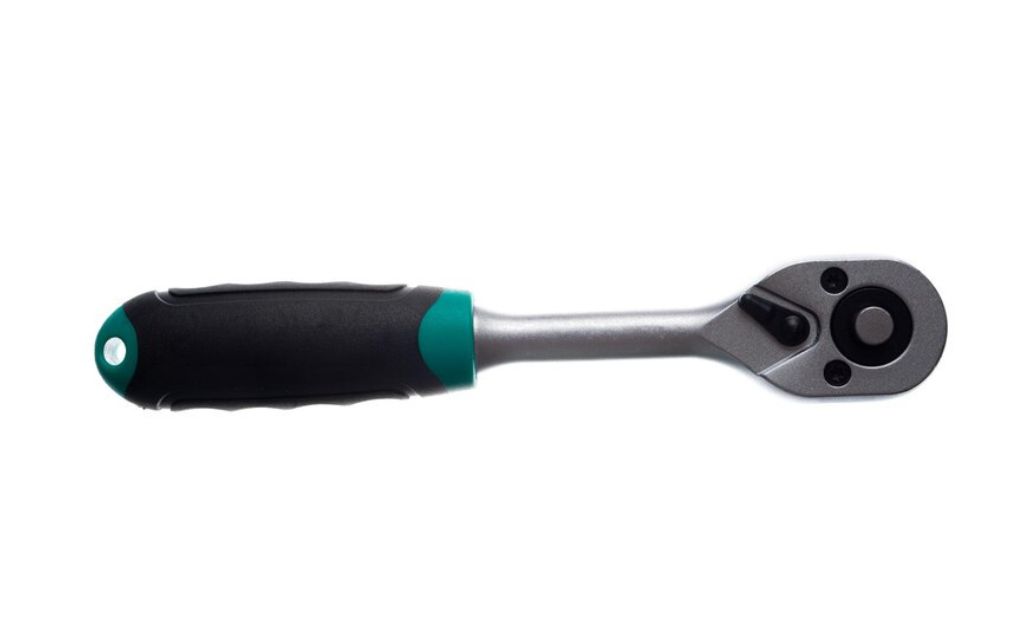
Torque Tools Calibration

In assembly and manufacturing, the correct application of torque is crucial to the integrity of the final product. Misapplied torque can lead to product failure or safety issues. We calibrate torque wrenches, screwdrivers, and other torque tools on-site, ensuring they deliver the correct amount of force every time. This not only guarantees product quality but also helps prevent costly rework and warranty claims.

Conclusion

At Gulf Coast Calibration, we’re committed to helping you maintain the accuracy and reliability of your tools and instruments. Our on-site calibration services are designed to minimize downtime, maximize convenience, and ensure that your equipment meets the highest standards of precision. Whether you need calibration for surface plates, dimensional tools, electrical tools, gas monitors, pressure gauges, temperature tools, or torque tools, we’ve got you covered.

Keep your operations running smoothly and your measurements precise—trust Gulf Coast Calibration for all your calibration needs. Contact us today to schedule your on-site calibration service.

Call us to discuss your calibration, test or repair needs at:
713.944.3139.

Request for Calibration Quote
Request for PPE/Glove Testing Quote
Pressure Gauge Calibration

by gcc-admin-alpha

Pressure Gauge Calibration

At GulfCoastCalibration, we understand the critical role accurate pressure measurements play in your operations. Our expert team specializes in comprehensive pressure gauge calibration solutions, ensuring precision, reliability, and compliance with industry standards.

Our Pressure Gauge Calibration Process:

  1. Consultation and Assessment:

    • We begin by understanding your specific requirements, application, and industry standards.
    • Our team assesses the pressure gauge type, media compatibility, and environmental conditions.
  2. State-of-the-Art Calibration Lab:

    • Our ISO/IEC 17025 accredited calibration lab features cutting-edge equipment.
    • We maintain strict temperature control, minimizing uncertainties during calibration.
  3. Traceable Calibration:

    • We use NIST-traceable reference standards for calibration.
    • Our calibration process covers gauge accuracy, hysteresis, repeatability, and resolution.
  4. Multiple Calibration Points:

    • We calibrate at various pressure points within the gauge’s range.
    • This ensures accurate readings across the entire operating spectrum.
  5. Adjustment and Certification:

    • If needed, we adjust the gauge to minimize errors.
    • You receive a detailed calibration certificate with all relevant data.
  6. On-Site Services:

    • We offer on-site calibration for convenience.
    • Our technicians ensure minimal downtime during the process.

Why Choose GulfCoastCalibration?

  • Expertise: Our skilled technicians have years of experience in pressure gauge calibration.
  • Compliance: We adhere to ISO standards and industry-specific guidelines.
  • Reliability: Count on us for precise, dependable results.
  • Customer-Centric Approach: Your satisfaction is our priority.

Contact GulfCoastCalibration today for accurate pressure gauge calibration. Let’s elevate your measurement confidence!

Request for Calibration Quote
Request for PPE/Glove Testing Quote

Request for Calibration Quote
Request for PPE/Glove Testing Quote
Temperature Sensor Calibration Process and Best Practices

by gcc-admin-alpha

Temperature Sensor Calibration Process and Best Practices

Temperature measurement is critical across various industries, including manufacturing, energy, healthcare, and research. Accurate and reliable temperature measurements are essential for operational efficiency, product quality, and personnel and equipment safety. Calibration of temperature sensors plays a pivotal role in achieving precise measurements.

Calibration Process:

  1. Reference Standard Selection:
    • Choose a reference standard with higher accuracy than the sensor being calibrated.
    • Options include calibrated thermometers, temperature baths, or temperature-controlled chambers.
    • The reference standard should have a known and stable temperature value.
  2. Pre-Calibration Preparation:
    • Ensure both the temperature sensor and reference standard reach thermal equilibrium.
    • Minimize errors due to temperature gradients.
  3. Data Collection:
    • Subject both devices to a series of temperature points across the desired range.
    • Record output readings simultaneously.
  4. Comparison and Analysis:
    • Compare the sensor’s output readings with the reference standard.
    • Calculate measurement errors at each temperature point.
    • Use statistical techniques (e.g., linear regression) to determine correction factors or calibration curves.
  5. Adjustment and Compensation:
    • Apply correction factors to compensate for observed errors.
    • Implement adjustments via software or hardware modifications.

Best Practices:

  1. Regular Calibration Schedule:
    • Calibrate temperature sensors at recommended intervals.
    • Consider stability, criticality, industry regulations, and manufacturer guidelines1.
  2. Traceable Calibration Standards:
    • Use traceable reference standards to ensure accuracy and traceability2.
  3. Environmental Conditions:
    • Maintain proper environmental conditions during calibration.
    • Avoid extreme temperatures, humidity, and other factors that could affect accuracy.

Remember, adhering to these best practices will enhance measurement accuracy and reliability. Feel free to reach out if you need further assistance!

Request for Calibration Quote
Request for PPE/Glove Testing Quote
The Benefits of Rubber Glove Testing

by gcc-admin-alpha

The Benefits of Rubber Glove Testing

Ensuring Safety and Quality in Electrical Work

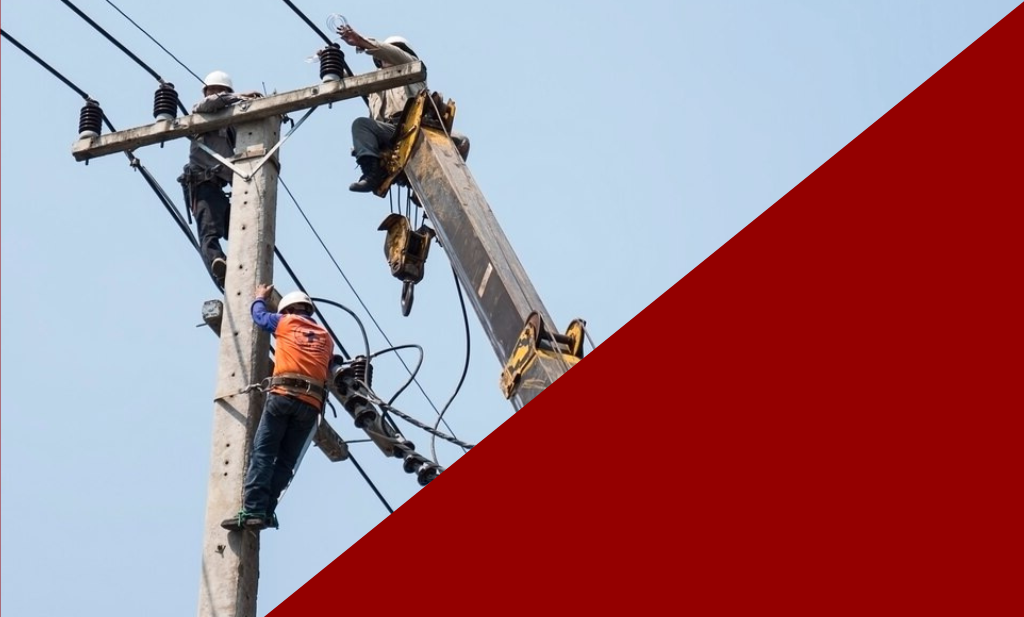
As an electrical professional, you’re well aware of the critical role that personal protective equipment (PPE) plays in ensuring safety during electrical work. One essential component of PPE is rubber insulating gloves. These gloves protect workers from electric shock and arc flash incidents, making them indispensable for anyone working with live electrical systems.

Meeting Industry Standards and Regulations

One of the primary benefits of rubber glove testing is ensuring that products meet industry standards and regulations. These standards define the performance requirements for rubber insulating gloves, including their electrical resistance, physical properties, and overall quality. Regular testing ensures that the gloves maintain their protective properties over time, providing peace of mind to both workers and employers.

Identifying Potential Defects and Weaknesses

Rubber glove testing allows you to identify potential defects and weaknesses in gloves before they reach the hands of workers. These defects could include cuts, punctures, or other damage that compromises the gloves’ integrity. By catching these issues early, you prevent accidents and ensure that workers have reliable protection.

Improving Product Performance and Durability

Regular testing not only verifies compliance with standards but also helps improve product performance and durability. By understanding how gloves perform under various conditions—such as exposure to heat, moisture, or chemicals—you can make informed decisions about their use. Additionally, testing provides valuable data for manufacturers to enhance glove design and materials, leading to better-performing products.

Compliance with OSHA Requirements

The Occupational Safety and Health Administration (OSHA) mandates that employers provide appropriate PPE to protect workers from electrical hazards. Rubber insulating gloves fall under this category. Regular testing ensures compliance with OSHA requirements, reducing the risk of penalties and legal issues.

How Does Rubber Glove Testing Work?

  1. Visual Inspection: Examine gloves for visible defects, such as cuts, cracks, or swelling.
  2. Electrical Testing: Measure the gloves’ electrical resistance using specialized equipment.
  3. Air Inflation Test: Inflate the gloves with air to check for leaks or weak spots.
  4. Dielectric Testing: Subject the gloves to high voltage to assess their insulation properties.
  5. Water Absorption Test: Determine how well the gloves resist water penetration.
  6. Physical Properties Testing: Evaluate factors like tensile strength, elongation, and tear resistance.

Conclusion

Rubber glove testing is essential for maintaining safety, complying with regulations, and ensuring the longevity of protective gear. Whether you’re an electrical worker, supervisor, or manufacturer, prioritize regular testing to keep everyone safe and productive.

Remember, safety starts with quality rubber insulating gloves! Contact us today for a quote or call 713.944.3139. Your safety is our priority!

Request for Calibration Quote
Request for PPE/Glove Testing Quote
Arc Flash Suit Inspection, Cleaning, and Repair Services

by gcc-admin-alpha

Arc Flash Suit Inspection, Cleaning, and Repair Services by Gulf Coast Calibration (GCC)

Introduction

At Gulf Coast Calibration (GCC), we take pride in providing top-notch Arc Flash Suit services. Our expertise lies in inspection, cleaning, repair, and sales of these critical safety garments. Whether you’re an electrical worker, engineer, or safety manager, ensuring the reliability and effectiveness of your arc flash suits is paramount. Let’s delve into the details of our comprehensive services.

Why Regular Inspection and Maintenance Matter

1. Safety Compliance

Arc flash suits are your first line of defense against electrical hazards. Regular inspection ensures that your suits comply with industry standards, including NFPA 70E, ASTM 1506-2001, ASTM 2178, CSA Z462, and OSHA 1910-269 requirements. Our experienced technicians meticulously examine each suit, hood, shield, and other components to verify their integrity.

2. Prolonged Suit Lifespan

Proper maintenance extends the lifespan of your arc flash suits. By identifying minor issues early, we prevent major damage and costly replacements. Our team can handle suits ranging from 8CAL to 100CAL ratings.

3. OSHA Recommendations

OSHA recommends cleaning and inspecting all arc flash suits at least once a year. Our thorough cleaning process removes contaminants, ensuring optimal performance. We use a special detergent to clean each suit, leaving it fresh and ready for use.

Our Services

1. Inspection

Our technicians perform a visual inspection of every suit. We check for:

  • Tears, abrasions, or wear: Any damage that compromises the suit’s protective properties.
  • Zippers, closures, and fasteners: Ensuring they function correctly.
  • Labels and markings: Verifying compliance with safety standards.

2. Cleaning

Our cleaning process adheres to the highest standards. We remove dirt, oil, and other contaminants. Your suits emerge clean, sanitized, and ready for action.

3. Repair

Minor repairs are essential to maintain suit integrity. We handle:

  • Face shields replacement: If your face shield is scratched or damaged, we provide replacements.
  • Other minor fixes: From loose stitching to damaged seams, we address them promptly.

4. PPE Rotation Program

Our convenient PPE rotation program includes free pickup and delivery. Keep your workforce protected without hassle. We manage the rotation, ensuring that your team always has clean, reliable arc flash suits.

Conclusion

At GCC, we understand the critical role arc flash suits play in electrical safety. Trust us to keep your suits in top condition. Contact us today for a quote or call 713.944.3139. Your safety is our priority!


Click here


Click here

The Benefits of Torque Tool Calibration

by gcc-admin-alpha

The Benefits of Torque Tool Calibration

Introduction

Calibration might not be the most glamorous topic, but it plays a crucial role in ensuring precision, safety, and quality across various industries. Let’s dive into what torque calibration is, why it matters, and which sectors benefit the most from this essential process.

What Is Torque Calibration?

Torque is the measurement of rotational force around an axis. Imagine unscrewing a bottle cap – that twisting motion you apply involves torque. Now, consider the scenario where you overtighten the cap, and it becomes stuck. In this case, you’ve applied too much torque. Torque calibration ensures that tools apply the correct amount of torque, preventing under-tightening or over-tightening.

Why Is Torque Calibration Important?

1. Consistency and Quality Assurance:

  • Torque calibration guarantees that tools consistently meet the exact torque requirements. Whether you’re assembling cars, electronics, or machinery, maintaining consistent torque ensures product quality.
  • Assembly lines producing thousands of items daily rely on well-calibrated torque tools to avoid defects and ensure uniformity.

2. Time and Cost Savings:

  • Properly calibrated torque tools save time, money, and materials. When fasteners are tightened accurately, there’s no need for rework or warranty claims due to faulty products.
  • In large-scale operations, these savings add up significantly.

3. Safety and Compliance:

  • Industries like automotive, aviation, and defense demand precise torque calibration. Legal health and safety compliance mandates accurate torque settings for fasteners and joints.
  • Imagine the consequences of an inadequately tightened aircraft component – it could be catastrophic.

Industries Benefiting from Torque Calibration

  1. Automotive Industry:

    • From engine assembly to chassis construction, torque calibration ensures vehicle components are securely fastened.
    • Accurate torque prevents issues like loose bolts or stripped threads.
  2. Aviation Industry:

    • Aircraft safety relies on properly calibrated torque tools. Fasteners on wings, landing gear, and engines must meet exact specifications.
    • Torque calibration helps prevent mid-flight failures.
  3. Engineering Sector:

    • In various engineering applications, torque calibration ensures precise assembly and maintenance.
    • Whether it’s civil engineering, structural design, or industrial machinery, well-calibrated torque tools enhance reliability.

Conclusion

Next time you tighten a bolt or fasten a critical component, remember the unsung hero – torque calibration. It quietly ensures that our world keeps turning, one precisely calibrated rotation at a time.

Request for Calibration Quote
Request for PPE/Glove Testing Quote

Electrical Calibration: A Vital Safeguard Against Electrocution

by gcc-admin-alpha

Electrical Calibration: A Vital Safeguard Against Electrocution

Introduction

Electrocution is a grave hazard that lurks in workplaces, threatening the safety of workers across various industries. At Gulf Coast Calibration, we recognize the critical importance of preventing electrical accidents. Our specialized electrical calibration and repair services play a pivotal role in safeguarding lives and ensuring a secure work environment.

Understanding Electrocution in the Workplace

Electrocution occurs when a worker is accidentally shocked by electricity, leading to injury or even death. It’s one of OSHA’s “fatal four,” emphasizing its severity. Whether on construction sites, in factories, or office spaces, exposure to electricity poses risks. Faulty equipment, inadequate training, and non-compliance with safety protocols contribute to this peril.

The Role of Electrical Calibration

1. Ensuring Accurate Measurements

Electrical instruments must provide precise measurements to prevent mishaps. Our calibration services meticulously verify the accuracy of voltmeters, ammeters, and other devices. By calibrating regularly, we minimize measurement errors, reducing the chances of faulty readings that could lead to dangerous situations.

2. Detecting Faults Early

Faulty equipment is a breeding ground for electrocution risks. Our calibration process includes thorough inspections, identifying any deviations from expected performance. Early detection of faults allows timely repairs, preventing potential hazards.

3. Proper Grounding

Grounding is crucial for electrical safety. Our calibration experts ensure that all equipment is properly grounded. A low-resistance path connecting to the earth prevents voltage buildup, minimizing the risk of electric shock incidents.

4. Compliance with Safety Standards

Calibration ensures adherence to safety standards. We follow industry guidelines and OSHA regulations, ensuring that equipment operates within safe limits. Compliance reduces the likelihood of electrical accidents.

Repair Services: Addressing Vulnerabilities

1. Timely Repairs

When faults are detected during calibration, our repair services kick into action. Whether it’s faulty wiring, damaged insulation, or malfunctioning components, we address issues promptly. Timely repairs prevent potential electrocution scenarios.

2. Equipment Upgrades

Outdated or worn-out equipment poses risks. Our repair services include upgrades, replacing obsolete components with modern, safer alternatives. Upgraded equipment enhances workplace safety.

3. Expert Technicians

Our skilled technicians handle repairs with precision. From fixing frayed cables to replacing faulty circuitry, their expertise ensures that equipment operates optimally, minimizing electrocution risks.

Conclusion

At Gulf Coast Calibration, we take pride in our role as electrical safety guardians. Through meticulous calibration and timely repairs, we contribute to preventing electrocution in workplaces. Remember, safety isn’t an option—it’s a necessity. Let’s work together to keep our workforce safe and secure.

Request for Calibration Quote
Request for PPE/Glove Testing Quote

What is a Calibration Certificate?

by gcc-admin-alpha

What is a Calibration Certificate and Why Do You Need One?

If you use any kind of measurement device or equipment in your work, you know how important it is to ensure its accuracy and reliability. Whether you are measuring pressure, temperature, torque, or dimension, you need to have confidence that your results are correct and consistent. That is why calibration is essential for any measurement device or equipment.

Calibration is the process of comparing a measurement device or equipment to a known reference standard, and adjusting it if necessary to match the reference. Calibration ensures that your device or equipment is performing within its specifications and meets the requirements of your industry standards and regulations.

But how do you prove that your device or equipment is calibrated and accurate? That is where a calibration certificate comes in.

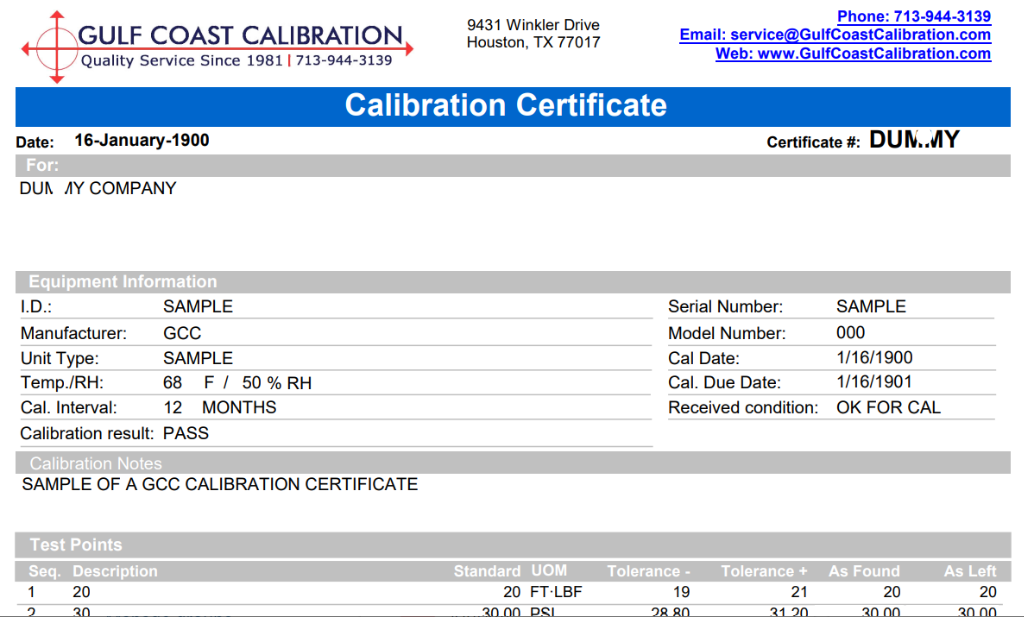
A calibration certificate is a document that provides information about the calibration of a device or equipment. It validates the accuracy and traceability of the device or equipment to a national or international standard. A calibration certificate is issued by a calibration laboratory that is accredited by a recognized accreditation body, such as ISO 17025.

A calibration certificate typically contains the following information:

  • The name and address of the calibration laboratory and the accreditation body
  • The name and address of the customer and the device or equipment owner
  • The identification and description of the device or equipment, such as model, serial number, and manufacturer
  • The date and location of the calibration
  • The environmental conditions during the calibration, such as temperature and humidity
  • The reference standards and instruments used for the calibration, and their traceability to national or international standards
  • The calibration results and uncertainties, and the units of measurement
  • The calibration method and procedure
  • The name, signature, and qualification of the person who performed the calibration
  • A statement that the calibration results are valid only for the device or equipment identified in the certificate

A calibration certificate is a valuable document that demonstrates the quality and reliability of your device or equipment. It can help you to:

  • Comply with industry standards and regulations, such as ISO 9001, OSHA, ASTM, and ANSI
  • Meet customer expectations and requirements
  • Enhance your reputation and credibility
  • Reduce errors and risks
  • Improve efficiency and productivity
  • Save time and money

At Gulf Coast Calibration, we provide high-quality calibration services and certificates for a wide range of measurement devices and equipment. We are accredited by QMS Global under ISO 17025, and we follow the best practices and guidelines for calibration certificate preparation. We have the expertise, experience, and equipment to calibrate your devices and equipment with accuracy and precision. We also offer fast turnaround times, competitive prices, and excellent customer service.

If you need calibration services and certificates for your devices and equipment, contact us today. We are ready to serve you and help you achieve your measurement goals. Get 10% off your first calibration or testing service with us! 

Request for Calibration Quote
Request for PPE/Glove Testing Quote