Electrical Calibration: A Vital Safeguard Against Electrocution

by gcc-admin-alpha

Electrical Calibration: A Vital Safeguard Against Electrocution

Introduction

Electrocution is a grave hazard that lurks in workplaces, threatening the safety of workers across various industries. At Gulf Coast Calibration, we recognize the critical importance of preventing electrical accidents. Our specialized electrical calibration and repair services play a pivotal role in safeguarding lives and ensuring a secure work environment.

Understanding Electrocution in the Workplace

Electrocution occurs when a worker is accidentally shocked by electricity, leading to injury or even death. Itโ€™s one of OSHAโ€™s โ€œfatal four,โ€ emphasizing its severity. Whether on construction sites, in factories, or office spaces, exposure to electricity poses risks. Faulty equipment, inadequate training, and non-compliance with safety protocols contribute to this peril.

The Role of Electrical Calibration

1. Ensuring Accurate Measurements

Electrical instruments must provide precise measurements to prevent mishaps. Our calibration services meticulously verify the accuracy of voltmeters, ammeters, and other devices. By calibrating regularly, we minimize measurement errors, reducing the chances of faulty readings that could lead to dangerous situations.

2. Detecting Faults Early

Faulty equipment is a breeding ground for electrocution risks. Our calibration process includes thorough inspections, identifying any deviations from expected performance. Early detection of faults allows timely repairs, preventing potential hazards.

3. Proper Grounding

Grounding is crucial for electrical safety. Our calibration experts ensure that all equipment is properly grounded. A low-resistance path connecting to the earth prevents voltage buildup, minimizing the risk of electric shock incidents.

4. Compliance with Safety Standards

Calibration ensures adherence to safety standards. We follow industry guidelines and OSHA regulations, ensuring that equipment operates within safe limits. Compliance reduces the likelihood of electrical accidents.

Repair Services: Addressing Vulnerabilities

1. Timely Repairs

When faults are detected during calibration, our repair services kick into action. Whether itโ€™s faulty wiring, damaged insulation, or malfunctioning components, we address issues promptly. Timely repairs prevent potential electrocution scenarios.

2. Equipment Upgrades

Outdated or worn-out equipment poses risks. Our repair services include upgrades, replacing obsolete components with modern, safer alternatives. Upgraded equipment enhances workplace safety.

3. Expert Technicians

Our skilled technicians handle repairs with precision. From fixing frayed cables to replacing faulty circuitry, their expertise ensures that equipment operates optimally, minimizing electrocution risks.

Conclusion

At Gulf Coast Calibration, we take pride in our role as electrical safety guardians. Through meticulous calibration and timely repairs, we contribute to preventing electrocution in workplaces. Remember, safety isnโ€™t an optionโ€”itโ€™s a necessity. Letโ€™s work together to keep our workforce safe and secure.

Request for Calibration Quote
Request for PPE/Glove Testing Quote
What is a Calibration Certificate?

by gcc-admin-alpha

What is a Calibration Certificate and Why Do You Need One?

If you use any kind of measurement device or equipment in your work, you know how important it is to ensure its accuracy and reliability. Whether you are measuring pressure, temperature, torque, or dimension, you need to have confidence that your results are correct and consistent. That is why calibration is essential for any measurement device or equipment.

Calibration is the process of comparing a measurement device or equipment to a known reference standard, and adjusting it if necessary to match the reference. Calibration ensures that your device or equipment is performing within its specifications and meets the requirements of your industry standards and regulations.

But how do you prove that your device or equipment is calibrated and accurate? That is where a calibration certificate comes in.

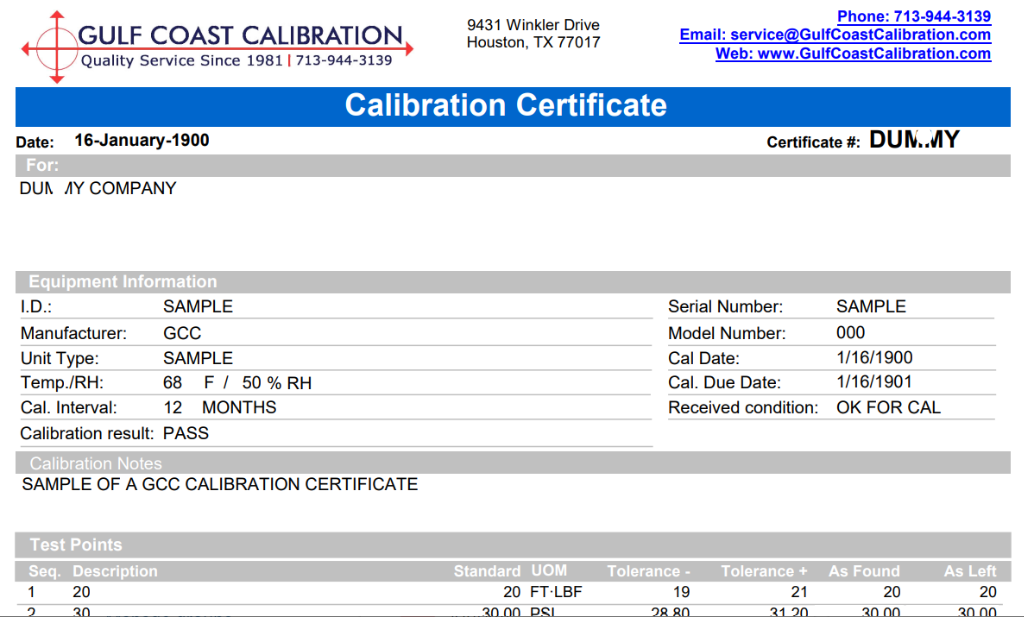
A calibration certificate is a document that provides information about the calibration of a device or equipment. It validates the accuracy and traceability of the device or equipment to a national or international standard. A calibration certificate is issued by a calibration laboratory that is accredited by a recognized accreditation body, such as ISO 17025.

A calibration certificate typically contains the following information:

  • The name and address of the calibration laboratory and the accreditation body
  • The name and address of the customer and the device or equipment owner
  • The identification and description of the device or equipment, such as model, serial number, and manufacturer
  • The date and location of the calibration
  • The environmental conditions during the calibration, such as temperature and humidity
  • The reference standards and instruments used for the calibration, and their traceability to national or international standards
  • The calibration results and uncertainties, and the units of measurement
  • The calibration method and procedure
  • The name, signature, and qualification of the person who performed the calibration
  • A statement that the calibration results are valid only for the device or equipment identified in the certificate

A calibration certificate is a valuable document that demonstrates the quality and reliability of your device or equipment. It can help you to:

  • Comply with industry standards and regulations, such as ISO 9001, OSHA, ASTM, and ANSI
  • Meet customer expectations and requirements
  • Enhance your reputation and credibility
  • Reduce errors and risks
  • Improve efficiency and productivity
  • Save time and money

At Gulf Coast Calibration, we provide high-quality calibration services and certificates for a wide range of measurement devices and equipment. We are accredited by QMS Global under ISO 17025, and we follow the best practices and guidelines for calibration certificate preparation. We have the expertise, experience, and equipment to calibrate your devices and equipment with accuracy and precision. We also offer fast turnaround times, competitive prices, and excellent customer service.

If you need calibration services and certificates for your devices and equipment, contact us today. We are ready to serve you and help you achieve your measurement goals. Get 10% off your first calibration or testing service with us!ย 

Request for Calibration Quote
Request for PPE/Glove Testing Quote

Get 10% Off Your First Calibration and Test Services

by gcc-admin-alpha

Get 10% Off Your First Calibration and Test Services

Are you looking for a reliable and affordable calibration and test service provider in the Gulf Coast region? If so, youโ€™re in luck! Gulf Coast Calibration is offering aย 10% discountย on your first calibration and test services when you sign up with us.

Gulf Coast Calibration is a leading calibration and test service provider that specializes in electrical, mechanical, dimensional, and environmental calibration and testing. We have a team of experienced and certified technicians who can handle any calibration and test challenge you may have. Whether you need to calibrate your instruments, test your products, or verify your compliance, we can help you achieve your quality goals.

We offer a wide range of calibration and test services, including:

  • Electrical calibration and testing: We can calibrate and test your electrical equipment, such as multimeters, oscilloscopes, power supplies, clamp meters, and more. We can also perform electrical safety testing, EMC testing, and ESD testing to ensure your products meet the relevant standards and regulations.
  • Mechanical calibration and testing: We can calibrate and test your mechanical equipment, such as torque wrenches, pressure gauges, micrometers, calipers, and more. We can also perform mechanical stress testing, vibration testing, and shock testing to evaluate the performance and durability of your products.
  • Dimensional calibration and testing: We can calibrate and test your dimensional equipment, such as rulers, scales, tape measures, and more. We can also perform dimensional inspection, metrology, and CMM measurement to verify the accuracy and precision of your products.
  • Environmental calibration and testing: We can calibrate and test your environmental equipment, such as thermometers, hygrometers, anemometers, and more. We can also perform environmental simulation, climatic testing, and corrosion testing to assess the impact of various environmental conditions on your products.

At Gulf Coast Calibration, we are committed to providing you with the best calibration and test services in the industry. We use state-of-the-art equipment, follow ISO 17025 accredited procedures, and deliver fast and accurate results. We also offer flexible scheduling, competitive pricing, and excellent customer service.

If you want to take advantage of our 10% discount offer, all you have to do is fill out this Quote Form and we will get in touch with you shortly. Donโ€™t miss this opportunity to save money and improve your quality with Gulf Coast Calibration. Contact us today and let us take care of your calibration and test needs.

Request for Calibration Quote
Request for PPE/Glove Testing Quote
Surface Plate Accuracy

by gcc-admin-alpha

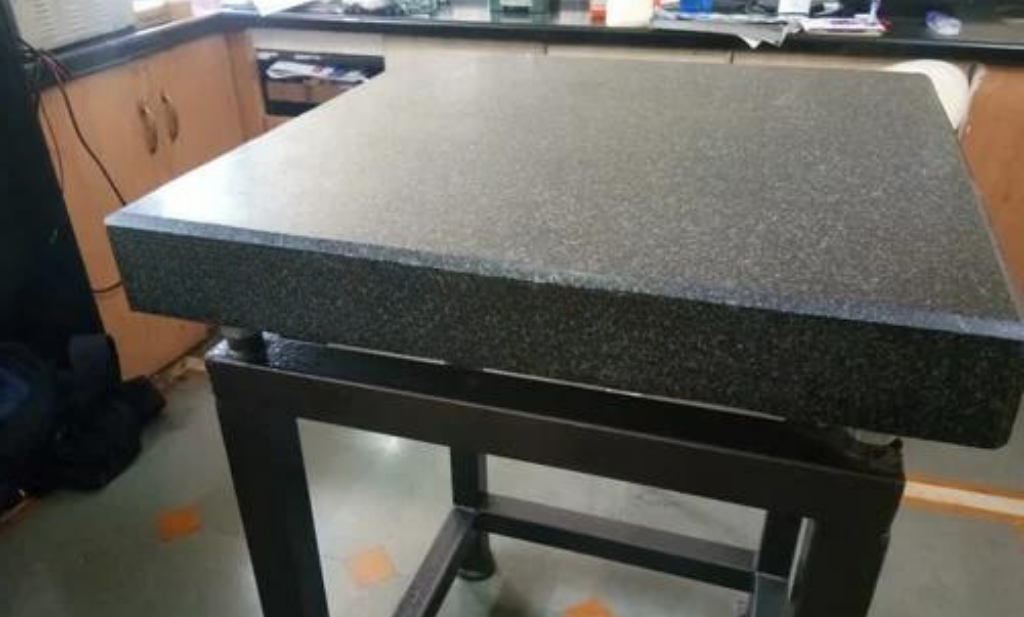
If you use surface plates for your inspection, layout, or testing needs, you know how important it is to keep them flat and level. Surface plates are the foundation of precision measurement and quality workmanship, and any deviation from a perfect plane can affect your results and performance. Thatโ€™s why you need Gulf Coast Calibration (GCC), the best choice for surface plate calibration and refinishing services.

What We Do for Your Surface Plate

We are a leading provider of calibration and testing services in the Gulf Coast region, and we have the expertise, the equipment, and the dedication to provide you with the best service possible. We offer surface plate calibration services that are A2LA accredited and NIST-traceable, meaning that they meet the highest standards of quality and reliability in the industry. We can calibrate any size and type of surface plate, whether it is granite, steel, or cast iron, and we can adjust it to any grade of accuracy you require, such as AA, A, B, or C. The grade of accuracy indicates the maximum permissible deviation from a perfect plane over the entire working surface of the plate, and it also determines the frequency of calibration, with higher grades requiring more frequent calibration than lower grades.

We use a computerized calibration system and differential leveling feet, which provide reliable and precise surface evaluation. The system generates detailed diagrams of measurement readings that show the wear and deviation from the grade specification. Based on the results, we can adjust, clean, polish, or resurface your surface plate to restore its flatness and accuracy.

We also provide surface plate refinishing services, which involve lapping or polishing the surface with an abrasive paste to remove any unwanted material and improve the surface finish. This service is recommended when your surface plate is worn beyond the acceptable limits of the grade specification and cannot be restored by simple adjustment or cleaning. We can resurface plates to any grade required by your quality system, ensuring that your surface plate meets your specific needs and expectations.

How We Deliver Our Service

We provide our surface plate calibration and refinishing services at our climate-controlled and monitored lab or onsite at your facility, depending on your preference and convenience. We have highly skilled and experienced technicians who can handle any size and type of surface plate, and we have a quick turnaround time and a competitive pricing.

After the service, we issue a Calibration Certificate that shows the grade requirements, the โ€œas foundโ€ and โ€œas leftโ€ conditions, and a detailed explanation of the work completed to restore the flatness. We also send you a reminder notice when your next calibration is due, based on the frequency you specify.

Let Gulf Coast Manage Your Calibration Schedule.

Are you looking for calibration services, or is your equipment producing out-of-the-ordinary results? If so, you’ve come to the right place. Gulf Coast Calibrationย has over 40ย years of expertise and has developed to become one of the Gulf Coast regionย finest weighing equipment and calibration firms. Our calibration services, which encompass equipment in a variety of sectors, are provided through our in-house laboratory or on-site at our clients’ facilities.

Call us to discuss your calibration, test or repair needs at:
713.944.3139.

Request for Calibration Quote
Request for PPE/Glove Testing Quote
Electrical Test Tools Calibration

by gcc-admin-alpha

Electrical Test Equipment Calibrationย 

Electrical test equipment are essential tools for many professionals and businesses that rely on accurate and reliable measurements of various electrical parameters. However, these equipment are not immune to wear and tear, environmental factors, or human errors that can affect their performance and accuracy over time. Thatโ€™s why it is important to have your electrical test equipment regularly tested, repaired and calibrated by a trusted calibration service provider.

Gulf Coast Calibration is a leading provider of calibration services for electrical test equipment in Nigeria and beyond. We have been in the calibration business for over 40 years, serving various industries such as oil and gas, aerospace, medical, manufacturing and more. We have a team of qualified and experienced technicians who can handle any calibration challenge. We use state-of-the-art equipment and software to ensure accuracy and reliability of your measurements.

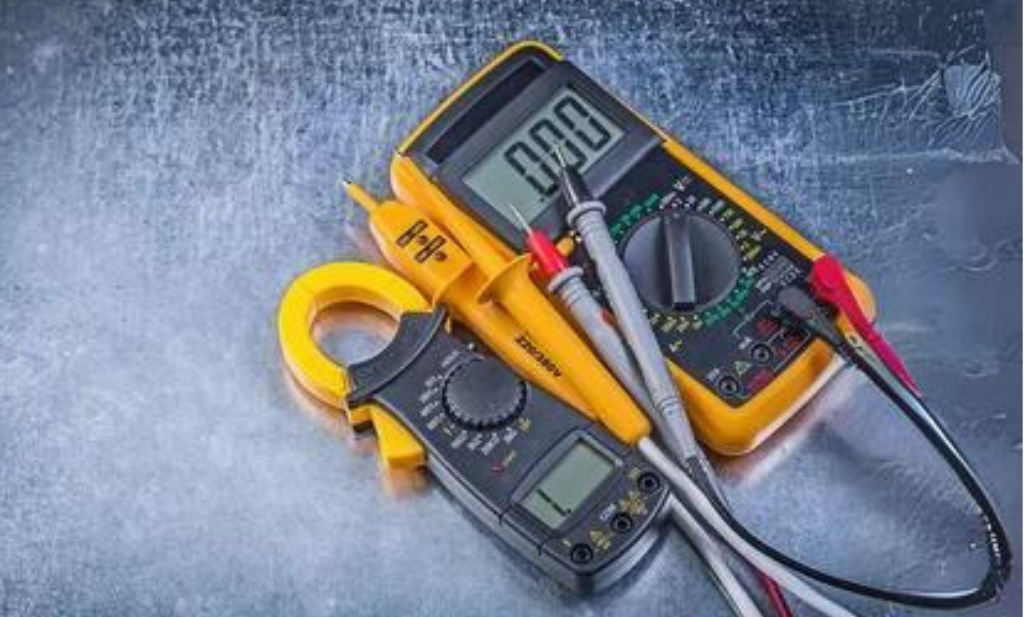
We can test, repair and calibrate a wide range of electrical test equipment, such as:

  • Multimeters
  • Oscilloscopes
  • Power supplies
  • Thermometers
  • Clamp meters
  • Megohmmeters
  • Frequency counters
  • Function generators
  • And more

We can calibrate your electrical test equipment according to the manufacturerโ€™s specifications, industry standards, or your own custom requirements. We can also provide you with a calibration certificate that documents the calibration results, traceability, and uncertainty.

We offer fast turnaround times, competitive prices, and excellent customer service. We can also provide on-site calibration services at your location, or pick up and drop off your equipment at your convenience.

Whether you need to calibrate your electrical test equipment for compliance, quality assurance, or performance improvement, Gulf Coast Calibration can help you. Contact us today to get a free quote and schedule your calibration service.

If your company is accredited by a specific industry-standard body, such as the International Organization for Standardization (ISO), this is an excellent example. If this is the case, you may be obliged to follow rules for how frequently your equipment must be calibrated, and failure to do so may result in the loss of your certification.

Call us to discuss your calibration, test or repair needs at:
713.944.3139.

Request for Calibration Quote
Request for PPE/Glove Testing Quote

How Gulfcoast Calibration Boosts Engineering Success: Case Studies

by gcc-admin-alpha

Case Studies and happy customers Testimonial

Case Study 1: Precision in Electrical Measurements

The Challenge: An electrical engineering firm, responsible for designing and testing advanced electronics, encountered inaccuracies in their measurement equipment, leading to concerns about the quality and safety of their products.

Our Solution: Gulfcoast Calibration’s experts assessed their electrical measurement equipment, identified calibration issues, and conducted meticulous calibrations to ensure accuracy. We also provided detailed calibration certificates for documentation purposes.

The Outcome: After calibration, the engineering firm’s equipment provided precise and reliable measurements, ensuring the quality and safety of their electronic products. This not only boosted their product performance but also enhanced their reputation in the industry.

Testimonial from the Electrical Engineer:

5/5

“Gulfcoast Calibration has been an essential partner in our journey to achieving precision in our electrical measurements. Their attention to detail is unmatched.”

Case Study 2: Enhancing Mechanical Instrument Precision

The Challenge: A mechanical engineering company, specializing in the design and testing of mechanical components, was struggling with inconsistencies in their measurement equipment accuracy, resulting in inefficiencies in their manufacturing processes.

Our Solution: Gulfcoast Calibration’s team conducted a comprehensive assessment of their mechanical instruments, identified areas for improvement, and executed precision calibrations. We also recommended regular calibration checks to maintain accuracy.

The Outcome: After calibration, the mechanical engineering company achieved greater consistency and precision in their measurements, resulting in improved product quality and manufacturing efficiency. Our proactive approach to calibration maintenance ensured long-term success.

Testimonial from the Mechanical Engineer:

5/5

“Gulfcoast Calibration has played a critical role in elevating the precision of our mechanical instruments. We value their commitment to our success.”

Case Study 3: Compliance in Electrical Testing

The Challenge: An electrical testing laboratory faced compliance issues due to inaccuracies in their testing equipment. Non-compliance put their reputation and legal standing at risk.

Our Solution: We performed a thorough assessment of their electrical testing equipment and ensured that it met industry standards and regulatory requirements through calibration. Our comprehensive calibration reports met regulatory standards.

The Outcome: With our assistance, the electrical testing laboratory achieved regulatory compliance, securing their reputation and legal standing. They were praised by regulators for their dedication to maintaining accurate equipment.

Testimonial from the Laboratory Manager:

5/5

“Gulfcoast Calibration’s expertise in ensuring regulatory compliance has been crucial for maintaining our credibility and legal status. We trust their services completely.”

Case Study 4: Precision in Mechanical Testing

The Challenge: A mechanical testing facility that served clients in various industries found that their testing results were inconsistent due to inaccuracies in their equipment. This inconsistency was causing disputes with their clients and damaging their reputation.

Our Solution: Gulfcoast Calibration’s team conducted a thorough evaluation of their mechanical testing equipment and identified areas where calibration was required. We performed precise calibrations and provided detailed reports.

The Outcome: After calibration, the mechanical testing facility saw a remarkable improvement in their testing results. The consistency and precision in their measurements not only resolved disputes with clients but also enhanced their reputation as a reliable testing partner.

Testimonial from the Facility Manager:

5/5

“Gulfcoast Calibration’s dedication to precision in mechanical testing has been a game-changer for our business. Our clients trust us more than ever.”

Case Study 5: Ensuring Electrical Safety

The Challenge: An electrical service business specializing in electrical inspections and repairs was concerned about ensuring the safety of their clients’ electrical systems. They faced challenges related to the reliability of their test equipment and the accuracy of electrical measurements.

Our Solution: Gulfcoast Calibration conducted a comprehensive assessment of their electrical test equipment, identifying potential safety risks. We performed calibration to ensure accurate measurements and provided recommendations for periodic maintenance.

The Outcome: After calibration, the electrical service business was able to provide its clients with enhanced electrical safety assurance. Accurate electrical measurements gave their clients confidence in the reliability and safety of their electrical systems, which ultimately helped the business grow and build a reputation for excellence in electrical safety services.

Testimonial from the Service Manager:

5/5

“Gulfcoast Calibration’s expertise in ensuring electrical safety has been a significant asset to our business. We take pride in the safety and peace of mind we bring to our clients, thanks to Gulfcoast’s precision calibration services.”

If you’re ready to achieve your calibration goals in electrical and mechanical engineering, contact Gulfcoast Calibration today, and let us help you succeed with our specialized expertise.

Request for Calibration Quote
Request for PPE/Glove Testing Quote
Dimensional Inspection Tools Calibrate

by gcc-admin-alpha

Why You Need to Calibrate Your Dimensional Inspection Tools

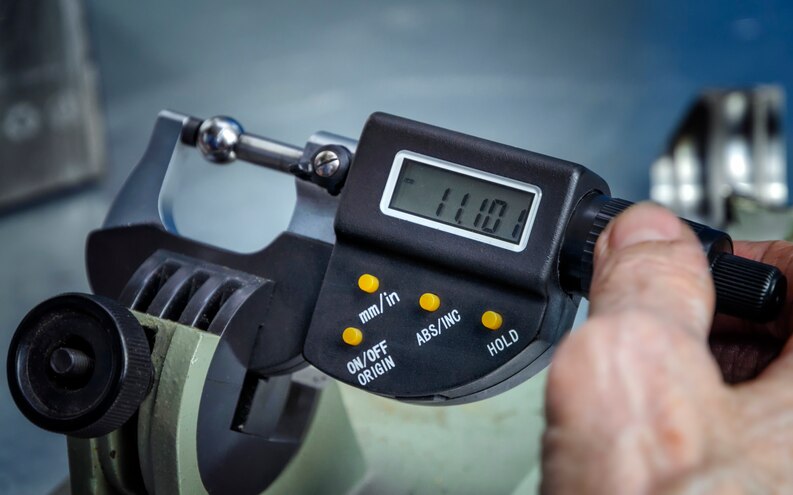
[jotform id=”212342565239556″ title=”GCC – Request for Quote Form”]Dimensional inspection tools are essential for ensuring the quality and accuracy of your products. Whether you are measuring length, width, height, diameter, angle, or any other dimension, you need to have confidence that your tools are giving you the correct results. Thatโ€™s why calibration is a vital process that should not be overlooked.

Calibration is the process of testing and adjusting measuring devices to ensure that they conform to a specified standard or reference. Calibration ensures that your dimensional inspection tools are accurate, reliable, and consistent. Calibration also helps you avoid costly errors, rework, and customer complaints.

But how often should you calibrate your dimensional inspection tools? And what are the best practices for tool calibration? Here are some tips to help you answer these questions.

How Often Should You Calibrate Your Dimensional Inspection Tools ?

The frequency of calibration depends on several factors, such as:

  • The type of tool and its intended use
  • The manufacturerโ€™s recommendations and specifications
  • The environmental conditions and handling of the tool
  • The quality requirements and standards of your industry and customers
  • The results of previous calibrations and inspections

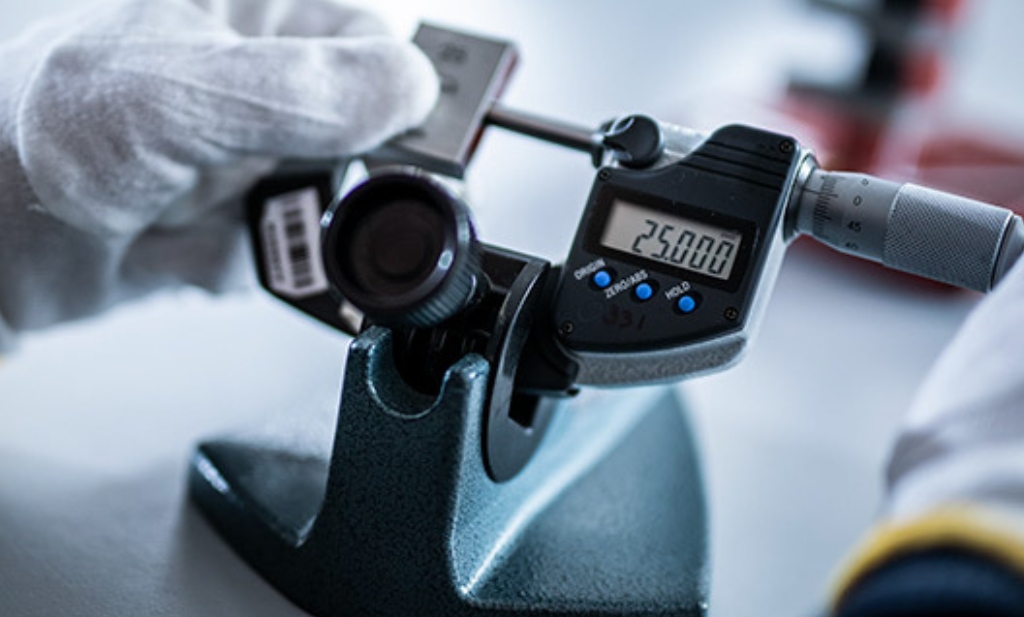
As a general rule, you should calibrate your dimensional inspection tools at least once a year. However, some tools may require more frequent calibration, depending on their usage and accuracy requirements. For example, micrometers and calipers may need to be calibrated every six months or even every three months, depending on how often they are used and how precise they need to be.

You should also calibrate your dimensional inspection tools whenever you notice any signs of damage, wear, or malfunction. For example, if you drop your tool, expose it to extreme temperatures or humidity, or observe any irregularities in its performance, you should calibrate it as soon as possible.

Dimensional Tools and Thier Common Defects

What Are the Best Practices for Tool Calibration?

To ensure that your tool calibration is effective and efficient, you should follow these best practices:

  • Identify the tools that require calibration and assign them a unique identification number
  • Maintain a calibration register that records the calibration history, status, and due date of each tool
  • Follow the manufacturerโ€™s instructions and specifications for each tool
  • Use appropriate calibration procedures and equipment for each tool
  • Perform a pre-calibration inspection to check for any damage or wear on the tool
  • Adjust the tool as needed to bring it within the specified tolerance range
  • Record the calibration results and attach a calibration label to the tool
  • Store the calibrated tools in a clean, dry, and secure place
  • Monitor the performance and condition of the tools regularly

How Can Gulf Coast Calibration Help You with Tool Calibration?

If you are looking for a reliable and professional calibration service provider for your dimensional inspection tools, look no further than Gulf Coast Calibration. We have over 45 years of experience in providing calibration services for a wide range of measuring instruments, including calipers, micrometers, height gauges, dial indicators, and coordinate measuring machines.

We can provide calibration services on-site or at our calibration facility, depending on your needs and preferences. We use state-of-the-art equipment and software to ensure accurate and traceable measurements. We also follow strict quality standards and procedures to ensure compliance with ISO 9001:2015 requirements.

We offer competitive pricing and fast turnaround times for our calibration services. We also provide free pickup and delivery within our service area. We guarantee your satisfaction with our calibration services and we are always ready to answer any questions or concerns you may have.

Contact us today to get a free quote or schedule a calibration service for your dimensional inspection tools. We look forward to hearing from you soon!

Request for Calibration Quote

Request for PPE/Glove Testing Quote
Related resources:

Gas Detector Calibration

by gcc-admin-alpha

Gas Detector Calibration in Houston, TX

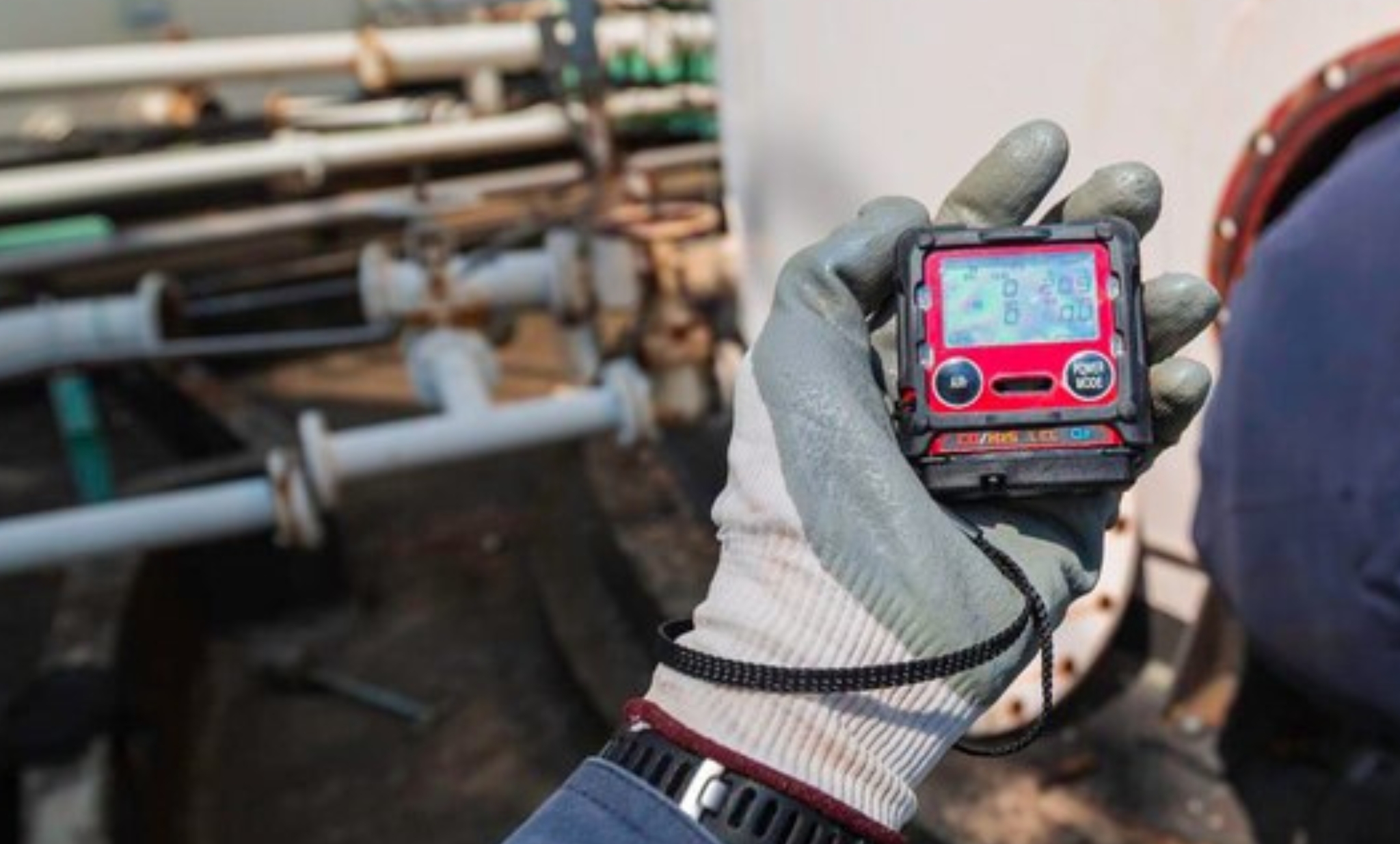
Gulf Coast Calibration is a leading provider of gas detector calibration services in Houston, TX. With years of experience and expertise in the industry, Gulf Coast Calibration offers reliable and accurate calibration solutions for a wide range of gas detectors.

Why is Gas Detector Calibration Important?

Gas detectors play a crucial role in ensuring the safety of workers in various industries, including oil and gas, manufacturing, and construction. These devices are designed to detect the presence of hazardous gases and alert individuals to potential dangers. However, for gas detectors to function effectively, regular calibration is essential.

Calibration is the process of adjusting and verifying the accuracy of a gas detector’s sensors and alarms. It ensures that the device is capable of detecting gas concentrations within the required range and provides timely and reliable warnings. Without proper calibration, gas detectors may fail to detect hazardous gases, leading to serious consequences.

The Importance of Professional Gas Detector Calibration

When it comes to gas detector calibration, it is crucial to rely on the expertise of professionals like Gulf Coast Calibration. Here’s why:

1. Accuracy and Reliability:ย Professional calibration ensures that your gas detectors are accurately calibrated to detect even the smallest concentrations of hazardous gases. This accuracy is vital for the safety of workers and the prevention of potential accidents.

2. Compliance with Regulations:ย Many industries have strict regulations and standards regarding gas detector calibration. Professional calibration services, like Gulf Coast Calibration, ensure that your devices meet these requirements, keeping you in compliance with industry regulations.

3. Expert Knowledge:ย Gulf Coast Calibration has extensive knowledge and expertise in gas detector calibration. Their technicians are trained to calibrate a wide range of gas detectors, ensuring that your devices are in capable hands.

Gulf Coast Calibration is proud to offer gas detector calibration services in Houston, TX, and the surrounding areas. Their state-of-the-art calibration facility is equipped with advanced tools and equipment to provide accurate and reliable calibration services.

Whether you need calibration for portable gas detectors, fixed gas detection systems, or multi-gas monitors, Gulf Coast Calibration has you covered. Their team of experts follows industry best practices and standards to ensure the highest level of calibration accuracy.

By choosing Gulf Coast Calibration for your gas detector calibration needs, you can have peace of mind knowing that your devices are in the hands of professionals who prioritize safety and accuracy.

Request for Calibration Quote
Request for PPE/Glove Testing Quote
GROUND CABLE TESTING

by gcc-admin-alpha

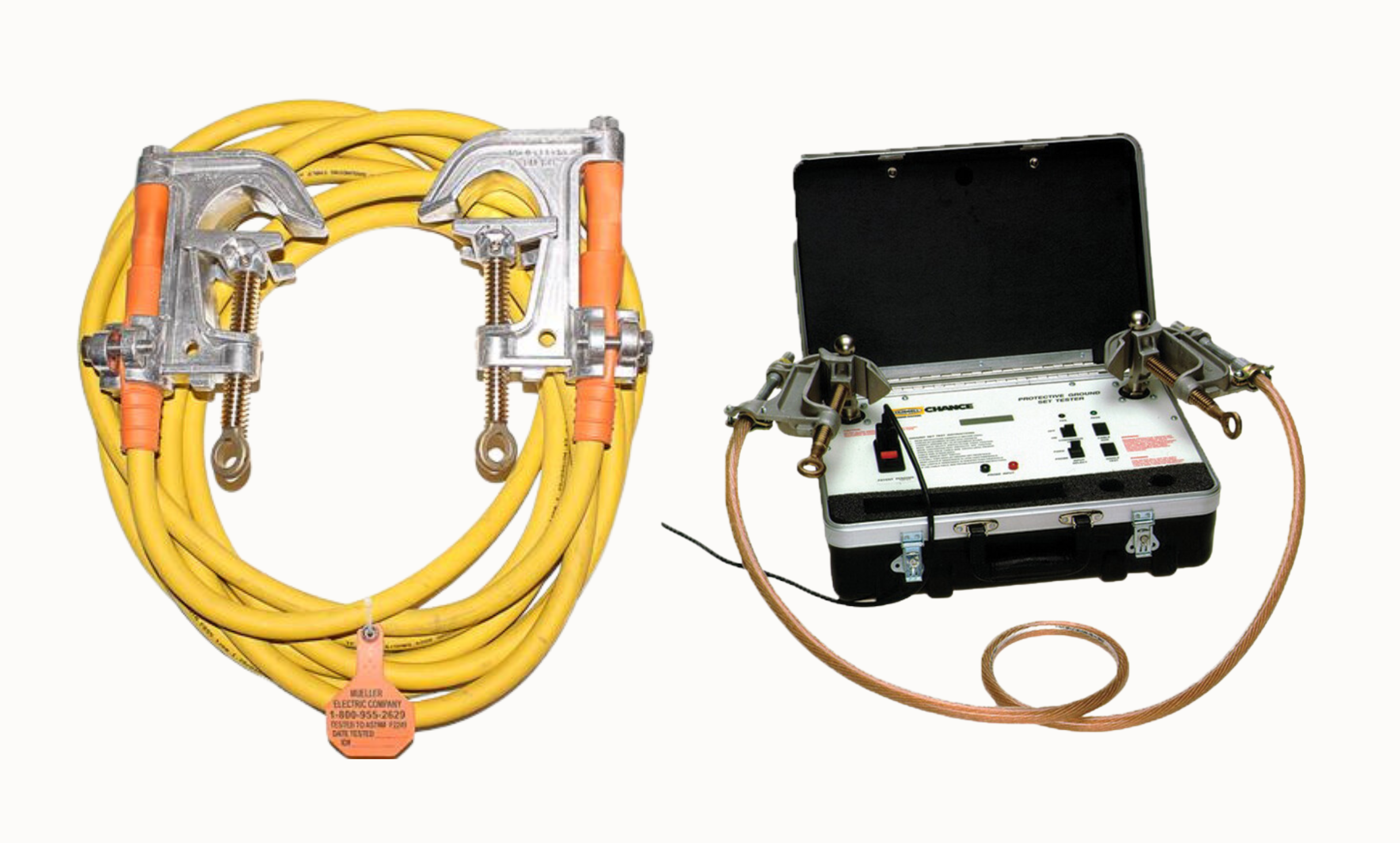
Ground cable testing is a crucial process in various industries to ensure the safety and efficiency of electrical systems. Whether you work in construction, manufacturing, or any other field that relies on electricity, understanding the importance of ground cable testing is essential. In this blog post, we will explore what ground cable testing is, why it is necessary, and how it is conducted.

What is Ground Cable Testing?

Ground cable testing is a method used to assess the integrity of the grounding system in electrical installations. The grounding system provides a safe path for electrical currents to flow into the ground, preventing electrical shocks and equipment damage. By testing the ground cables, professionals can identify any faults or weaknesses in the system.

Why is Ground Cable Testing Necessary?

Ground cable testing is necessary for several reasons. Firstly, it ensures the safety of personnel working with electrical equipment. Faulty or damaged ground cables can lead to electric shocks, which can be life-threatening. Secondly, it helps protect equipment and machinery from electrical surges. Grounding systems divert excess electrical currents away from sensitive equipment, preventing damage and downtime.

Additionally, ground cable testing is crucial for compliance with industry standards and regulations. Many regulatory bodies require regular testing to ensure that electrical systems meet safety requirements. By conducting thorough ground cable testing, businesses can avoid penalties and legal issues.

How is Ground Cable Testing Conducted?

Ground cable testing involves several steps to assess the integrity of the grounding system. The process typically includes the following:

  1. Visual Inspection: A visual examination of the ground cables and connections is conducted to identify any visible damage or deterioration.
  2. Resistance Measurement: Using specialized equipment, the resistance of the ground cables is measured. This helps determine if the cables can effectively carry electrical currents.
  3. Continuity Testing: Continuity testing is performed to ensure that the ground cables are properly connected and that there are no breaks or interruptions in the path.
  4. Ground Fault Testing: This test is conducted to detect any ground faults in the system. It helps identify if there are any unintended paths for electrical currents.

By following these testing procedures, professionals can accurately assess the condition of the ground cables and take necessary actions to rectify any issues.

Conclusion

ย 

Ground cable testing is a critical process that ensures the safety, efficiency, and compliance of electrical systems. By conducting regular testing, businesses can prevent accidents, protect equipment, and meet industry standards. If you work in an industry that relies on electricity, make sure to prioritize ground cable testing to maintain a safe and reliable working environment.

Related resources

Call us to discuss your calibration, test or repair needs at:
713.944.3139.

Request for Calibration Quote
Request for PPE/Glove Testing Quote
Torque Tools Calibration: Precision for Mechanical Applications

by gcc-admin-alpha

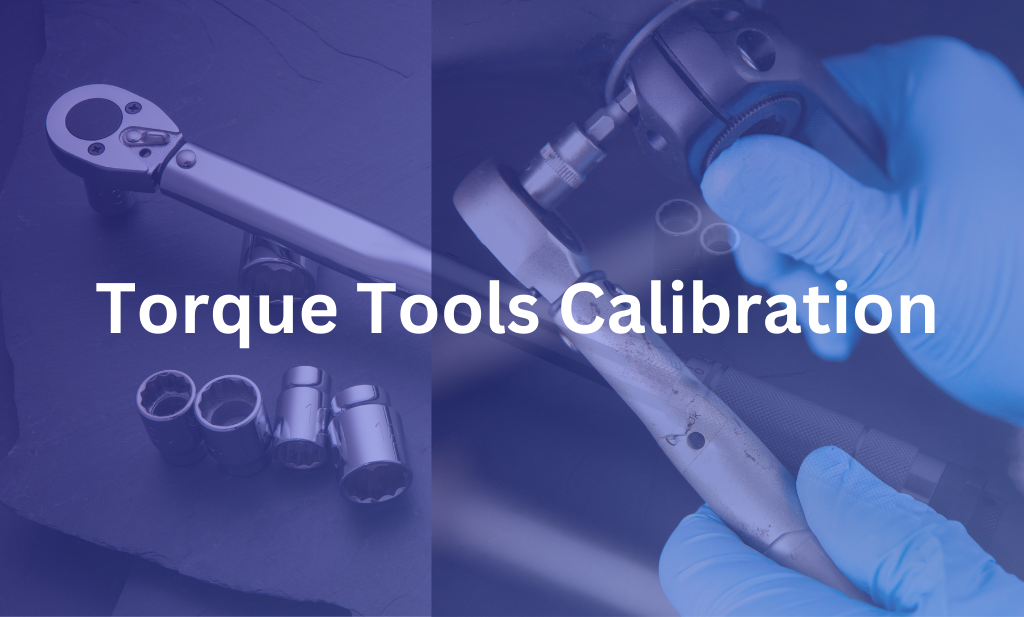
In the field of mechanical engineering, precision and accuracy are of utmost importance. When it comes to torque tools, ensuring their calibration is vital to maintain the integrity and reliability of mechanical applications. Torque tools are widely used in industries such as automotive, aerospace, manufacturing, and construction, where the proper tightening of bolts, screws, and fasteners is crucial. This article explores the significance of torque tools calibration and its impact on mechanical applications.

1. Introduction

In mechanical applications, torque refers to the rotational force applied to an object. Torque tools, such as torque wrenches and screwdrivers, are designed to measure and apply precise amounts of torque. To ensure their accuracy, torque tools must undergo regular calibration.

2. What is Torque?

Torque is a measure of the force applied to rotate an object around an axis. It is usually represented in Newton meters (Nm) or foot-pounds (ft-lbs). Torque plays a critical role in various mechanical applications, including assembling machinery, tightening bolts, and maintaining equipment integrity.

3. The Importance of Torque Tools Calibration

Torque tools calibration is essential to guarantee the accuracy and reliability of torque measurements. When torque tools are not calibrated correctly, they can provide inaccurate readings, leading to under or over-tightened fasteners. This can result in mechanical failures, compromised safety, and additional maintenance costs.

4. Types of Torque Tools

There are several types of torque tools available, each with its own characteristics and applications. Some common types of torque tools include:

4.1 Click-Type Torque Wrenches

Click-type torque wrenches are widely used in automotive and industrial applications. They have a click mechanism that produces an audible sound when the desired torque is reached, alerting the user to stop applying force.

4.2 Electronic Torque Wrenches

Electronic torque wrenches are equipped with sensors and digital displays, providing precise and real-time torque readings. They are commonly used in high-precision industries where accuracy is crucial.

4.3 Dial Torque Wrenches

Dial torque wrenches have a dial gauge that displays torque readings. They are known for their durability and simplicity, making them suitable for various mechanical tasks.

5. Calibration Process for Torque Tools

To ensure the accuracy of torque tools, a systematic calibration process must be followed. This process involves several key steps:

5.1 Standards and Regulations

Torque tools calibration should adhere to international standards and regulations, such as ISO 6789:2017. These standards provide guidelines for the calibration process, ensuring uniformity and accuracy across different industries.

5.2 Calibration Equipment

Calibration requires specialized equipment, such as torque testers and calibration machines. These tools are used to verify the accuracy of torque tools by applying known forces and comparing the results.

5.3 Calibration Procedure

The calibration procedure involves applying a range of known forces to the torque tool and comparing the readings to the reference standards. Adjustments are made if necessary to align the tool with the desired accuracy.

6. Benefits of Torque Tools Calibration

Calibrating torque tools brings several benefits to mechanical applications:

  • Enhanced Accuracy: Calibrated torque tools provide precise torque readings, ensuring optimal tightening of fasteners.
  • Improved Safety: Accurate torque application reduces the risk of fastener failure, preventing accidents and injuries.
  • Compliance with Standards: Calibrated torque tools meet industry standards and regulatory requirements.
  • Cost Savings: Properly calibrated torque tools reduce the need for rework, maintenance, and replacement of damaged equipment.

7. Common Challenges in Torque Tools Calibration

Despite the importance of torque tools calibration, there are challenges that technicians may encounter:

  • Environmental Conditions: Extreme temperatures, humidity, and dust can affect the performance and accuracy of torque tools.
  • Wear and Tear: Over time, torque tools can experience wear and require adjustments or replacement parts.
  • Operator Error: Improper handling, misuse, or incorrect storage can impact the accuracy of torque tools.

8. Best Practices for Torque Tools Calibration

To ensure the effectiveness of torque tools calibration, the following best practices should be observed:

8.1 Regular Calibration Schedule

Establish a routine calibration schedule based on the frequency of tool use, manufacturer recommendations, and industry standards. Regular calibration ensures ongoing accuracy and reliability.

8.2 Qualified Calibration Service Providers

Choose reputable calibration service providers that have the expertise, experience, and appropriate calibration equipment to calibrate torque tools accurately.

8.3 Proper Handling and Storage

Properly handle and store torque tools to minimize wear and maintain accuracy. Avoid dropping or subjecting them to excessive force or impact. Store them in a clean and dry environment.

Conclusion

Torque tools calibration is crucial for maintaining precision in mechanical applications. By ensuring the accuracy of torque measurements, calibrated tools enhance safety, compliance, and efficiency. Regular calibration, adherence to standards, and proper handling are key factors in achieving reliable torque measurements.

Call us to discuss your calibration, test or repair needs at:
713.944.3139.

Request for Calibration Quote
Request for PPE/Glove Testing Quote