Effect of Temperature and Relative Humidity on Lab Equipments

by gcc-admin-alpha

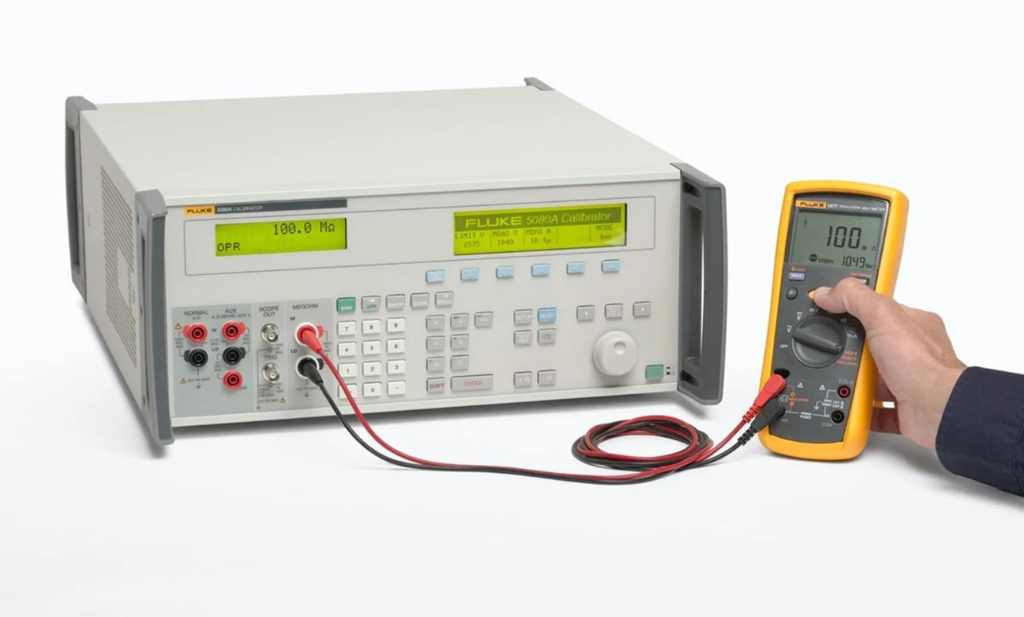
Temperature and relative humidity are important environmental factors in a laboratory. These variables can have a significant impact on the performance and accuracy of laboratory equipment, resulting in damage, degradation, and malfunctions that can affect test results reproducibility. In this blog post, we’ll look at how temperature and relative humidity affect lab equipment and how to keep optimal conditions for scientific research.

Temperature

Temperature has a variety of effects on the performance and accuracy of laboratory equipment. High temperatures can damage components, increase the risk of overheating, and degrade sample quality. Low temperatures, on the other hand, can cause materials to become brittle, increase viscosity, and impair the performance of electronic components.

The following are some examples of temperature effects on laboratory equipment:

  • Thermal expansion and contraction cause component misalignment or damage.
  • Material property changes that affect measurement accuracy
  • Overheating is more likely, resulting in equipment failure or damage.

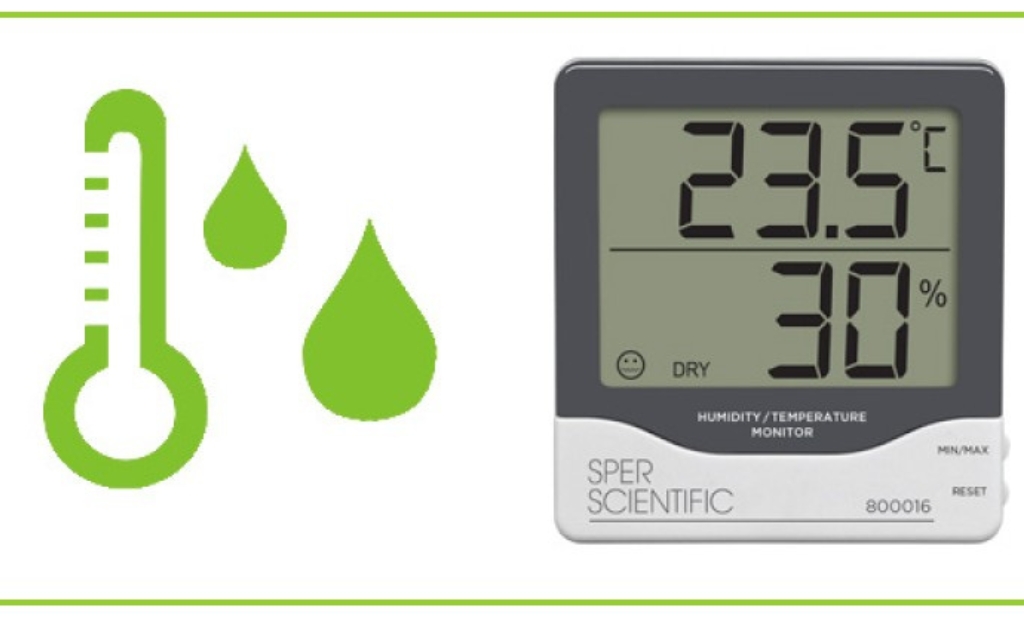
It is critical to have a controlled HVAC system that provides a stable temperature range within the laboratory in order to maintain optimal temperature conditions for lab equipment. Temperature monitoring should be done on a regular basis to avoid fluctuations that can affect the accuracy of test results. Additionally, equipment should be calibrated on a regular basis to ensure that it is operating within its optimal temperature range and to prevent damage.

Relative Humidity

Another critical factor influencing lab equipment performance is relative humidity. High humidity can cause corrosion, rust, and equipment component damage. It can also cause moisture buildup, which can lead to the growth of mold and bacteria, lowering the accuracy of test results. Electrostatic discharge can be caused by low humidity, which can damage sensitive electronic equipment.

Some examples of the effects of relative humidity on lab equipment include:

  • Metal component corrosion and rust, affecting performance and accuracy
  • Mold and bacteria growth, affecting the accuracy and reliability of test results
  • Electrostatic discharge can cause sensitive electronic components to fail.

It is critical to have a controlled HVAC system that provides stable humidity levels within the laboratory to maintain optimal relative humidity conditions for lab equipment. Humidity levels should be monitored on a regular basis to avoid fluctuations that can affect the accuracy of test results. Furthermore, equipment should be stored in a dry environment and inspected on a regular basis for signs of corrosion or damage.

Conclusion

Temperature and relative humidity are critical factors influencing lab equipment performance and accuracy. Changes in these variables can result in damage, degradation, and malfunctions, all of which can have an impact on the reproducibility of test results. It is critical to have a controlled HVAC system with regular temperature and humidity monitoring to ensure optimal conditions for scientific research. Regular equipment maintenance and calibration can also help to prevent damage and maintain accuracy. Labs can ensure the quality and reliability of their research results by taking temperature and relative humidity into account.

Call us to discuss your calibration, test or repair needs at:
713.944.3139.

Request for Calibration Quote

Request for PPE/Glove Testing Quote
Importance Of Turnaround Times In Calibration Services

by gcc-admin-alpha

Finding the proper Calibration Service Provider has become even more crucial and necessary in an ever-changing environment where precision production has become the new normal. How do I know when to calibrate my equipment and devices, and where should I ship them, is a growing concern. This topic becomes much more relevant when you consider the expense of downtime caused by a lack of the equipment and instruments essential for your production process.

Choosing The Best Fit For Your Calibration Requirements

When selecting a Calibration Service Company, it is critical to inquire about their turnaround time for serviced equipment. Many times, you may send your tools and instruments out and wait up to a month or more for them to be returned. When trying to satisfy today’s high production demands, very few manufacturers can remain without a tool or instrument for that length of time.

Importance of Calibrating Tools and Instruments

Today’s industrial demands may force you to postpone your calibration needs or simply not have your equipment and instruments calibrated in order to meet your customers’ demanding timetables. Avoiding calibration periods for precision manufacturing equipment and instruments may be exceedingly expensive, even more so than the downtime associated with sending them out for calibration services. Precision production using out-of-calibration equipment and instruments can result in costly recalls, angry customers, and violations of your quality control processes.

Fast Calibration Service Turnaround Times

Gulf Coast Calibration takes pride in aiming to achieve the quickest lab calibration turnaround times for calibrated devices. We strive for a 5-business-day turnaround time for calibration services after receiving your gages. We frequently surpass this goal with turnaround times as short as three days, and we provide expedited services for an extra fee.

Calibration Services We Offer

  • Local pick-up and delivery services
  • Shipping and receiving services
  • Mobile services for calibration at your facility
  • Customer drop-off and pick-up services

Gulf Coast Calibration | Slider2

When you use our pick-up and delivery services, you can be certain that our professional drivers will keep your equipment secure and orderly. We transport them to our calibration lab and perform the necessary calibration procedures.

When you ship your instrument to us, we receive it and, in many cases, transport it to our accredited lab the same day. In our calibration lab, we then apply the necessary calibration procedure. Typically, the instrument calibration may be done in 1 to 3 business days and returned to our customer via the customer’s preferred delivery method.

Call us to discuss your calibration, test or repair needs at:
713.944.3139.

Request for Calibration Quote
Request for PPE/Glove Testing Quote

The Benefits of Regular Calibration

by gcc-admin-alpha

The Benefits of Regular Calibration

Calibration is the process of standardizing or adapting measurement equipment to obtain more accurate results. It is essential to calibrate your equipment regularly to ensure that it is accurate and reliable. In this blog post, we will discuss the benefits of regular calibration.

1. Improved Accuracy

Over time, the accuracy of any measuring device will begin to decline. Typically, this reduction in accuracy is due to normal wear and tear of the various components but may also be due to a harmful environment or mechanical or electrical shock. The attenuation factor of the measurement equipment may vary depending on the environment and type. Due to this decline in measurement accuracy, organizations with measurement equipment prefer to calibrate on a regular basis. By calibrating your equipment, you are giving it the accuracy it needs to do its job properly.

2. Increased Safety

When you use calibration equipment for critical processes, safety is paramount. Even minor inaccuracies can cause the device to malfunction or give false information about how safe something is, leading to injury or damage to the equipment. Regular calibration of the equipment enables accurate measurements to be obtained and hazardous situations to be avoided.

3. Cost Savings

Calibration can help you save money in the long run. By calibrating your equipment regularly, you can identify potential problems before they become major issues. This can help you avoid costly repairs or replacements down the line. Additionally, calibration can help you reduce waste and improve efficiency, which can lead to significant cost savings.

4. Compliance with Regulations

Many industries have regulations that require equipment to be calibrated regularly. By calibrating your equipment, you can ensure that you are in compliance with these regulations. This can help you avoid fines and other penalties.

5. Improved Product Quality

Calibration of the measuring devices ensures that a high level of product quality is maintained. The reason for calibrating the hardware is reliability. When you calibrate your instruments regularly, you know your measuring device is accurate and will read your command according to other measuring devices. Calibration is essential if you care about the accuracy and consistency of your measuring instruments.

In conclusion, regular calibration of your equipment is essential to ensure that it is accurate, reliable, and safe. It can help you save money, improve product quality, and ensure compliance with regulations. If you need help with calibration, Gulf Coast Calibration (GCC) can help.ย GCC provides calibration services for a wide range of equipment, including electrical, mechanical, and dimensional equipment1

1:ย Gulf Coast Calibration (GCC)ย provides calibration services for a wide range of equipment, including electrical, mechanical, and dimensional equipment.

Request for Calibration Quote
Request for PPE/Glove Testing Quote

How to Ensure the Safety and Accuracy of Your Hot Sticks

by gcc-admin-alpha

Hot Sticksย Safety and Accuracy

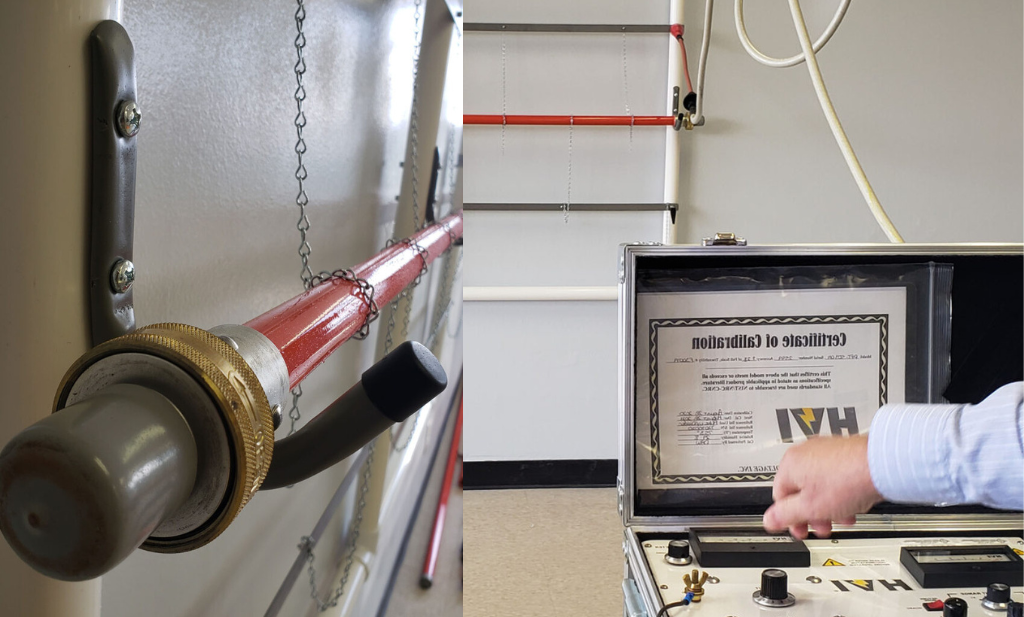
Hot sticks are essential tools for electric utility workers who perform live-line work on energized high-voltage power lines. They are insulated poles, usually made of fiberglass, that allow workers to operate various devices on the line without exposing themselves to electric shock. However, hot sticks are not immune to damage, wear and tear, or environmental factors that can compromise their insulation and mechanical properties. Therefore, it is crucial to inspect, test, and calibrate your hot sticks regularly to ensure their safety and accuracy.

Inspection

Before using a hot stick, you should always inspect it visually for any signs of damage, such as cracks, chips, dents, burns, or contamination. You should also check the hardware, such as nuts, bolts, clamps, and springs, for any looseness, corrosion, or deformation. If you find any defects, you should not use the hot stick and report it to your supervisor for repair or replacement.

You should also inspect your hot stick after each use and clean it with a mild detergent and water. You should avoid using any solvents, abrasives, or harsh chemicals that can damage the fiberglass or the protective coating. You should also store your hot stick in a dry and cool place, away from direct sunlight, heat sources, or sharp objects.

Testing

In addition to visual inspection, you should also test your hot stick periodically for its electrical and mechanical performance. Electrical testing involves applying a high voltage to the hot stick and measuring the leakage current or the dielectric strength. Mechanical testing involves applying a bending or tensile force to the hot stick and measuring the deflection or the breaking point.

There are different standards and methods for testing hot sticks, depending on the type, length, and application of the tool. For example, ASTM F711 specifies the requirements for hot sticks used in electric power generation, transmission, and distribution. OSHA 1910.269 specifies the safety practices for workers who perform live-line work. You should follow the relevant standards and methods for your hot stick and use the appropriate equipment and procedures for testing.

Calibration

Calibration is the process of comparing the output or the measurement of a hot stick to a known standard and adjusting it if necessary. Calibration ensures that your hot stick is accurate and reliable for its intended use. For example, if you use a hot stick to measure voltage, current, or resistance on a power line, you need to calibrate it against a reference meter or a traceable source.

Calibration should be performed by a qualified and accredited calibration laboratory, such as Gulf Coast Calibration, that has the expertise and the equipment to calibrate your hot stick according to the industry standards and specifications. You should calibrate your hot stick at least once a year or more frequently, depending on the frequency and the severity of use, the environmental conditions, or the manufacturerโ€™s recommendations.

Conclusion

Hot sticks are vital tools for electric utility workers who perform live-line work on energized high-voltage power lines. They provide insulation and mechanical strength to protect workers from electric shock and to operate various devices on the line. However, hot sticks can deteriorate over time and lose their safety and accuracy. Therefore, it is essential to inspect, test, and calibrate your hot sticks regularly to ensure their optimal performance and reliability.

Let Gulf Coast Manage Your Calibration Schedule.

If you need professional and quality calibration services for your hot sticks or other electrical tools, contact Gulf Coast Calibration today. We are an ISO 17025 accredited calibration laboratory that offers a wide range of calibration and testing services for electrical, temperature, pressure, dimensional, and other instruments. We have state-of-the-art equipment and experienced technicians who can calibrate your hot sticks and other tools according to the industry standards and specifications. We also offer fast turnaround times, competitive prices, and excellent customer service. Contact us today and get 10% off your first calibration or testing service with us!

Call us to discuss your calibration, test or repair needs at:
713.944.3139.

Request for Calibration Quote
Request for PPE/Glove Testing Quote
The Importance of Calibrating Your Pressure Gauge

by gcc-admin-alpha

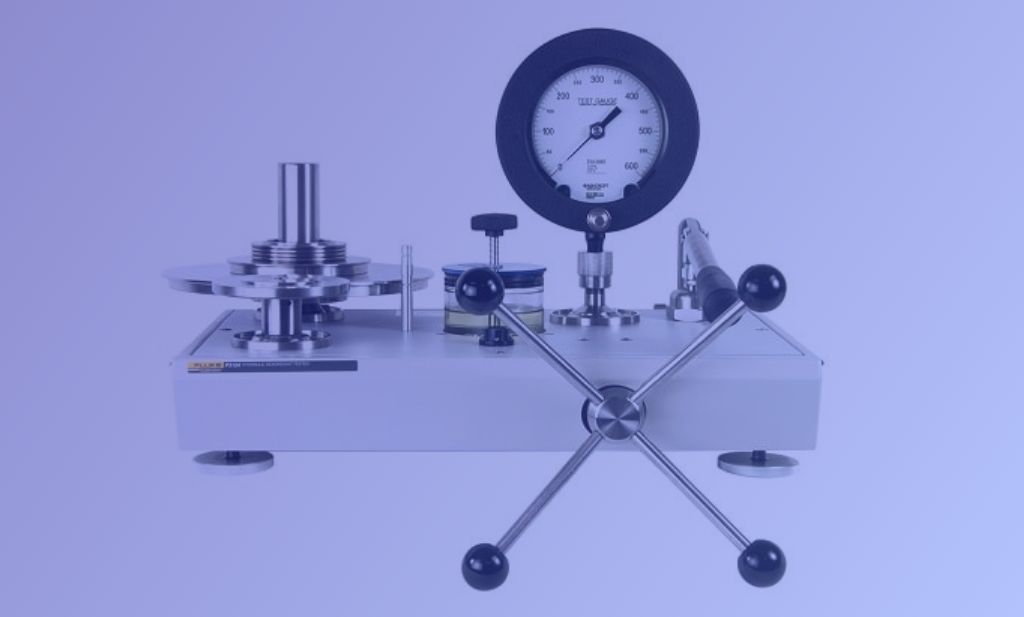
In industrial settings, a pressure gauge is one of the most essential instruments used to measure and monitor pressure levels in various applications, from manufacturing and HVAC systems to oil and gas pipelines. Ensuring that your pressure gauge is accurate isnโ€™t just a matter of operational efficiency itโ€™s a critical factor in maintaining safety, regulatory compliance, and cost-effectiveness.

At Gulf Coast Calibration, we specialize in precise calibration services, helping businesses maintain the accuracy of their equipment and ensure optimal performance. In this post, weโ€™ll dive into the importance of calibrating your pressure gauge and the value it brings to your operations.

1. Safety Comes First

Pressure gauges are often used in high-stakes environments where even a small deviation from true pressure readings could lead to dangerous conditions. A miscalibrated gauge might display incorrect information, potentially leading to an unsafe increase in pressure. Regular calibration ensures that readings are accurate, helping prevent incidents like equipment failure, leaks, or even explosions, which can endanger personnel and damage facilities.

2. Maintaining Compliance with Industry Standards

Many industries, including oil and gas, pharmaceuticals, food processing, and manufacturing, must adhere to strict regulatory standards for safety and quality. Regulatory bodies such as OSHA, ISO, and ASME often require routine calibration of pressure gauges as part of compliance protocols. By calibrating your gauges with Gulf Coast Calibration, you can be confident that you meet industry standards and regulatory requirements, avoiding potential fines or operational shutdowns.

3. Ensuring Operational Efficiency

Even a slight inaccuracy in your pressure readings can lead to inefficiencies in your systems. For instance, in manufacturing, incorrect pressure can cause production inconsistencies, resulting in product defects or wasted materials. Regular calibration ensures your gauge is operating precisely as intended, optimizing the efficiency of your processes and minimizing waste. This level of precision is particularly important for industries with tight tolerances or sensitive pressure requirements.

4. Prolonging Equipment Life

When pressure gauges provide accurate readings, systems are less likely to be subjected to stress, overpressure, or misapplication. By keeping pressure levels within their ideal range, you reduce the wear and tear on equipment and prevent premature failures. Investing in regular calibration can ultimately extend the life of your equipment, reducing repair and replacement costs over time.

5. Cost Savings in the Long Run

At first glance, calibration might seem like an added expense, but in the long run, it actually saves money. Accurate gauges reduce the risk of accidents, operational inefficiencies, and equipment damage all of which can be costly to address. By regularly calibrating your pressure gauges, you avoid these unexpected expenses and keep operations running smoothly

6. Building Trust with Your Customers

In industries where products are directly impacted by pressure (such as in pharmaceuticals, food and beverage, or chemical manufacturing), an accurate pressure gauge contributes to consistent quality. When your customers know that you prioritize precision and safety by calibrating your equipment regularly, you build trust in your brand and your products.

When Should You Calibrate Your Pressure Gauge?

The frequency of calibration depends on a few factors: the industry standards in your field, the sensitivity and type of gauge, and environmental conditions. At Gulf Coast Calibration, we recommend that gauges be calibrated at least annually, but high-precision or high-use applications might require calibration every six months or even quarterly.

Why Choose Gulf Coast Calibration?

At Gulf Coast Calibration, we understand the unique demands of pressure gauge calibration. Our team of experts brings precision and reliability to every calibration project, ensuring that your gauges are accurate and dependable. We offer on-site calibration services tailored to fit your schedule, minimizing downtime while maintaining accuracy.

Call us to discuss your calibration, test or repair needs at:
713.944.3139.

Request for Calibration Quote
Request for PPE/Glove Testing Quote
How Downtime from Poor Calibration Affects Your Bottom Line

by gcc-admin-alpha

In todayโ€™s competitive manufacturing and laboratory environments, downtime is one of the most expensive challenges organizations face. Every minute of halted production or testing means lost revenue, wasted labor, and delayed delivery schedules. While many factors contribute to downtime, one that is often overlooked is poor or neglected equipment calibration.

For engineers, quality managers, and laboratory technicians, understanding how calibration directly impacts productivity and profitability is essential.

The Hidden Cost of Poor Calibration

When instruments drift out of tolerance, the immediate risk is inaccurate measurements. However, the broader consequence is operational disruption. Poor calibration can lead to:

  • Product Recalls and Rework โ€“ Out-of-spec measurements often mean entire batches must be re-tested or scrapped.

  • Safety Incidents โ€“ Equipment failures caused by inaccurate readings can halt operations while safety investigations are conducted.

  • Unplanned Maintenance โ€“ Miscalibrated tools stress systems and equipment, leading to breakdowns and costly emergency repairs.

  • Regulatory Non-Compliance โ€“ Failed audits due to missing or invalid calibration records can shut down production until issues are resolved.

Each of these scenarios results in downtime that eats into your bottom line.

Downtime in Dollars: The Real Impact

The true cost of downtime extends far beyond lost production time. Consider the ripple effects:

  • Direct Financial Losses โ€“ Manufacturing downtime can cost thousands to hundreds of thousands of dollars per hour, depending on industry.

  • Labor Inefficiency โ€“ Technicians and operators sit idle or repeat work, raising labor costs without producing value.

  • Customer Dissatisfaction โ€“ Delayed orders damage trust and can lead to lost contracts.

  • Increased Liability โ€“ Safety risks and compliance violations expose companies to penalties or legal costs.

By neglecting calibration, companies trade short-term cost savings for long-term financial losses.

How Calibration Minimizes Downtime

A proactive calibration program is one of the most effective strategies to reduce downtime and safeguard profitability. Partnering with an accredited calibration provider ensures:

1. Accurate Measurements

Minimizes rework, rejects, and costly quality escapes.

2. Preventive Maintenance

Detects equipment drift early, preventing failures that could halt production.

3. Compliance Assurance

Ensures audit readiness with traceable calibration certificates that satisfy ISO/IEC 17025 and regulatory standards.

4. Operational Confidence

When technicians trust their instruments, workflow efficiency improves and production stays on schedule.

FAQs: Calibration and Downtime

Q: How does calibration directly reduce downtime?
By ensuring instruments stay within tolerance, calibration prevents errors that lead to rework, equipment damage, or failed auditsโ€”all of which cause costly stoppages.

Q: Isnโ€™t calibration more expensive than downtime?
No. Calibration is a fraction of the cost compared to lost production hours, rework, or fines from compliance failures.

Q: Can calibration schedules be optimized to reduce downtime further?
Yes. A data-driven approach, based on equipment history and usage, can balance calibration frequency with operational efficiency.

Conclusion: Protect Your Bottom Line with Calibration

Downtime caused by poor calibration is one of the most preventable drains on profitability. By maintaining accurate, traceable, and compliant equipment, businesses protect not only product quality and workplace safety but also their financial health.

Investing in calibration today means fewer disruptions, smoother operations, and a stronger bottom line tomorrow.

Call us to discuss your calibration, test or repair needs at:
713.944.3139.

Request for Calibration Quote
Request for PPE/Glove Testing Quote
How Often Should Equipment Be Calibrated?

by gcc-admin-alpha

How Often Should Equipment Be Calibrated?

In industries where precision and safety are critical, calibration is not optionalโ€”itโ€™s essential. Engineers, quality managers, and laboratory technicians know that equipment accuracy directly impacts both product quality and workplace safety. But one of the most common questions is: How often should equipment be calibrated?

The answer is not one-size-fits-all. Calibration intervals depend on several factors, including equipment type, usage, environment, and compliance requirements. In this article, weโ€™ll break down the key considerations to help you set the right calibration schedule.

At Gulf Coast Calibration, we specialize in precise calibration services, helping businesses maintain the accuracy of their equipment and ensure optimal performance. In this post, weโ€™ll dive into the importance of calibrating your pressure gauge and the value it brings to your operations.

Why Calibration Frequency Matters

Calibration is the process of comparing a measurement instrument against a traceable reference standard to verify accuracy. Over time, instruments naturally drift out of tolerance. Without regular calibration:

  • Safety risks increase due to inaccurate readings.

  • Products may fail quality standards.

  • Compliance with ISO/IEC 17025 and regulatory requirements may be compromised.

  • Costs rise from rework, downtime, or defective batches.

A well-defined calibration schedule ensures equipment reliability, workplace safety, and regulatory compliance.

Factors That Determine Calibration Frequency

1. Manufacturer Recommendations

Most equipment comes with a recommended calibration interval. For many instruments, this is annually, but some sensitive devices may require more frequent checks.

2. Industry Standards & Compliance

Certain industries are bound by strict regulations:

  • Pharmaceuticals and healthcare โ€“ often require 6-month calibration cycles.

  • Aerospace and automotive โ€“ adhere to ISO/IEC 17025 or IATF 16949 requirements, typically annual or semi-annual.

  • Food and beverage โ€“ may follow HACCP guidelines for regular verification.

3. Equipment Usage

  • High-frequency usage โ†’ more wear and faster drift.

  • Critical safety applications โ†’ require shorter intervals.

  • Backup or rarely used equipment โ†’ may extend calibration cycles, but still need periodic verification.

4. Environmental Conditions

Harsh environments (temperature extremes, humidity, vibration, or chemical exposure) accelerate instrument drift. Equipment in these conditions should be calibrated more frequently.

5. Past Performance History

Tracking calibration data helps identify instruments that consistently hold accuracy longer. A data-driven approach allows for optimized calibration intervals.

Typical Calibration Intervals

While schedules vary, here are common intervals used across industries:

  • Annually โ€“ Standard for most general-purpose instruments.

  • Semi-Annually โ€“ Common in regulated industries or for high-use equipment.

  • Quarterly or Monthly โ€“ For critical safety tools or instruments exposed to harsh environments.

  • Condition-Based โ€“ Using historical data and monitoring drift trends.

FAQs: Calibration Scheduling

Q: Can I extend calibration intervals if my equipment always passes?
With documented evidence from calibration history, you may justify extended intervals. However, regulatory bodies may still require fixed schedules.

Q: What happens if calibration is overdue?
Instruments that miss calibration cannot be trusted for compliance or safety. They should be removed from service until recalibrated.

Q: Can in-house verification replace professional calibration?
Basic checks can help between calibration cycles, but for traceable, ISO/IEC 17025-compliant calibration, accredited labs are essential.

Conclusion: The Right Interval Protects Safety and Quality

There is no universal rule for how often equipment should be calibrated, but annual calibration remains a baseline standard across most industries. By considering usage, environment, industry requirements, and historical data, organizations can set optimized intervals that maintain accuracy, protect safety, and ensure compliance.

Call us to discuss your calibration, test or repair needs at:
713.944.3139.

Request for Calibration Quote
Request for PPE/Glove Testing Quote

How Calibration Services Improve Workplace Safety

by gcc-admin-alpha

How Calibration Services Improve Safety in the Workplace

In modern manufacturing facilities and laboratories, safety and precision go hand in hand. Engineers, quality managers, and lab technicians all rely on measurement instruments to deliver accurate results. When those instruments drift out of tolerance, the consequences can be more than just operational inefficiencyโ€”they can pose serious safety risks. This is where professional calibration services play a critical role.

By ensuring that equipment is properly calibrated, organizations can minimize hazards, maintain compliance with safety regulations, and protect both employees and end users.

Why Calibration Matters for Workplace Safety

Accurate measurement is the foundation of safe operations. Whether itโ€™s a pressure gauge on a boiler, a torque wrench in automotive assembly, or temperature sensors in pharmaceutical production, properly calibrated instruments ensure:

  • Reliable Readings โ€“ Preventing incorrect measurements that could lead to unsafe conditions.

  • Regulatory Compliance โ€“ Meeting OSHA, ISO, and industry-specific safety standards.

  • Preventive Maintenance โ€“ Identifying equipment drift before it results in equipment failure or workplace accidents.

Without routine calibration, even small deviations can compromise safety protocols.

Common Safety Risks from Uncalibrated Equipment

Uncalibrated instruments can create hidden risks that arenโ€™t obvious until an incident occurs. Some examples include:

  • Electrical Hazards โ€“ Faulty multimeters may give incorrect voltage readings, leading to unsafe maintenance work.

  • Mechanical Failures โ€“ Inaccurate torque tools can cause under- or over-tightening of bolts, resulting in equipment breakdowns.

  • Environmental Risks โ€“ Incorrect gas detection monitors may fail to alert workers to hazardous levels.

  • Quality Defects โ€“ Out-of-tolerance measurements in production can lead to defective products, which may create downstream safety concerns for customers.

These scenarios highlight why calibration is not just about qualityโ€”itโ€™s about protecting people.

How Calibration Services Enhance Safety Programs

Partnering with an accredited calibration provider helps organizations strengthen their workplace safety strategies. Hereโ€™s how:

1. Traceable Accuracy

Calibration services use standards traceable to national and international measurement bodies (NIST, ISO/IEC 17025, etc.), ensuring that readings are consistent and defensible.

2. Documented Compliance

Calibrated instruments come with certificates of calibration, providing documentation that proves compliance during audits and inspections.

3. Reduced Risk of Equipment Failure

Regular calibration identifies performance issues early, reducing the likelihood of unsafe equipment failures.

4. Employee Confidence

Workers can trust the accuracy of their tools, improving confidence in safety protocols and reducing the chance of human error caused by faulty instruments.

FAQs: Calibration and Workplace Safety

Q: How often should equipment be calibrated?
Calibration frequency depends on the instrument type, manufacturer recommendations, usage frequency, and regulatory requirements. Many organizations implement an annual or semi-annual calibration schedule.

Q: Does calibration apply to all industries?
Yes. From aerospace to healthcare, any industry that relies on measurement tools for safety or quality benefits from calibration services.

Q: Is in-house calibration sufficient?
Some basic checks can be done internally, but for traceable accuracy and compliance with ISO/IEC 17025, working with an accredited calibration laboratory is strongly recommended.

Conclusion: Safety Starts with Accuracy

Workplace safety depends on the accuracy and reliability of the tools engineers, technicians, and operators use every day. Calibration services not only keep equipment performing within specifications but also safeguard employees, maintain compliance, and protect end users from harm.

Call us to discuss your calibration, test or repair needs at:
713.944.3139.

Request for Calibration Quote
Request for PPE/Glove Testing Quote
Top 5 Signs Your Equipment Needs Calibration Now

by gcc-admin-alpha

In industries where precision is paramountโ€”like manufacturing, energy, aerospace, and healthcareโ€”calibration is not just a best practice; itโ€™s a necessity. Over time, even the most reliable instruments can drift out of spec due to wear, environmental changes, or frequent use. This can lead to inaccuracies, safety risks, and compliance issues.

At Gulf Coast Calibration, we help businesses ensure their equipment performs at peak accuracy. If you’re unsure whether it’s time for recalibration, here are the Top 5 Signs Your Equipment Needs Calibration Now:

1. Inconsistent Measurements

Are you noticing erratic or fluctuating readings? Instruments that give different results under the same conditions are waving a red flag. Inconsistent outputs can stem from internal component degradation or environmental stress and should be addressed before quality or safety is compromised.

2. Failed Quality Control Checks

When your product or process fails a QC check, the instrument may be to blame. If youโ€™re repeatedly adjusting processes to match expected outputs, chances are your equipment is no longer measuring accurately. Routine calibration helps you identify these issues before they snowball into costly errors.

3. Equipment Hasn’t Been Calibrated in Over a Year

Most equipment should be calibrated at least once a year or more frequently if used heavily or in critical operations. If your instruments haven’t been serviced in 12 months or more, you’re overdue. Waiting too long increases the risk of undetected drift affecting performance.

This increased variation can result in mean values for the calibrators that vary by several mOsm/kg H2O from what they should be, erroneously shifting the calibration curve, resulting in increased errors for all results.

4. After Repairs or Relocation

Any time a piece of equipment is moved or repaired, recalibration is essential. Physical impacts, vibrations, or even environmental changes during transport can throw sensitive instruments out of alignment. Donโ€™t assume itโ€™s “still good”โ€”verify it.

5. Compliance Requirements Are At Risk

Many industries are governed by strict regulations (ISO, FDA, NIST, etc.). Failing to calibrate on schedule can lead to audits, fines, or worse loss of certification. If you’re due for a compliance review and haven’t checked your calibration certificates, nowโ€™s the time.

Don’t Waitโ€”Calibrate

Ignoring the signs can result in wasted materials, production delays, safety hazards, or regulatory violations. With Gulf Coast Calibrationโ€™s certified technicians and NIST-traceable standards, we ensure your instruments are accurate, compliant, and dependable.

Need calibration services now?
Contact us today or call 713.944.3139. to schedule your on-site or in-lab calibration.

Request for Calibration Quote
Request for PPE/Glove Testing Quote
The Importance of Surface Plate Calibration: Ensuring Precision and Accuracy in Your Measurements

by gcc-admin-alpha

The Importance of Surface Plate Calibration: Ensuring Precision and Accuracy in Your Measurements

Surface plates are essential tools in manufacturing and inspection processes, providing a stable, flat reference surface for measuring and inspecting parts and assemblies. At Gulf Coast Calibration, we understand that the precision of your measurements depends significantly on the accuracy of your surface plates. In this blog post, weโ€™ll explore the significance of surface plate calibration, the benefits it provides, and the steps involved in the calibration process.

Why Surface Plate Calibration Matters

Surface plates are used in a variety of applications, from quality control and dimensional measurement to assembly and layout work. Hereโ€™s why maintaining their accuracy through regular calibration is crucial:

1. Ensuring Measurement Accuracy

Surface plates provide a reference surface against which measurements are taken. If the surface plate is not accurately calibrated, even the most precise measuring tools will yield incorrect results. Regular calibration ensures that the surface plate maintains its flatness and accuracy, which is essential for reliable measurements.

2. Preventing Production Errors

Inaccurate measurements can lead to defects in manufactured parts, which may result in costly rework, scrap, and delays. By calibrating your surface plates, you minimize the risk of production errors and ensure that parts meet required specifications and tolerances.

3. Maintaining Quality Standards

For industries that adhere to strict quality standards and regulatory requirements, accurate surface plates are a must. Regular calibration helps ensure compliance with industry standards such as ISO 9001, AS9100, and others, demonstrating a commitment to quality and precision.

4. Extending Equipment Life

Surface plates are a significant investment, and maintaining their accuracy through regular calibration can help extend their lifespan. Proper calibration and maintenance reduce wear and tear, ensuring that the surface plate remains a valuable asset for your operation.

The Surface Plate Calibration Process

Calibrating a surface plate involves several steps to verify and adjust its accuracy. Hereโ€™s an overview of the typical calibration process:

1. Inspection and Preparation

Before calibration, the surface plate is inspected for physical damage, contamination, or wear. Any issues must be addressed to ensure accurate calibration results. The surface plate is cleaned and prepared for the calibration procedure.

2. Measurement of Surface Flatness

Using precise measurement equipment, such as a coordinate measuring machine (CMM) or precision leveling instruments, the surface plateโ€™s flatness is assessed. This involves measuring various points across the plate to identify any deviations from the ideal flat surface.

3. Adjustment and Correction

If deviations are found, adjustments are made to the surface plate to correct the flatness. This may involve grinding or resurfacing the plate to bring it back to its specified tolerance. The adjustments are carefully monitored to ensure the surface plate meets the required accuracy.

4. Verification

After adjustments, the surface plate is re-measured to verify that the corrections have achieved the desired flatness. The results are compared to the specified tolerances to ensure that the surface plate is within acceptable limits.

5. Documentation

Detailed records of the calibration process, including measurements, adjustments, and verification results, are documented. This provides a traceable history of the surface plateโ€™s accuracy and compliance with quality standards.

The Gulf Coast Calibration Advantage

At Gulf Coast Calibration, we offer comprehensive surface plate calibration services to ensure that your equipment delivers precise and accurate measurements. Hereโ€™s how we can support your calibration needs:

  • Expert Technicians: Our skilled technicians have the expertise and experience to calibrate surface plates with the highest level of accuracy.
  • State-of-the-Art Equipment: We use advanced measurement tools and techniques to ensure precise calibration results.
  • Comprehensive Reporting: We provide detailed calibration reports and documentation to support quality assurance and compliance efforts.
  • On-Site and Off-Site Services: We offer both on-site and off-site calibration services to accommodate your needs and minimize disruption to your operations.

Conclusion

Surface plate calibration is vital for maintaining measurement accuracy, preventing production errors, and ensuring compliance with quality standards. Regular calibration helps you achieve reliable results, extend the lifespan of your equipment, and uphold the integrity of your manufacturing processes.

At Gulf Coast Calibration, we are dedicated to providing top-quality surface plate calibration services to meet your precision needs. Contact us today to schedule your calibration and ensure that your surface plates continue to perform at their best.

Feel free to reach out for more information or to discuss your calibration requirements. Your commitment to precision starts with accurate calibration, and weโ€™re here to help you achieve it.

Call us to discuss your calibration, test or repair needs at:
713.944.3139.

Request for Calibration Quote
Request for PPE/Glove Testing Quote